


People: Ellen & Frederick Hope
We step back in time to meet the two people who founded the original ‘bug and butterfly’ collection, Ellen Meredith and Frederick William Hope.
Frederick and Ellen were both born near the start of the 1800s. The two young people had a number of shared interests including collecting engravings and learning about nature. What fascinated them the most was entomology – the study of insects. This was to lead to a shared lifetime of learning about them.
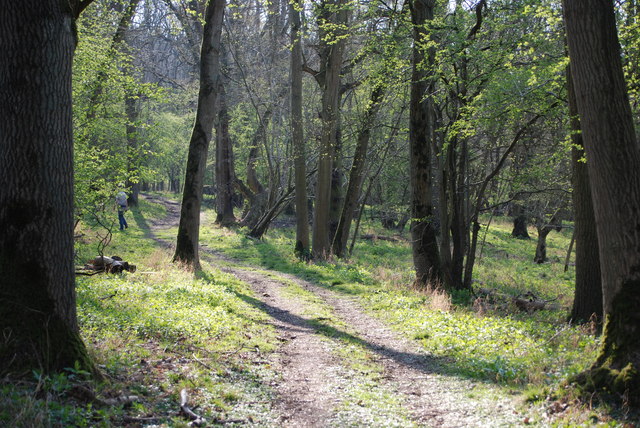
Frederick had become fascinated by wildlife as a student at Christ Church College, Oxford. He had spent a lot of his spare time collecting insects at Shotover Wood, Port Meadow and Wytham Woods. These are still all good places to look for insects today. Ellen had not studied for a degree because at that time women were not allowed to go to university! She didn’t let that get in the way of pursuing her interest. She became as equally knowledgeable as Frederick, and was elected as the first female Fellow of the Royal Entomological Society in 1835.
“A life as the wife of a politician would have been a very dull one indeed.”
In 1833, Ellen had turned down a proposal of marriage from Benjamin Disraeli (who would later become Prime Minister) because “a life as the wife of a politician would have been a very dull one indeed”. Two years later she married Frederick and they set up home together at 37 Upper Seymour Street, Marylebone, in London.
With two avid insect collectors living in the same house, their home rapidly became a small museum! Frederick and Ellen opened their collection to the public on certain days, and it soon became a popular meeting place for entomologists and others interested in natural history. Many famous naturalists became regular visitors, including Charles Darwin.
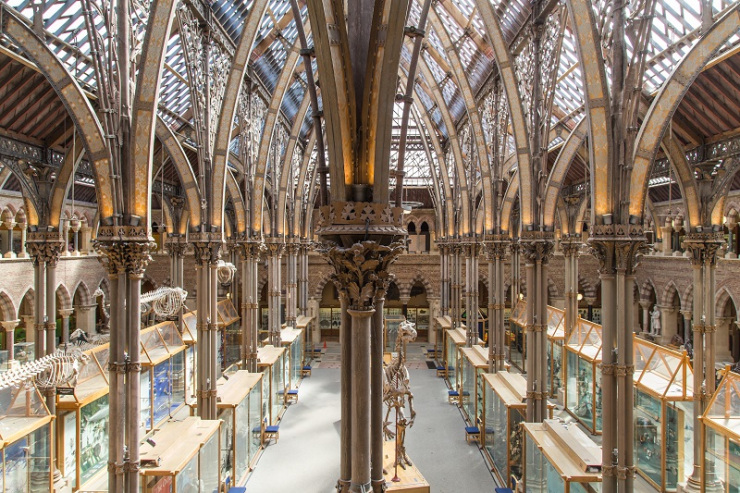
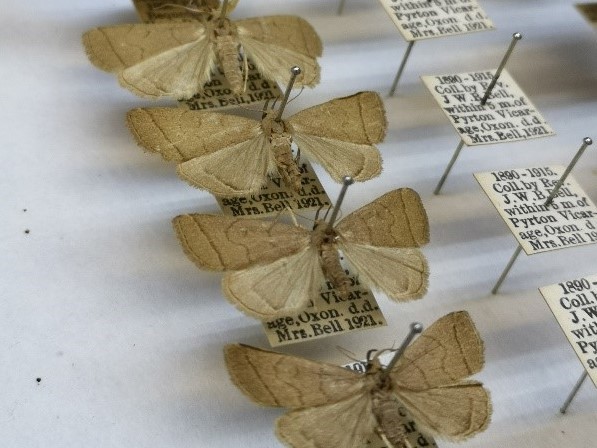
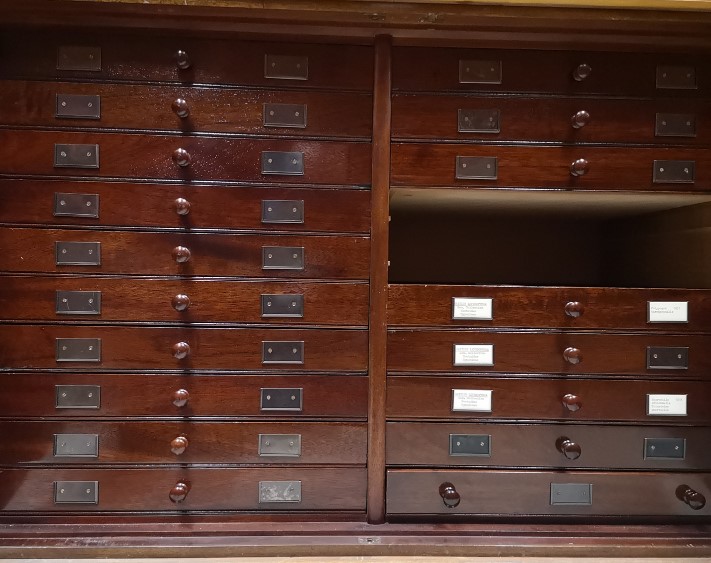
As their collection expanded, they realised that it would eventually outgrow their home. They also wanted to find a way for more people to see and learn about the insects they had collected. In 1849 they offered their entire collection, known fondly as the ‘bug and butterfly’ collection to the University of Oxford. When the Museum of Natural History opened in 1860, it provided a home for the Hope collection, and we have been looking after it ever since.
Sadly, Frederick died in 1862 but Ellen continued to support the Museum as they had done together. She up a £10,000 trust fund to provide for the Keeper of the collection of engravings, the Hope Professor of Zoology, and for the curators of the insect collection, so they could look after and continue to add to it.

Ellen remained actively involved in the Hope collection, donating both money and new insect specimens. Shortly before she died, in 1879, she wrote a stern letter to the university authorities opposing their plan to merge the position of Hope Professor with another job and reminding them that this would break the agreement they had made. She wanted to make sure that the Hope collection would be given the attention it deserved.
The Museum of Natural History will soon install a new Ellen Hope Gallery in the space next to the room that held the original collection. The gallery will look at habitat loss, changes in biodiversity, and the value of museum collections in understanding these changes and their impacts. The insects Ellen and Frederick collected all those years ago, and generations of scientists have added to, will now help us understand how to look after the natural world today and in the future.
If you live in or near Oxford and would like to look for insects in some of the same places Ellen and Frederick did, you could visit these places:
- Shotover Country Park: www.oxford.gov.uk/shotover
- Port Meadow: www.oxford.gov.uk/portmeadow
- Wytham Wood: www.wythamwoods.ox.ac.uk/home
Please check the sites for opening times and rules before you visit.



 Crunchy on the outside