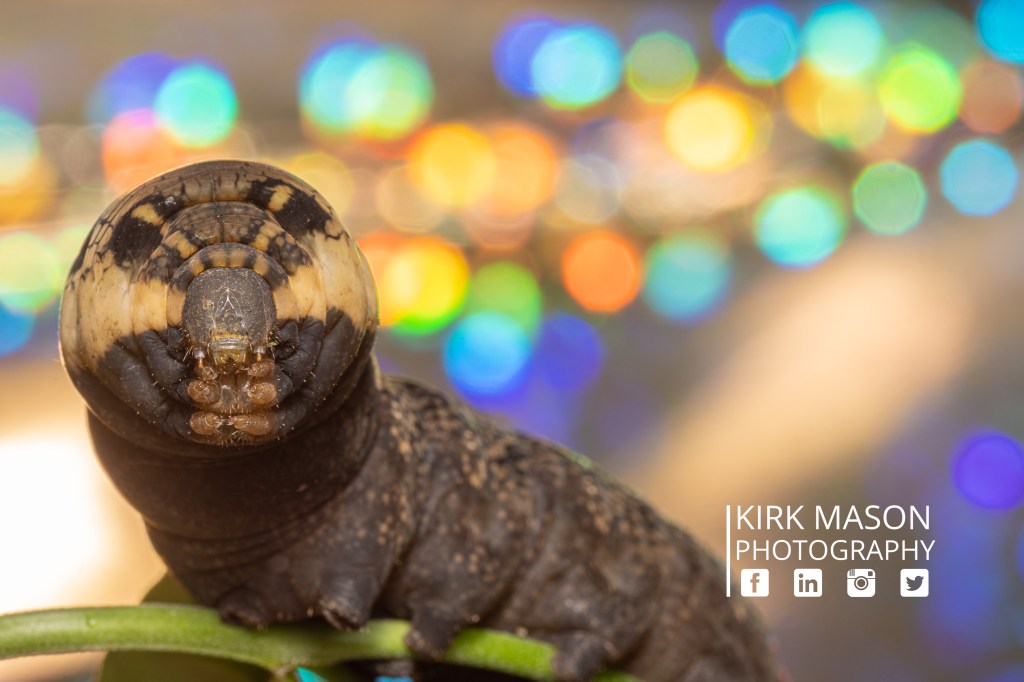
The Delightful December Moth

The December Moth, Poecilocampa populi, is found all over the UK. Because it is more resistant to cold than most other moths, the adults are common in parks, gardens and woodland during late autumn and winter.

Marvellous Moths

Many people don’t give moths a lot of thought. Most have incredible camouflage and they often fly at night, so we don’t tend to see them. When we do think of moths, it may be just as a kind of drab butterfly that sometimes eats our clothes. In reality, there is much more to the world of moths than we might think, and they are very important to our world.

Moths, together with butterflies, belong to the group of insects called the Lepidoptera (“scaly wings”) There are over 2,500 species of moth in the UK and only a very few will eat our clothes. Many of these moths are beautiful, either because of their spectacular colouration or because of the way their camouflage enables them to blend into their habitat.

Moths are important in ecosystems. Both adult moths and their caterpillars play crucial roles in food chains, feeding on plants and being eaten by bats, birds and other animals. It is estimated that about 35 million caterpillars are eaten by blue tit chicks every year! Moths also play a vital part in the reproduction of several plant species because of their role as pollinators.

‘Like a moth to a flame’
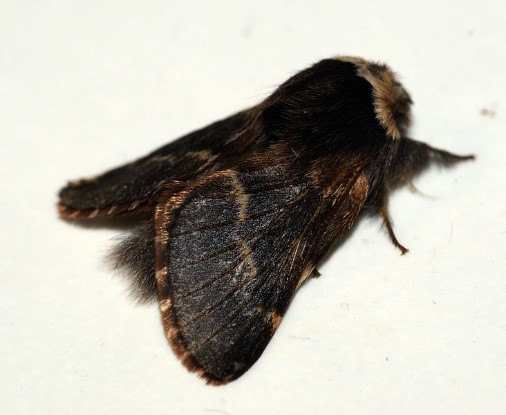
December moth showing black and brown colouration.

Adult December moths are night-flying and, like other moths, they are attracted to light at night. Entomologists are still not sure exactly why this is. One theory is that moths use the moon to navigate and can mistake a light for the moon. Another is that they normally fly with the lighter sky above them and a light source near the ground confuses them into flying downwards. This would explain why they are attracted to street lights and lit windows, and also why they fly downwards into light traps.

December moth, Poecilocampa populi. Photo: Ben Sale CC-BY 2.0

Life Cycle of the December Moth

Larvae and pupae of the December moth
Larvae and pupae of the December Moth in the HOPE Collection at the Museum

While adult December Moths can be found throughout autumn and winter, each individual is short-lived and does not feed. They mate and the females lay their eggs on food plants. The eggs overwinter and the larvae only emerge the following spring. These caterpillars can be found throughout spring and summer taking advantage of the new growth of leaves. They are active voracious feeders at this time and will eat the leaves of a wide range of deciduous trees. When they have gained enough weight, they pupate, with the adult moths emerging to repeat the cycle in late summer and autumn.
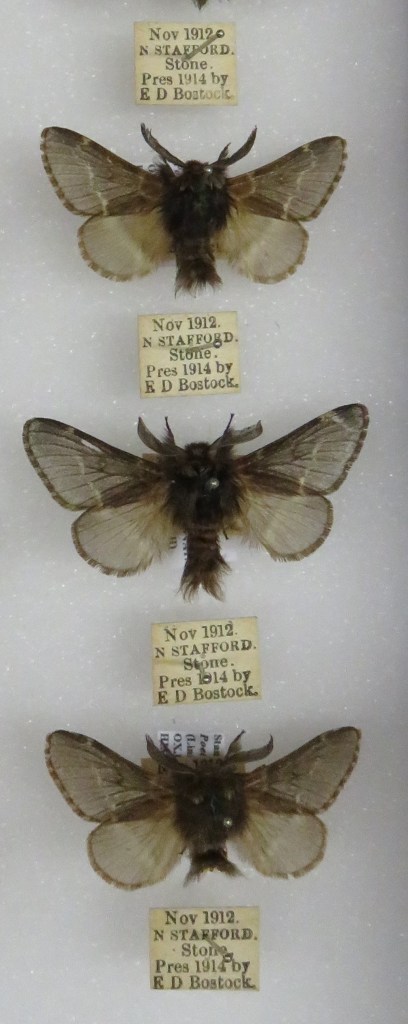
Pinned adult DEcember moths in the HOPE collection.

Moths are important indicator species: their presence tells us about the overall health of the environment.  Unfortunately, what moth populations seem to be telling us is that something is wrong.

Comparing the number and type of moths found in Britain today with those recorded in historic insect collections like the HOPE Collection at the Oxford University Museum of Natural History, shows us that moths have declined by about 40% in southern Britain. Over 60 moth species have become extinct in the UK over the last century and many more are at risk of disappearing forever.

Other animal species which rely on moths as food are also suffering, including a decline in bats flying over farmland and reduced numbers of cuckoos, which specialise in feeding on hairy moth caterpillars which other birds tend to avoid.

We need to do more research to fully understand exactly why moth species are declining in Britain, but it is likely to be because of a combination of factors including loss of habitat, farming practices such as clearing hedgerows and the use of pesticides, and climate change.

Adult December moths in the HOPE Collection

Ways we can help moths

Fortunately, many moth species under threat are found in parks and gardens, so we can all do things to help:

  • Not over-tidying gardens; a more natural look is much better for insects.
  • Growing a wide variety of large and small flowering plants and, if you have room, shrubs and trees.
  • Avoiding the use of weed killers and insecticides.
  • Reducing light pollution from outdoor lights
  • Reducing your carbon footprint, for example, by driving less and walking or cycling more.

If you enjoyed reading about the December Moth, you might like this post by Ben on Raising Poplar Hawk Moths.
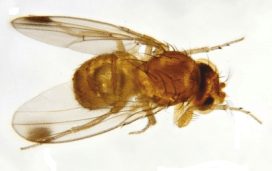
Trapping the Spotted Fruit Fly

The Spotted Wing Fruit Fly, Drosphila suzukii, (known as ‘SWD’ for short) is a small but potentially devastating pest that attacks soft fruits. Here’s how to make a simple trap from a plastic bottle. You can then see if you have caught any fruit flies and send your results to an exciting citizen science project.

Making your Fly Trap

You will need:

  • A large empty clear plastic bottle (perhaps a fizzy drink bottle or squash bottle)
  • Apple cider vinegar (cheapest from a supermarket)
  • Washing-up liquid
  • String
  • Ruler
  • An auger, awl or large nail (2 mm to 3 mm diameter)
  • A magnifying glass OR a low power stereo microscope (OR a camera phone and some honey!)

What to do:

Start by watching this video by Chris Thomas of the Queckett Microscopical Club. It shows each step of making the fruit fly trap.

Step by step Instructions:

  1. This bit needs an adult to help. Carefully pierce 8 holes in the bottle more than half way up, using the augur or nail. Lie the bottle on a table or board. Hold it firmly at the bottom half and gently pierce with a sharp metal point or augur, through the upper side of the bottle towards the board. If the point slips, it should then go safely into the table or board and NOT into your hand. Make the holes 2-3 mm in diameter, to let in small flies. I used a sharp augur to pierce the plastic and then a wider diameter nail to enlarge the hole.
  2. Fill the upright bottle to ¼ to ⅓ with apple cider vinegar. The level must be below the holes!
  3. Add one or two drops of washing-up liquid.
  4. Screw lid back onto plastic bottle.
  5. Use the string to hang your baited trap from a tree/bush/holder at a suitable place.
  6. Leave the trap for one week.
  7. At the end of the week, seal up holes with sellotape.
  8. Swirl bottle gently and carefully pour the fly catch into a white / light coloured plastic dish. (OPTIONAL: strain the fly catch through an old metal tea sieve and then transfer the flies to clean water with a bit of vinegar in it to preserve them.)
  9. Record your results (see below).
  10. At the end of the experiment, wash and flush away the flies and liquid. Wash the plastic bottle thoroughly and recycle it. Don’t forget to wash your hands.

2021 Spotted Fruit Fly Survey

If you have caught some fruit flies, you could send your results to the 2021 Spotted Wing Fruit Fly Survey and help track the spread of this pest across the UK.

Drosophila suzukii on a ripe banana. Image credit: Flickr / Martin Cooper CC BY 2.0

The Spotted Wing Fruit Drosophila (SWD) is a pest in many parts of the world because it causes damage to soft fruits. It was first spotted in the UK in 2012 and this survey aims to find out how far it has spread. Counting and scoring the results from your trap will be really helpful and we will link your results with those from many other people. The more people who contribute, the more we can learn about the biology of this pest.

Fruit flies are small – only a few millimetres long – but can be identified by a couple of key features with a hand lens, low power microscope, or by using a mobile phone camera (see below). The male flies are easily identified by their characteristic wing spot. The females don’t have the wing spot but do have a vicious-looking saw-like egg laying organ (called an ovipositor) at their rear end.

You might like to use your fruit fly trap to catch Spotted Wing Drosophila over a week, count what you have caught and send the results to Chris Thomas of the Quekett Club at bulletin@quekett.org by the end of November.

The Club aims to collate all the results and publish them in the Quekett Journal, mentioning all participants who submit results.

Identification help

How to identify male and female Spotted Fruit Flies. Image credit: © Queckett Microscopical Club
  • Either use a magnifying glass or a low power microscope to magnify the catch. Don’t worry if you don’t have one – watch our video Turn Your Phone into a Microsope.
  • Fruit flies are very small, between 2 mm and 5 mm long. They are quite distinctive.
  • Use the pictures to help you identify the Spotted Winged Drosophila.
  • The male flies are obvious even to the naked eye – they are red-eyed fruit flies with a black spot at the end of the wing. Under magnification, they also have 2 spurs on their forelegs.
  • The female flies are best viewed under 10× to 30× magnification: they have no spots but their saw-like ovipositor (egg-laying organ) can be seen clearly. Once you have seen one, you will never be confused. They also have clear black and yellow bands on their abdomen.

Record your results and send them to the Quekett Club

You should include:

  • Name and address (or just your post code, if you don’t wish to be named as a participant)
  • Date when you emptied the fly trap
  • Total number of ALL insects/creatures in trap
  • Total number of ALL fruit flies
  • Number of male Spotted Wing Drosophila
  • Number of female Spotted Wing Drosophila
  • The Queckett club would love to see pictures of your catch, so please add them too
  • SEND YOUR RESULTS TO  Chris Thomas at bulletin@quekett.org by the end of November.

It’s really important to record and send in ALL results – even if you did not catch anything!

  • If you don’t catch anything, enter ‘Nothing’
  • If there are no Spotted Wing Drosophila, but you see other fruit flies, enter ‘Common Fruit Fly’
  • If you can’t decide if they are males or females, just tell us the total number of SWD

Make sure you send your survey results to Chris Thomas at the Quekett Club, but the team at Crunchy on the Outside would also like to see your fly traps and catches! Let us know how you got on by emailing us at hopelearning@oum.ox.ac.uk or using the Contact Us form.

Spiders: Super, Not Scary!

Related to insects, arachnids are a fascinating group of invertebrates. Several species of spider can be found in and around our home at this time of year, but not everyone welcomes them! Here we take a look at some of these super spiders and why there is no need to be scared.

Most spiders don’t want to come into our homes because they are too warm, too dry and there isn’t enough food (or perhaps they feel the same way about humans as many people do about spiders!). A few species do venture into our dwellings and have probably been associated with us for thousands of years and often perform a useful housekeeping job in reducing the number of flies inside the home.

House Spider (Tegenaria domestica).

The House Spider, Tegenaria domestica.

The House Spider builds a funnel-like web. It sits inside waiting for prey to land on the web, emerging quickly to trap it. Indoors, this is the spider we are likely to find in the bath! Some people feel alarmed by them, but they are completely harmless and will retreat into the plughole (or their funnel web) if they feel threatened. The males are active in the summer so when you see a house spider indoors it will probably be a male looking for a mate. The females usually eat them after mating, so the House Spiders you may find in your home in the late autumn will probably be females which can live for two years or more.

Giant House Spider (Eratigena atrica).

Giant House Spider, Eratigena atrica. Image credit: Ryan Hodnet CC BY-SA 4.0

The Giant House Spider has a similar appearance to the house spider but is larger. Females can grow up to 18mm in body length with a leg span of 45mm. Those long legs enable them to be one of the fastest running spiders: they can move at up to 0.5 m/s (1.2 mph). Their speed of movement can be startling but they are in fact easily outpaced by normal human walking speed (4 mph). They only use their speed for short bursts and the females normally stay within their funnel webs. It’s the males we see out and about in our homes in summer and autumn, looking for mates. Although the mouth parts of these spiders are theoretically capable of piercing human skin, they prefer solitude and to retreat when startled and so only bite rarely when provoked. Their venom cannot harm us.

‘Money Spider’ (Linyphia sp.)

This money sider landed on me while I was writing the article!

‘Money Spiders’ are not a single species. Hundreds of different small spiders are called ‘Money Spiders’. In the UK they usually belong to the Family Linyphidae. They get their common name from a folk saying that if one lands on you it’s lucky because it will spin you some clothes, meaning you will come into some money. If anyone has ever had a garment spun by a spider we’d love to hear about it! Money Spiders often land on us in the summer because they travel through the air on strands of silk, a method called ‘ballooning’. Money Spiders are completely harmless to humans and most go entirely unnoticed by us because they are so small.

Daddy Long Legs Spider (Pholcus phalagiodes)

‘Daddy Long Legs’ Spider (Pholcus sp.), not to be confused with a Crane Fly.

The Daddy Long Legs Spider is also known as the ‘Cellar Spider’. It prefers to spin loose strands of web in corners which it uses to capture prey. It is not to be confused with the Crane Fly, also called a ‘Daddly Long Legs’ in the UK, which is a fly, so has a pair of wings. These spiders will often start vibrating if you come close in an effort to scare you off. Alternatively, they may curl up completely and ‘play dead’. They are completely harmless.

Garden Cross Spider (Araneus diadematus).

Garden Cross Spider, Araneus diademata.

The Garden Cross Spider is usually found in the garden, but sometimes venture into our homes, as shown in the picture. They are large web-spinning spiders. Their webs are usually very noticeable on autumn mornings, revealed by drops of dew sticking to the strands. They can be recognised by the distinctive cross pattern on their back. The body of females can be up to 15mm long, although the males are a lot smaller and so we rarely notice them. Females can often be found protecting a ball of eggs or young spiderlings. They will be defensive of these, but are completely harmless.

Want to know more?

If you enjoyed reading about these house spiders, you might also like this post about the colour-changing Crab Spider.

Have you had any spider encounters at home? We’d love to hear about them! You can get in touch using the Contact Us page.

Wonderful woodlice

Woodlice are not insects but they are definitely crunchy on the outside, so we’re happy to devote some space to this fascinating group of crustaceans in the order Isopoda. Lucas Brooks, who showed us his woodlice at our recent summer school, writes about his own growing colony.

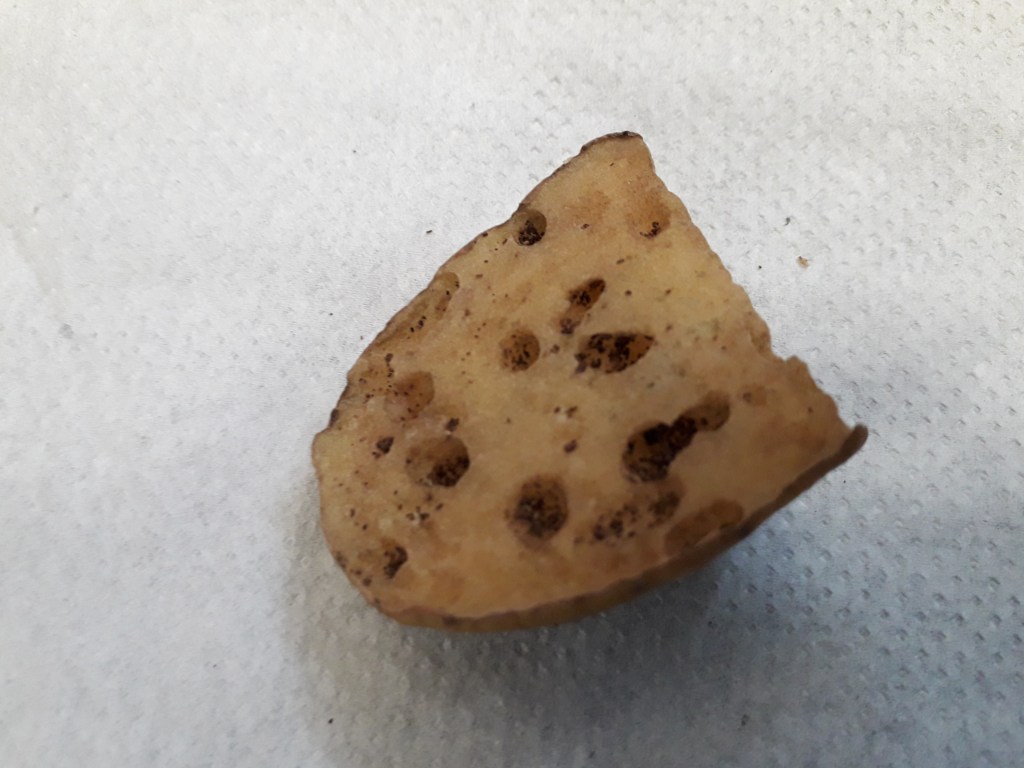
I started a colony of eighteen woodlice I collected from outside my flat.  The woodlice inside the colony appear to consist of a several types (see below). They seem to enjoy eating potatoes more than anything so I have made that their main food source, but they sometimes eat dry leaves and decaying wood. I didn’t expect them to be reproducing so fast so now there are dozens of baby woodlice running around the tank.

Woodlice get their name because they are often found in decaying wood, but Lucas’s love potato too! Image credit: OUMNH / Lucas Brooks

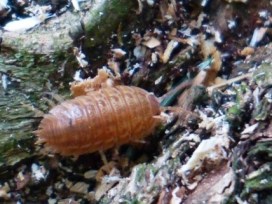
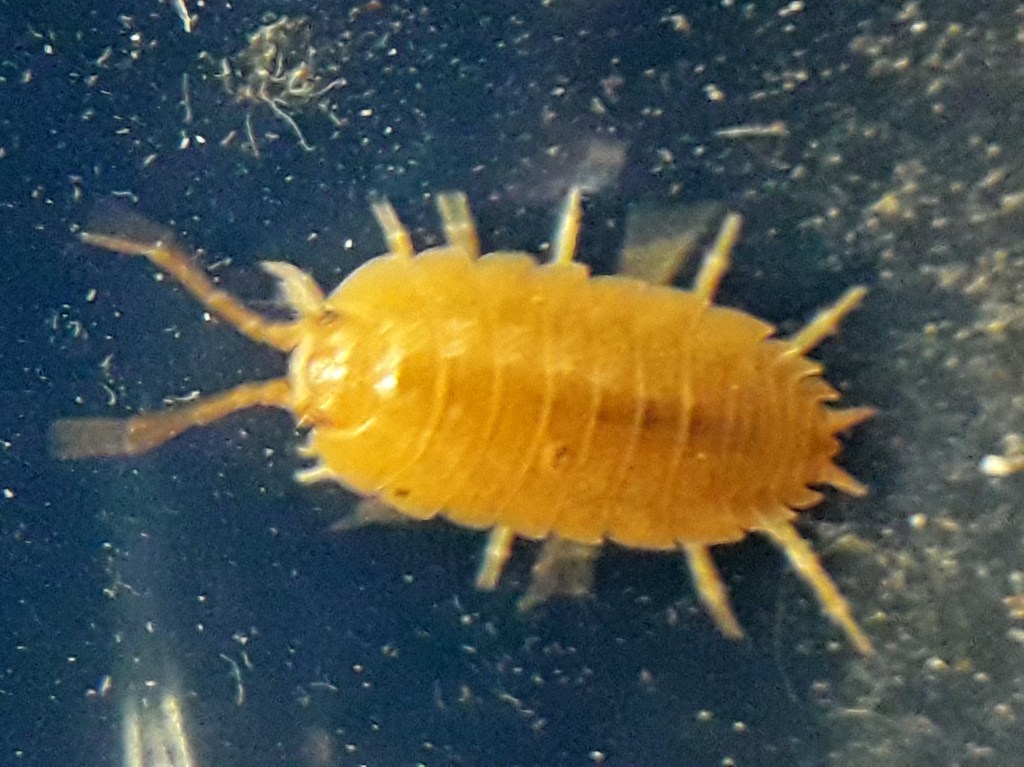
After a few weeks of keeping the wild woodlice, I found out about the orange variants of woodlice which sounded quite interesting. The first ‘’orange woodlouse’’ I got was a common type but with a different colour exoskeleton which is a rusty orange. I then decided to go to my local reptile shop in Kidlington and bought some Giant Orange Woodlice. ‘Giant’ for a woodlouse is up to 18mm. This type of woodlouse seems to hide more, so I don’t see them as often as the other ones. Instead of a rusty colour, these woodlice are pure orange.

An orange woodlouse (Porcellio sp.). Image credit: OUMNH / Lucas Brooks

The reason I am so interested in woodlice is because I never really investigated them before, so it was a fully new experience for me. Plus, the woodlice also being extremely bizarre and intriguing got me into keeping them as pets.

If, like Lucas, you are fascinated by an insect or other invertebrate, please get in touch to let us know! You can write us a message on the Contact Us page.

Types of woodlice

At first glance, all woodlice might look the same but there are in fact hundreds of species in the UK. The one you are most likely to find is the Common Shiny Woodlouse, Oniscus asellus. The last segment of the antennae, called the flagellum, is made up of three segments. They are usually grey but can also have yellow or orange colouration. The Common Rough Woodlouse, Porcellio Scaber, has a flagellum made up of only two segments. Both these woodlice are usually grey but can also have yellowish or orangey colouration. Pill woodlice, such as Armadillium vulgare, also has a flagellum made up of two segments, but their body is more rounded, they are usually black or brown and can roll themselves into a pill-like ball when disturbed.

Bug or Beetle? The Red-legged Shieldbug

Young entomologist Noah Davis shares his discovery of a Red-legged shieldbug (Pentatoma rufipes) he found after it had a narrow escape from a spider’s web.

Whilst out on a trip to Norfolk on Tuesday 17th August, I spontaneously decided to examine the fenceposts on a porch to see what the spiders had caught. It was mainly different species of fly. It was a very rainy day, so I also checked on the bench below a few of the webs in case some had fallen off of the extremely elastic and strong webbing. Some of the heavier prey had fallen off, along with a large, brown, beetle-like insect with a vibrant orange triangle on the centre of its back. My companions and I held a debate on what (or who) it was. Some speculated a stinkbug due to the alarming orange area, and others (quite comically) a camera that was recording, until a quick Google search told us it was a Red-legged Shieldbug.

What is a shieldbug?

The Shieldbugs, which are members of the order hemiptera, or true bugs, are moderately sized insects with sucking mouths and the appearance of a heavily-armoured vehicle (on a miniature scale). Due to the fact that they have armoured backs, they are often mistaken for beetles or stinkbugs. The difference between a shieldbug and a stinkbug is that one makes a pong, the other doesn’t. (The terms ‘stinkbug’ and shieldbug are sometimes used interchageably, but some sheildbugs are stinkier than others because they secrete a pungent fluid when handled! – Ed.).

What does a Red-legged Shieldbug look like?

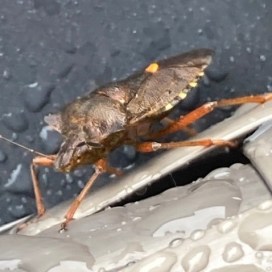
A slightly damp Shieldbug! Image credit: Noah Davis

In short, a shield. Its antennae are long and so is the head segment, and it has a proboscis. It also has broad shoulders with forward-facing forelegs. The next two legs are parallel with the abdomen and the last two are near the end of the abdomen. All the legs are reddish-brown (hence its name) and the whole back is a glossy golden brown. At the tip of the abdomen, there is a notoriously bright orange point, mostly to show predators that it is dangerous (even if it isn’t, but don’t tell the birds that!). Its wings (yes, it can fly) are what forms the point at the end of its back. There are brown and pale banded ridges of fronds at the perimeter of its back. The bug is about 11mm (11/25 inches) in length.

Where are they found?

Shieldbugs are distributed all over the British Isles and continental Europe. They are found near trees or forests.

Bug or Beetle?

Noah and his friends initially thought that their shieldbug looked ‘beetle-like’. There are a couple of ways to tell the difference between true bugs (Order: hemiptera) and beetles (Order: coleoptera). Beetles have chewing mouthparts but in bugs the mouthparts are shaped into a tube, called a rostrum, used to suck liquids. This is often tucked underneath the bug. Beetles have forewings which are hardened to provide a protective covering for the delicate hindwings. When you look at a beetle’s back these make an ‘X’ shape. In shield bugs, the forewings are often thinkened at the base. When you look at at their back, the folded wings make a ‘Y’ shape.

If you would like us to share your story about interesting insect, why not tell us about it? You can get in touch using the Contact Us page, or email us at hopelearning@oum.ox.ac.uk. We’ll need permission from a parent or guardian to use your name.

Fabulous Insect Photos

Wildlife photographer and insect enthusiast Kirk Mason shares his top tips for taking fabulous insect photos, whatever camera you have.

Well done to everyone that came to the Summer School photography workshop. I was blown away with your photographs, videos and knowledge of insects – well done!

Let’s recap on some handy hints to improve your photography.

1. Getting down to the eye level of insects.

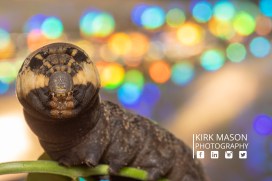
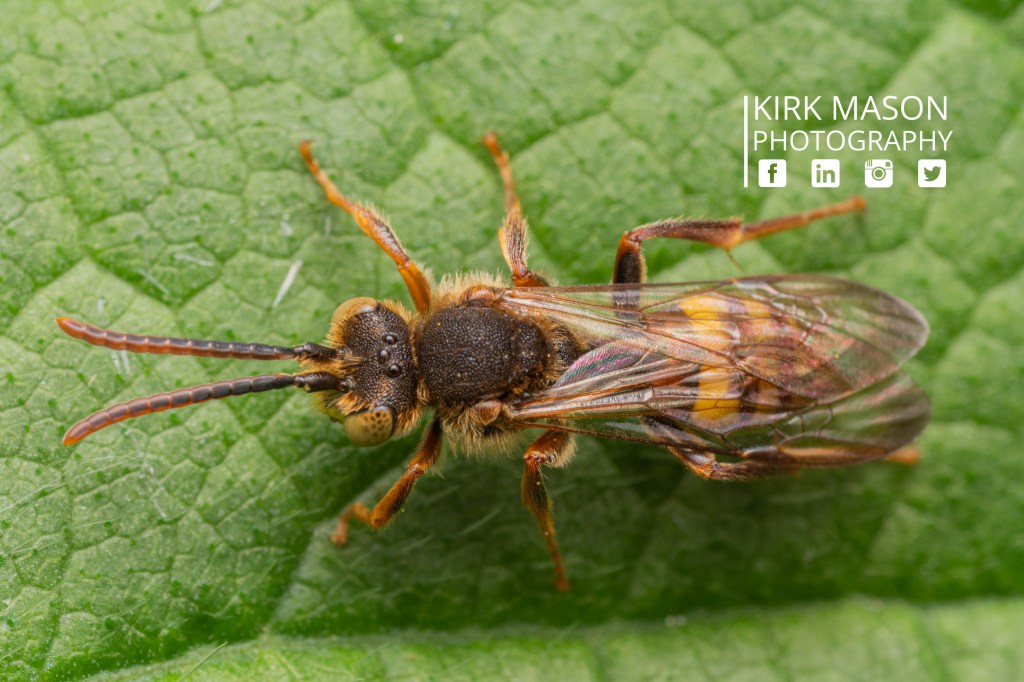
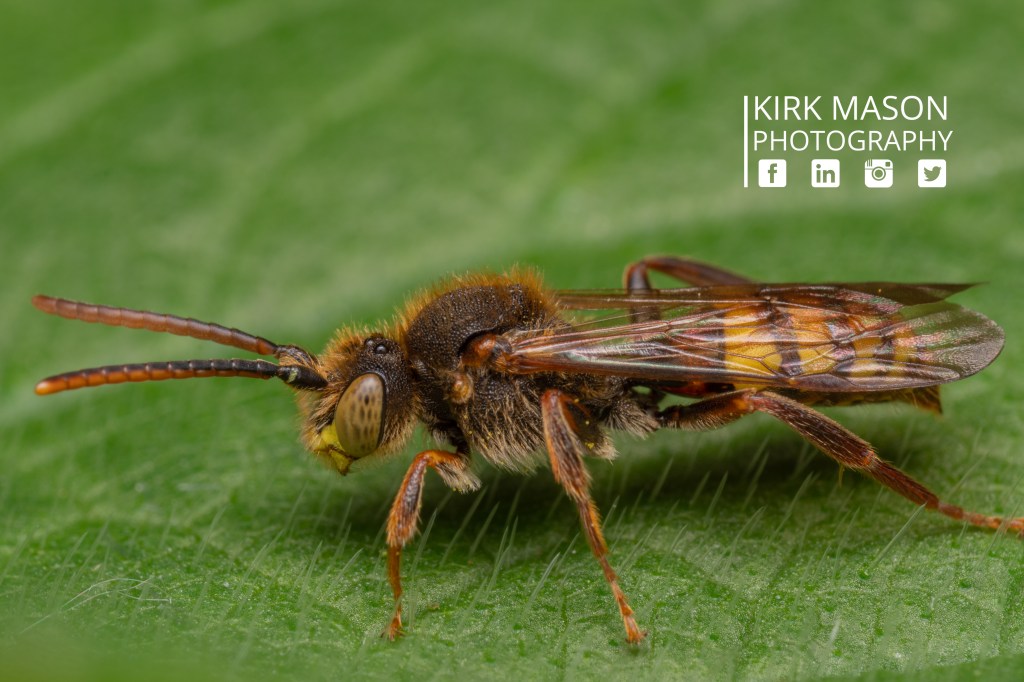
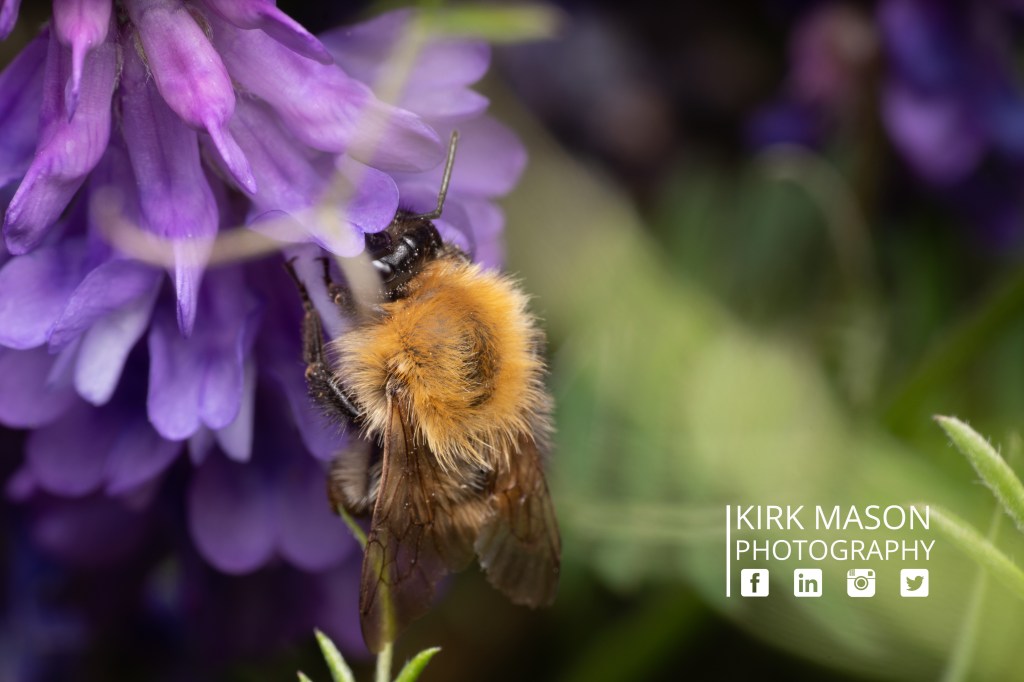
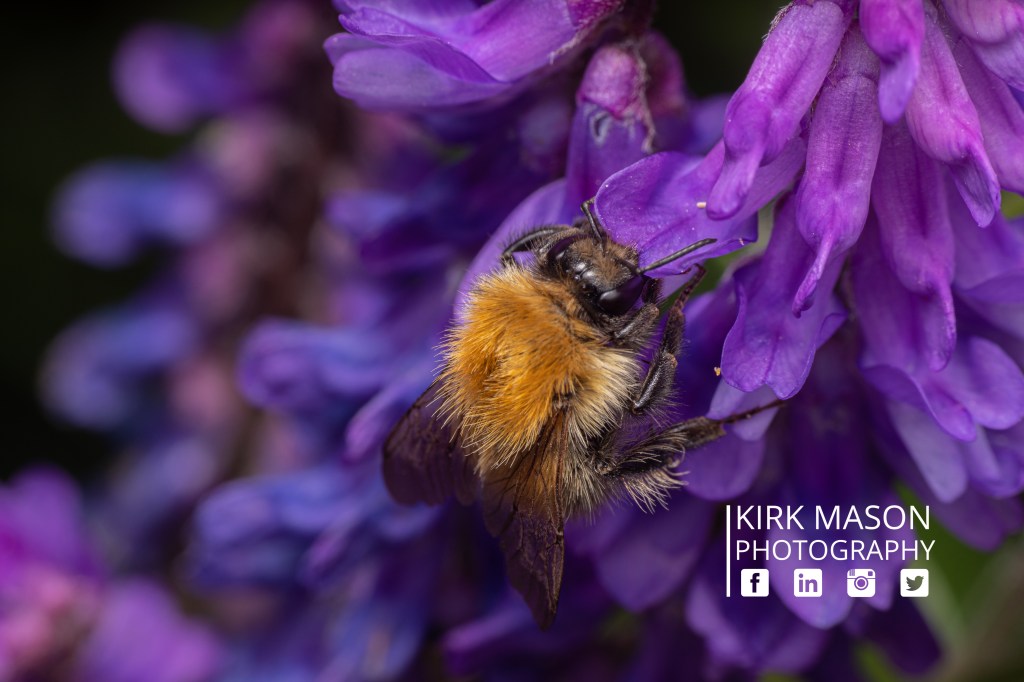
One of the things that makes photographing insects and other invertebrates so awesome is that you start to see things in photographs that you would have missed with just your eyes. Getting down to the eye level of insects makes them look bigger, more impressive and can take your viewers to a perspective they wouldn’t have seen without you. If you compare these photographs, which do you prefer?

2. Empty space.

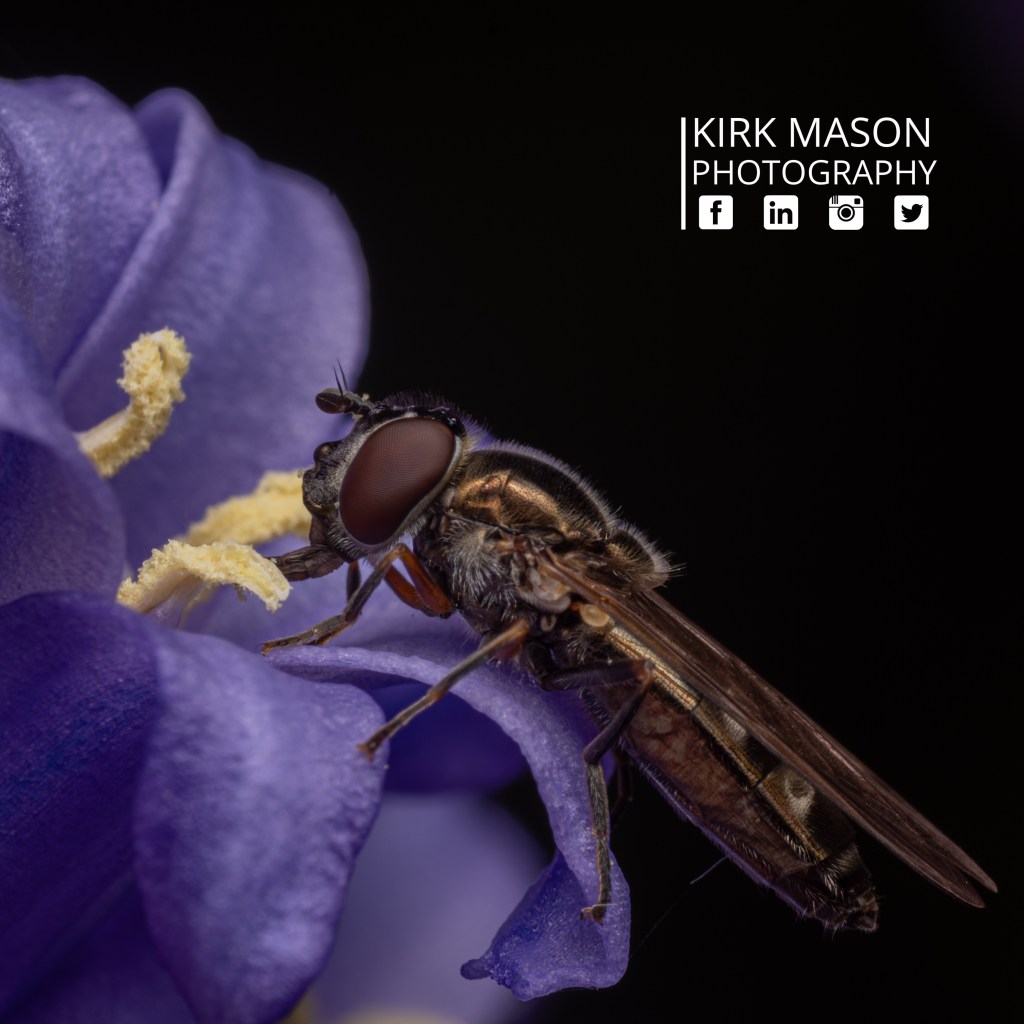
Leaving empty space in your photographs can make your subject really stand out. It leads the viewer’s eye to what you want them to focus on or show your subjects in their environment. You can use the rule of thirds to get a feel for how much empty space you should leave – ideally the subject should take one third of the space, and two thirds empty space. Though artistic rules are made to be broken, so the best thing to do is experiment and see what you like most! Check out the examples below to see what you prefer.

3. Background is everything!

Leaving empty space can look great, but if the background is messy or doesn’t look nice to you, it can take away focus from your subject. Most insects and other invertebrates are tiny, so moving around the insect by a few centimetres can really change the look of a background and the feel of a photograph. See below for examples of a bad background made better by moving a few inches, which do you think looks better?

4. Focus on the things that you find interesting about the subjects.

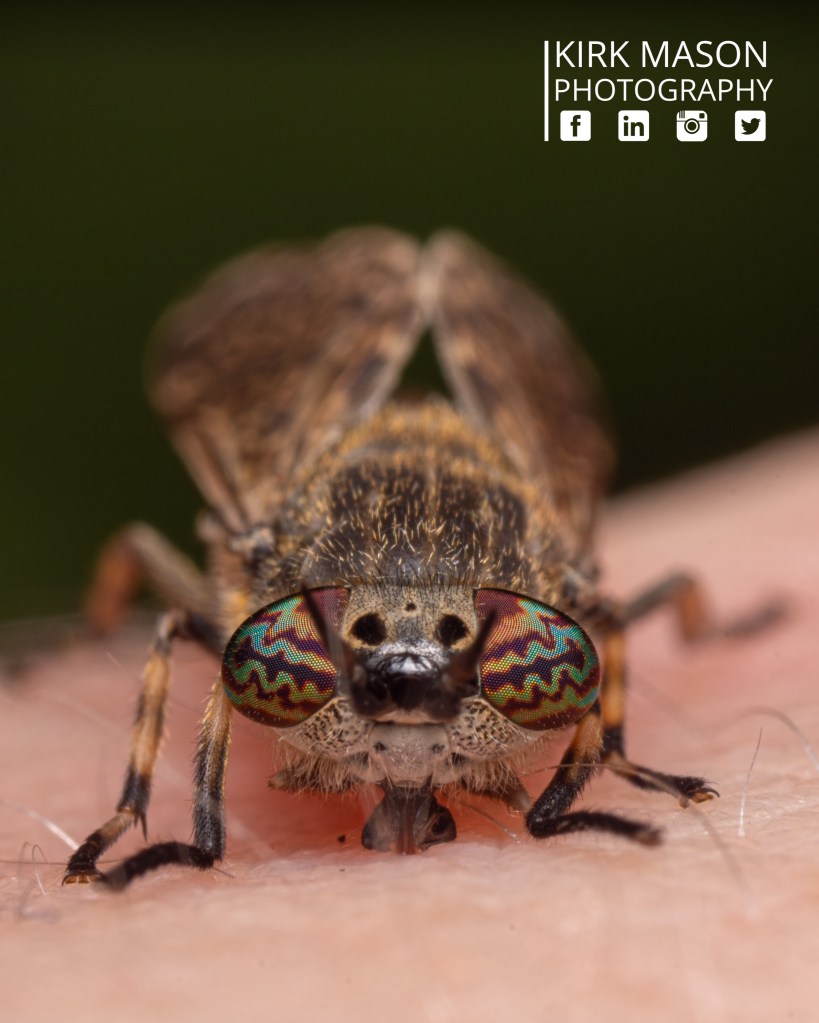
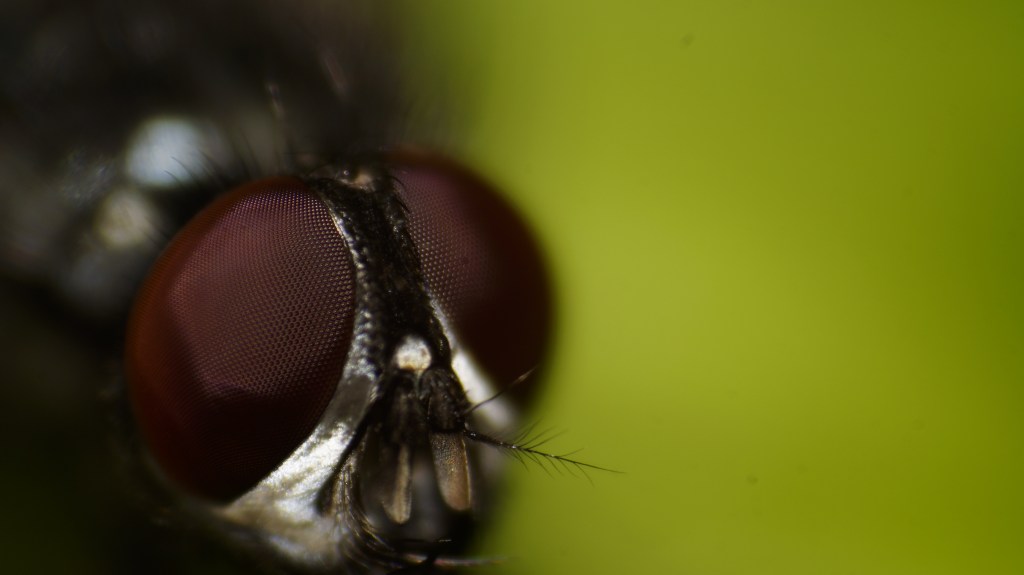
They say the eyes are the window to the soul, and whilst invertebrates do not show emotion through their eyes, they are often super interesting to look at! Typically, having the eyes in focus makes for great photographs, however invertebrates have lots of interesting features that are great to see up close! Wing patterns, antennae shapes and even feet are super diverse and make for great photographs – here are some examples of things I find interesting, do you?

5. Practice makes perfect!

Photography is like many things we do in life – the more we practise, the better we become! Luckily, going out finding insects and photographing them is great fun. This makes improving feel almost effortless and with thousands of insects to find in Britain, it’s hard to get bored! Wind and fast-moving insects make it hard to get good photographs every time, so the more you take, the higher chance you have of getting the shot you want. I still throw away way more photographs than I keep! I started my photography journey three years ago and have since had my photographs on BBC Springwatch, and in BBC Wildlife magazine and several newspapers. See below for my first photograph that I was happy with and compare it with what I take today. You all took fantastic photographs and if you keep doing it, by the time you are my age, you will have taken the world by storm!

Gallery

Inspired by these top tips? Have a look at our Photo Gallery and then have a go for yourself. As Kirk says, practice makes perfect! We’d love to see the results: you can email your best photo to us at hopelearning@oum.ox.ac.uk. Please make it clear if it’s OK for us to use it on this blog. We’ll also need permission from a parent or guardian to publish your name.