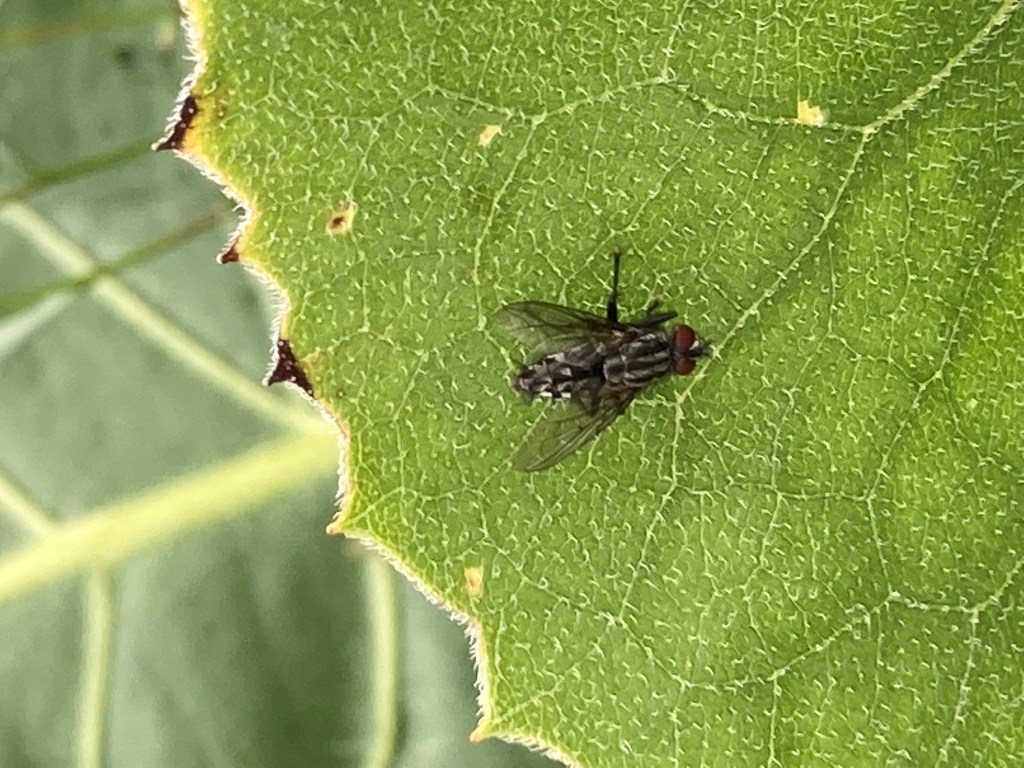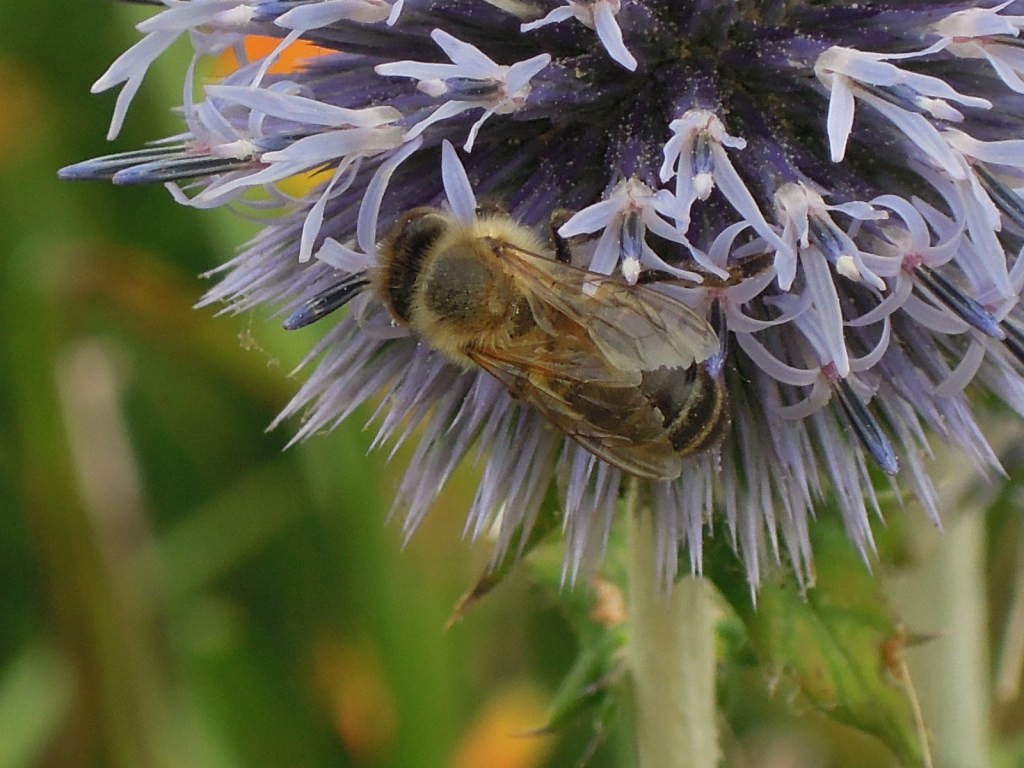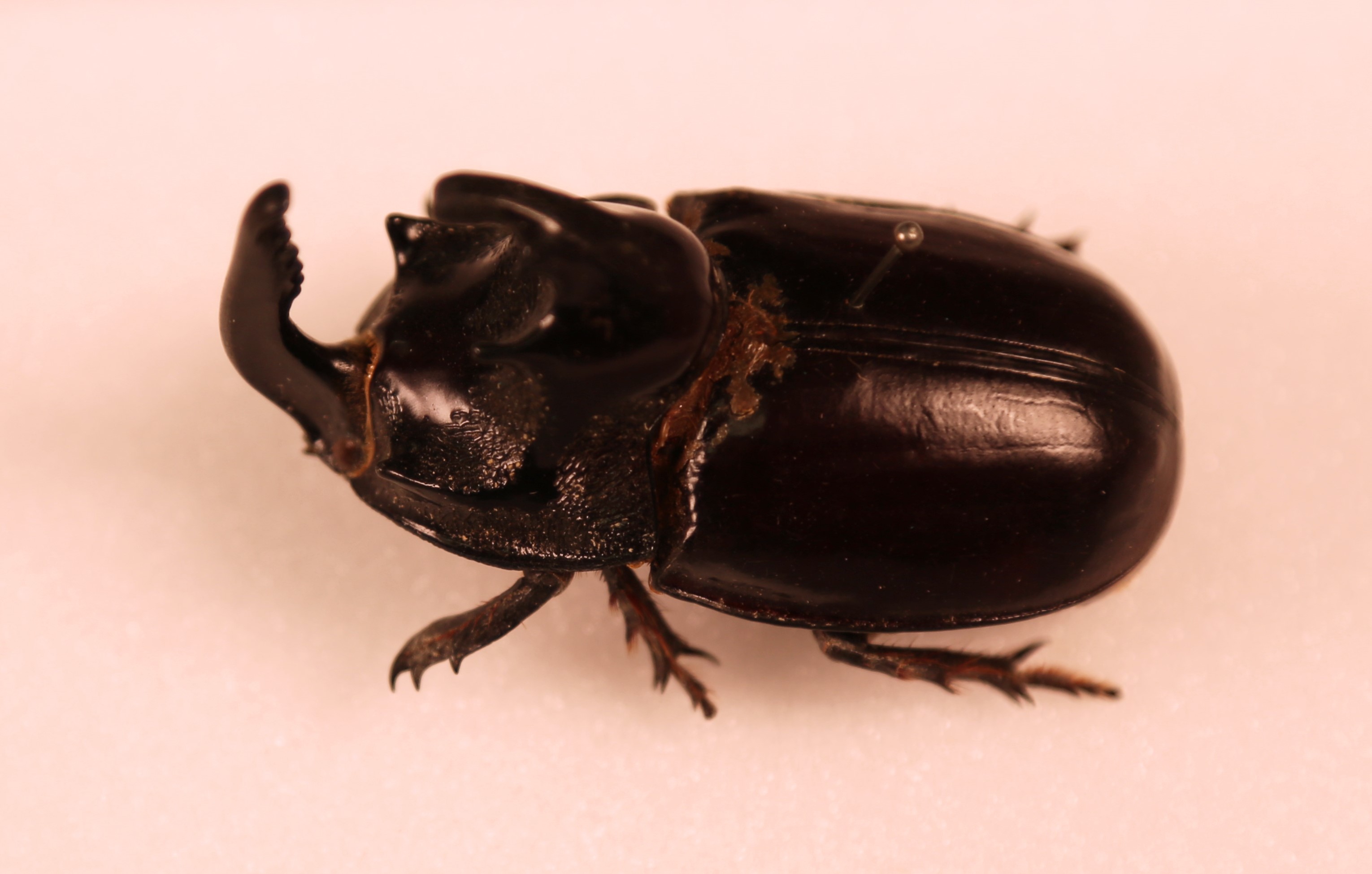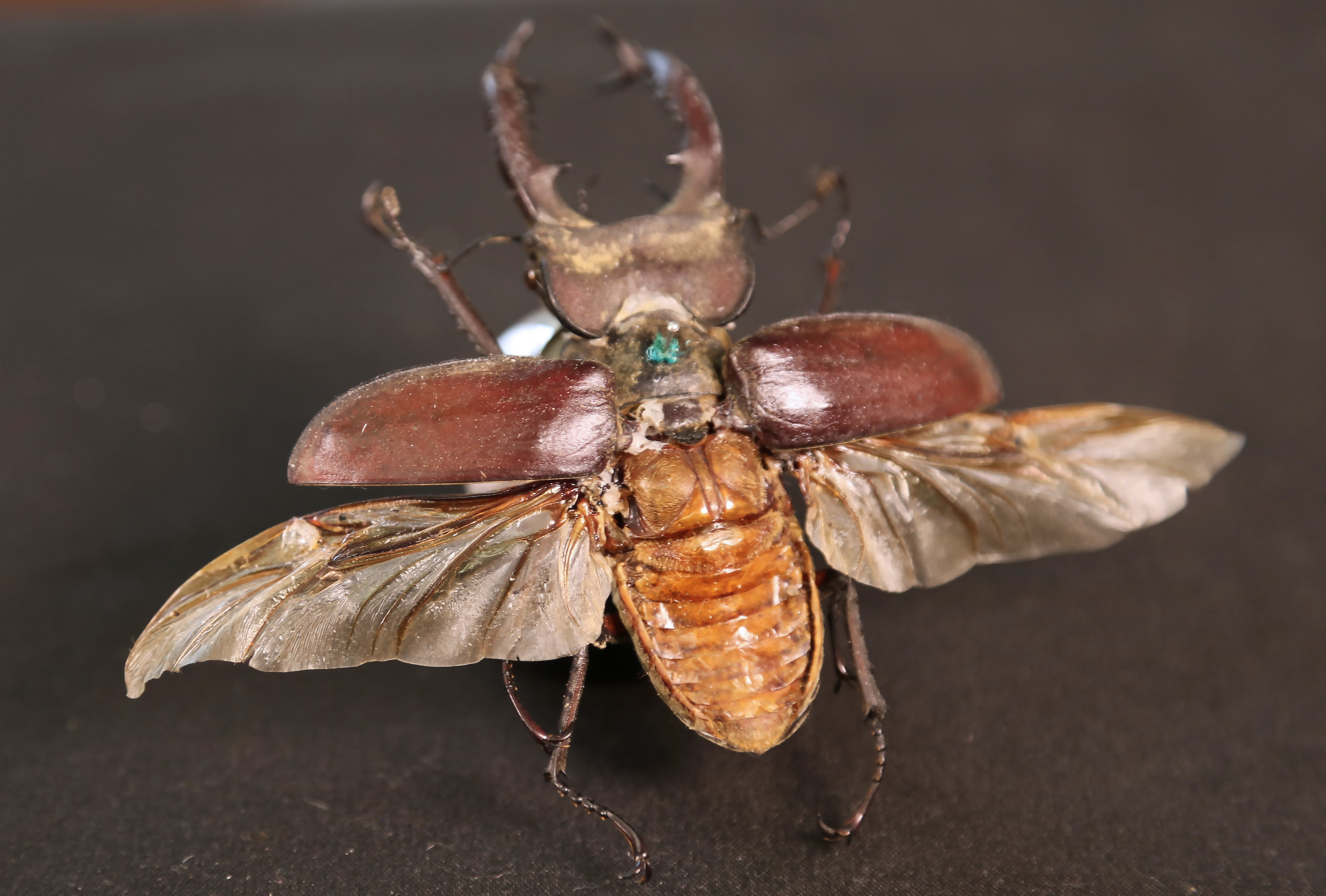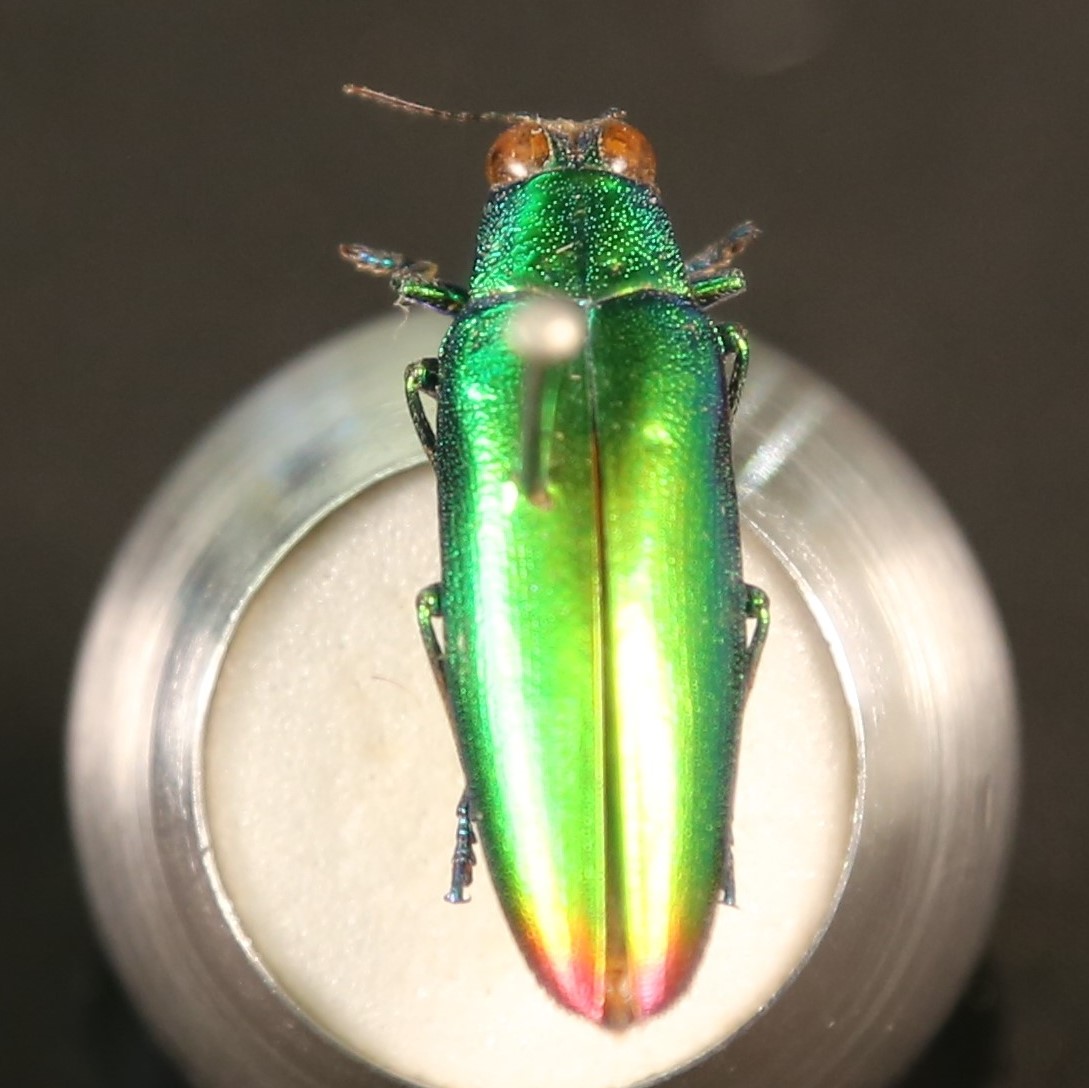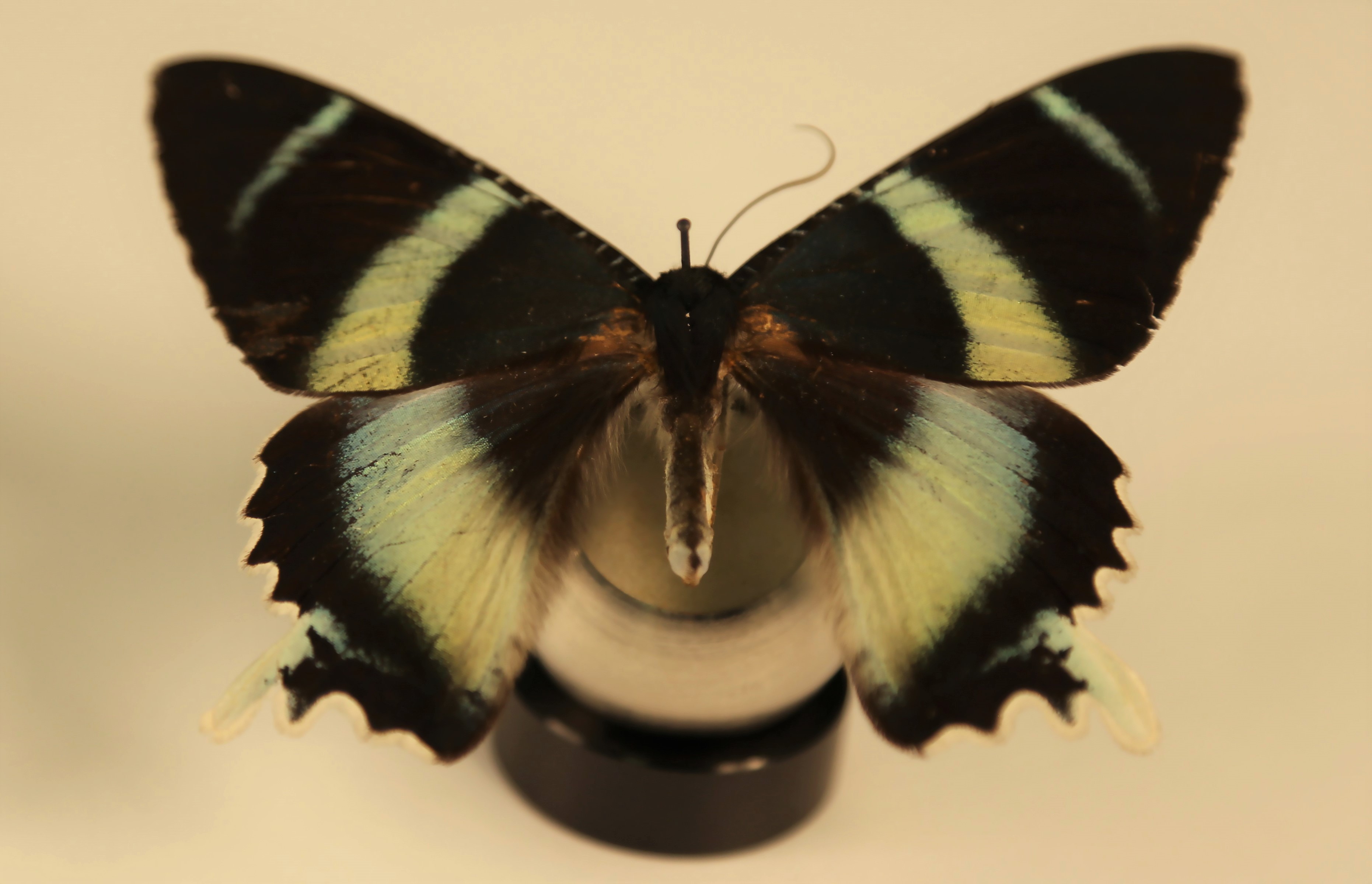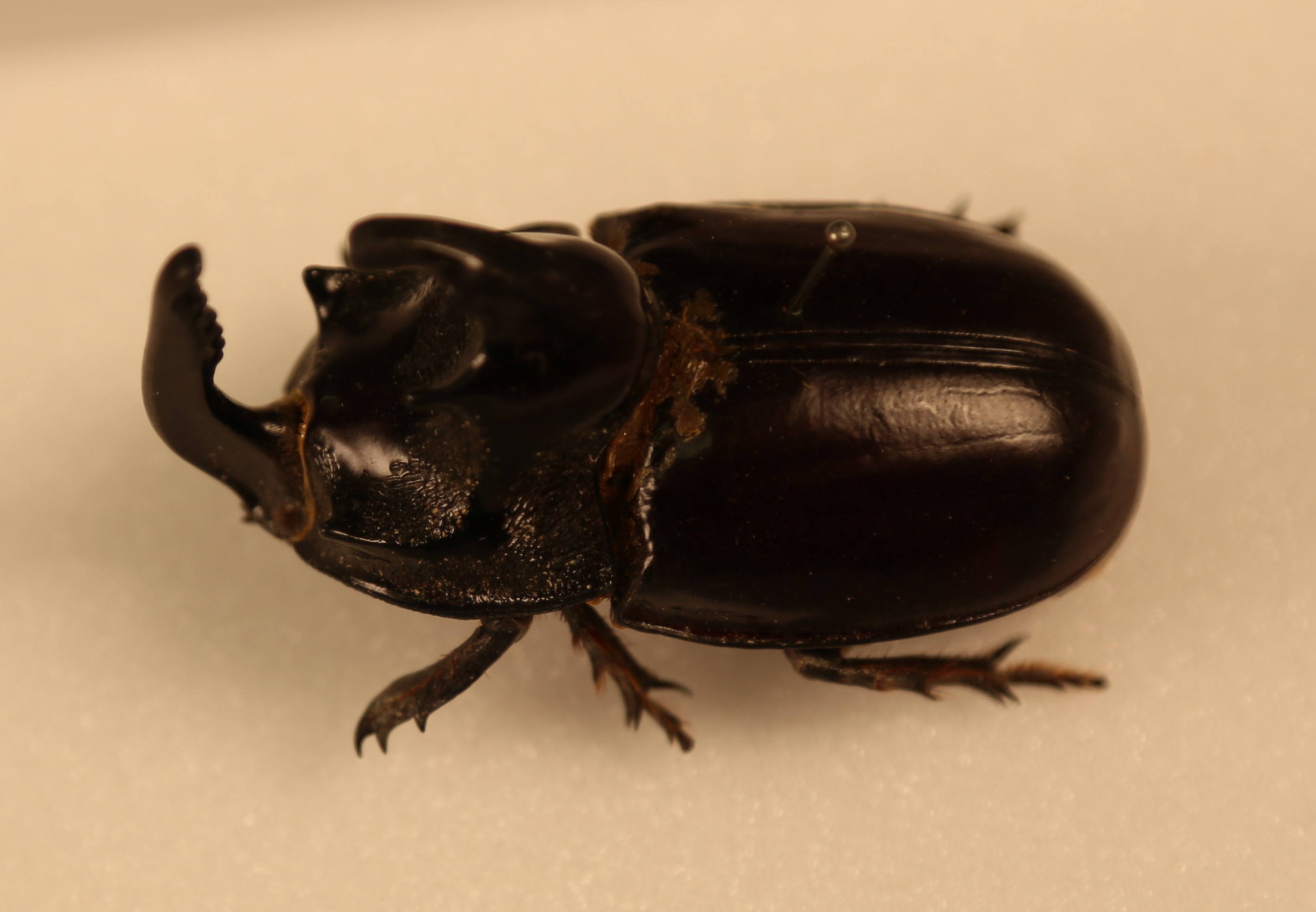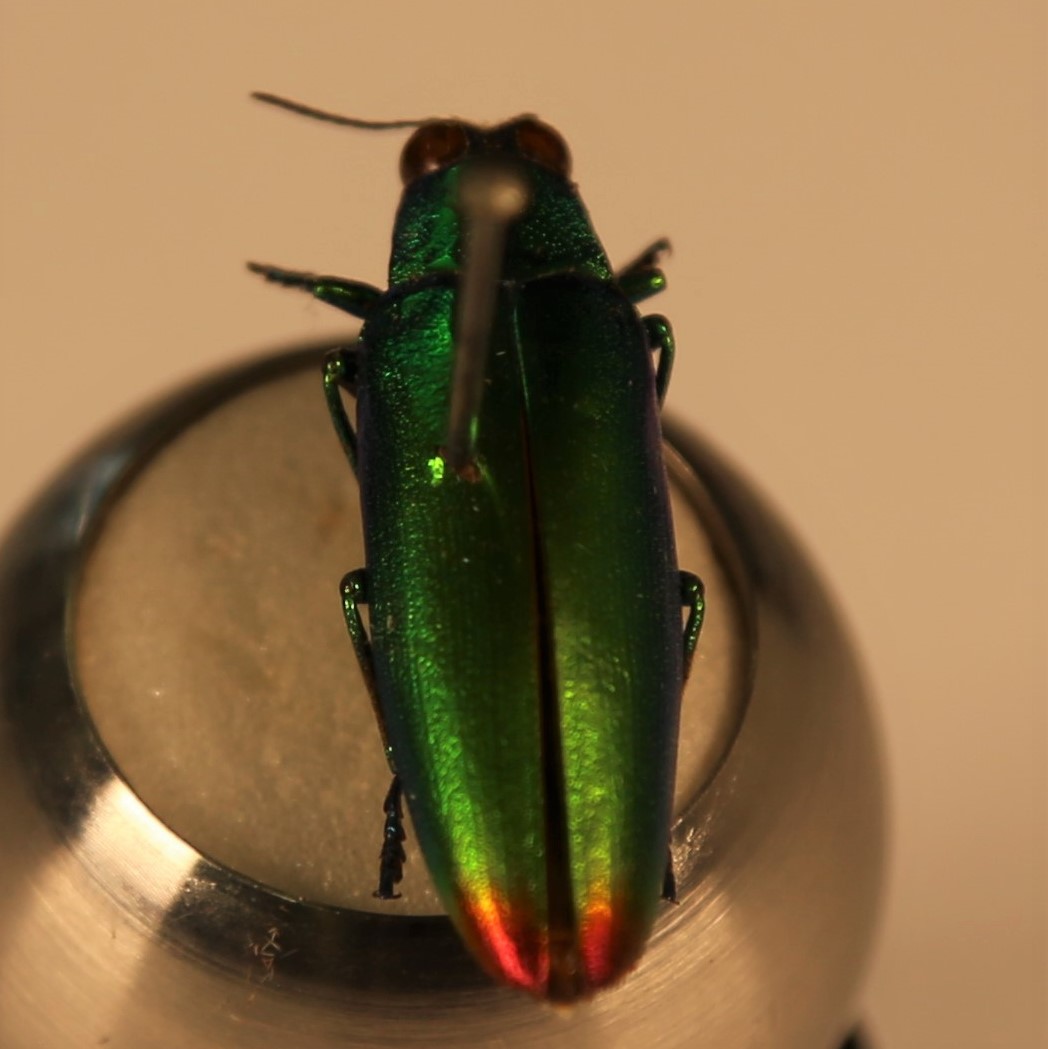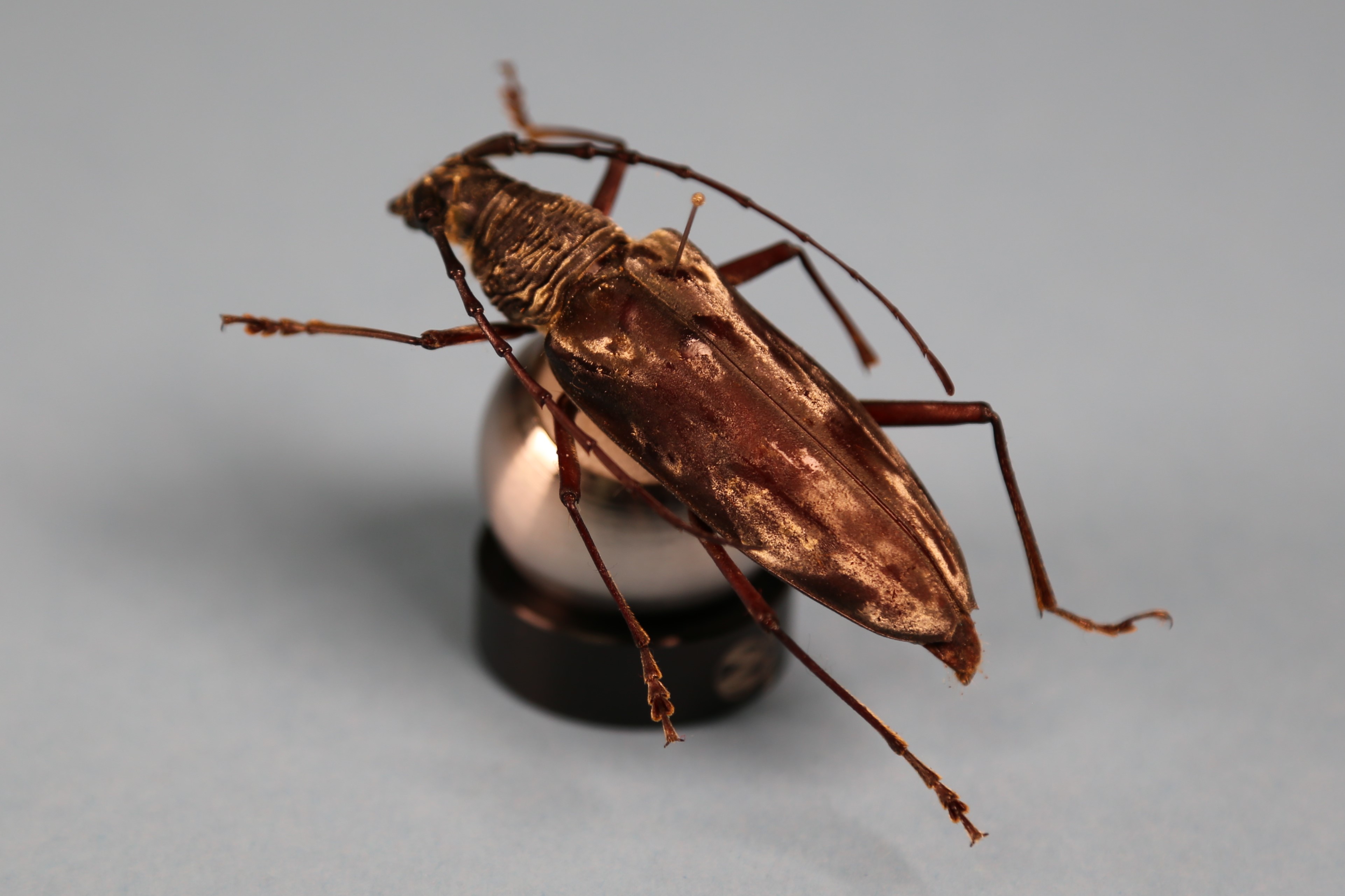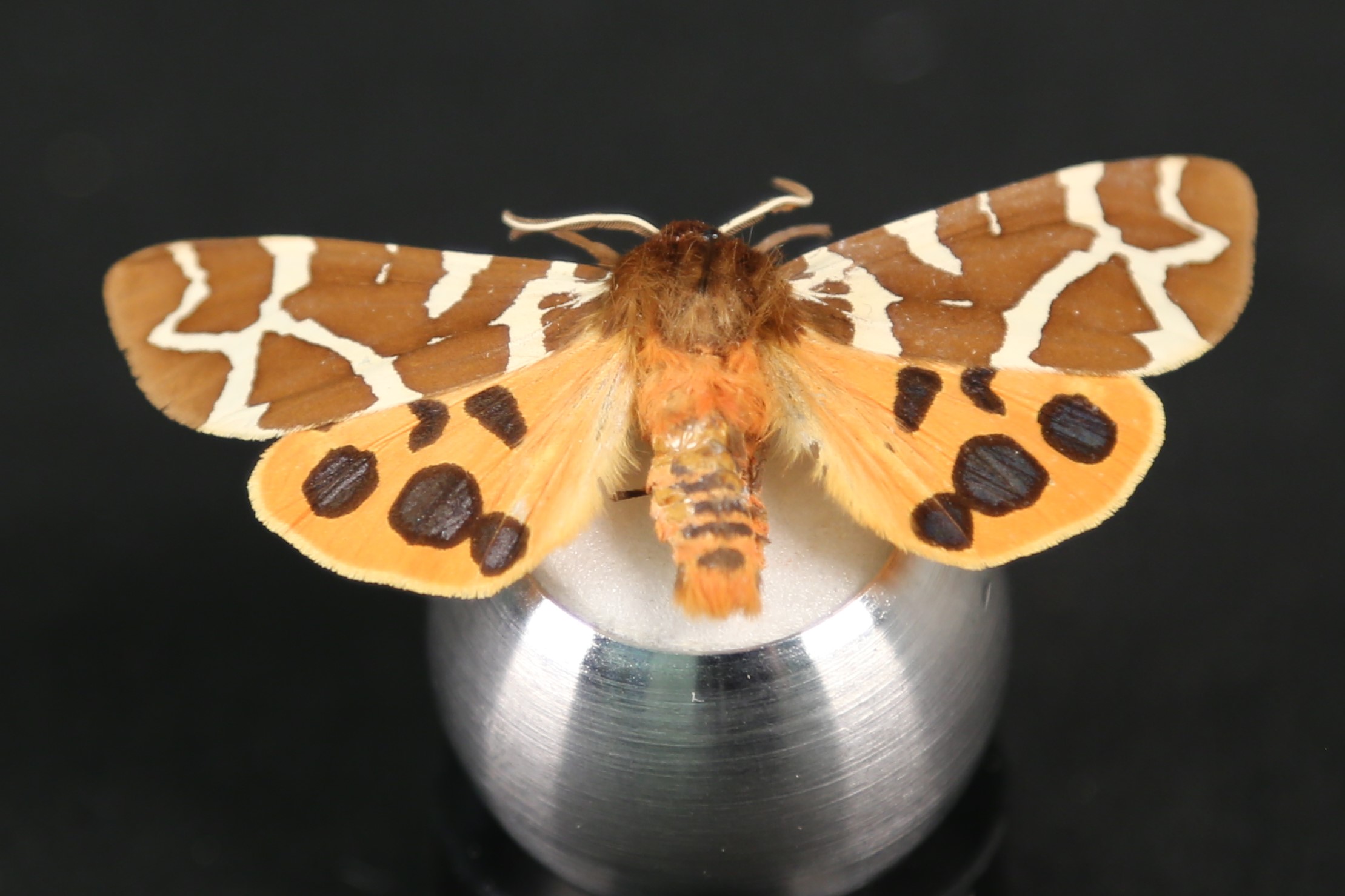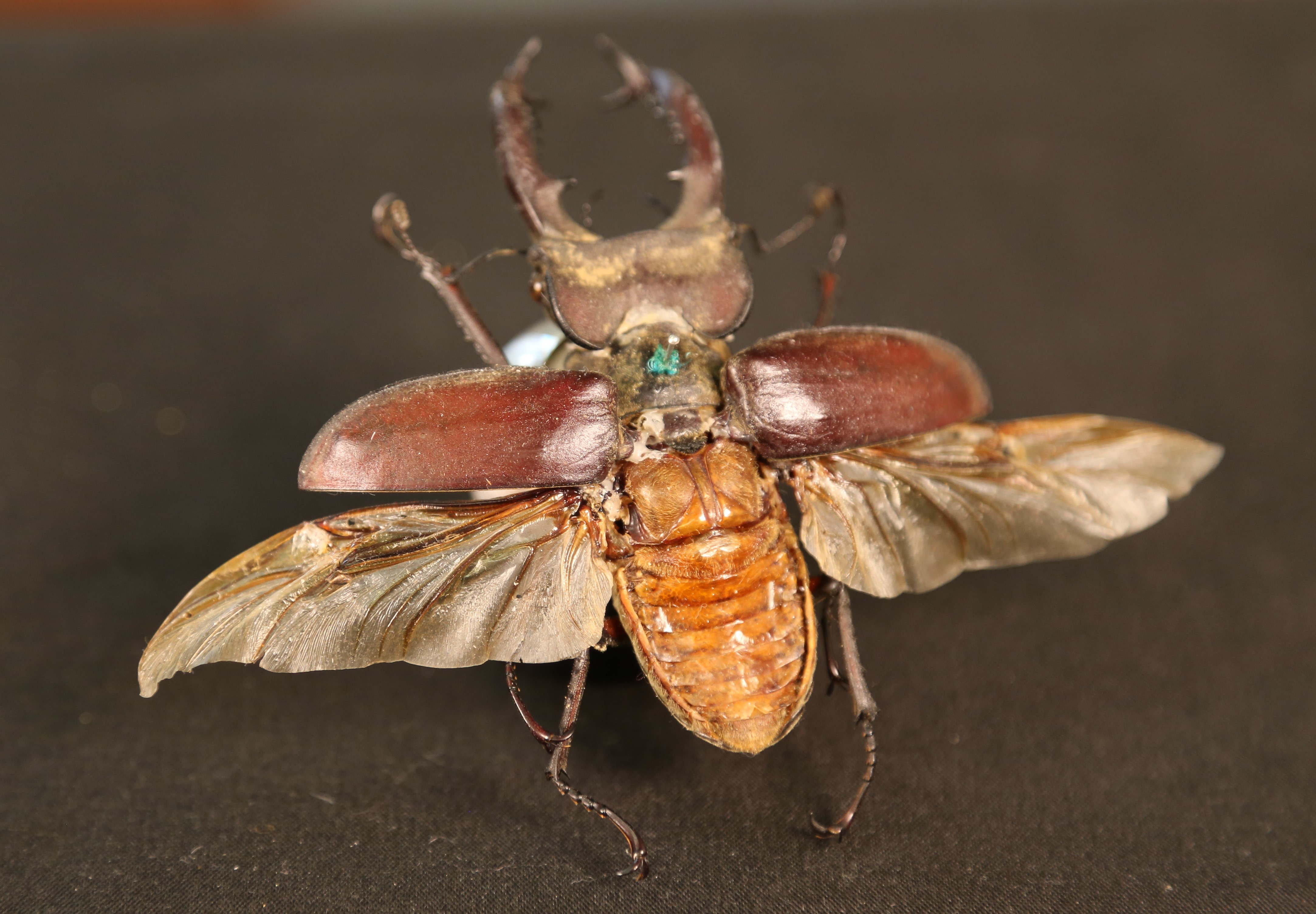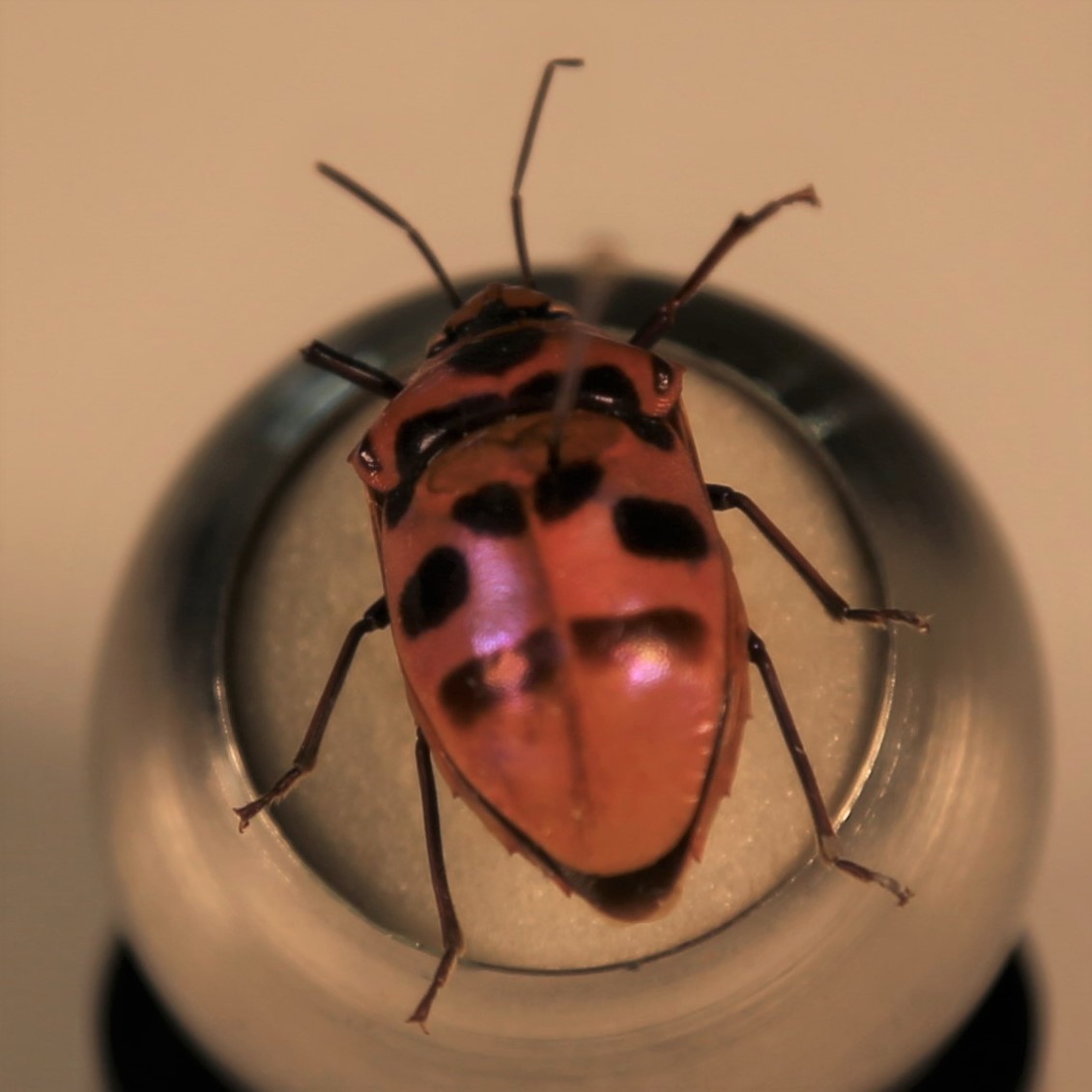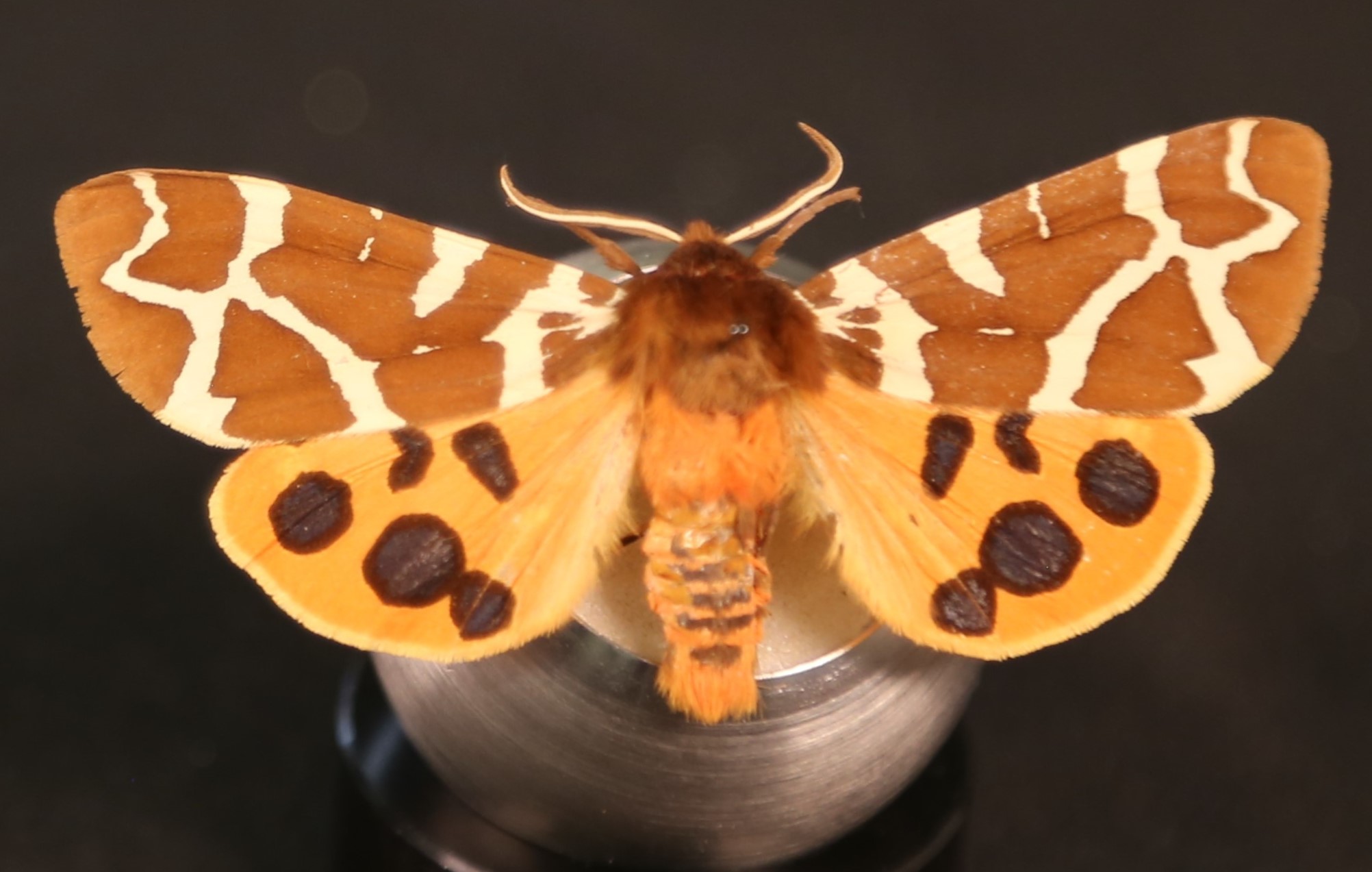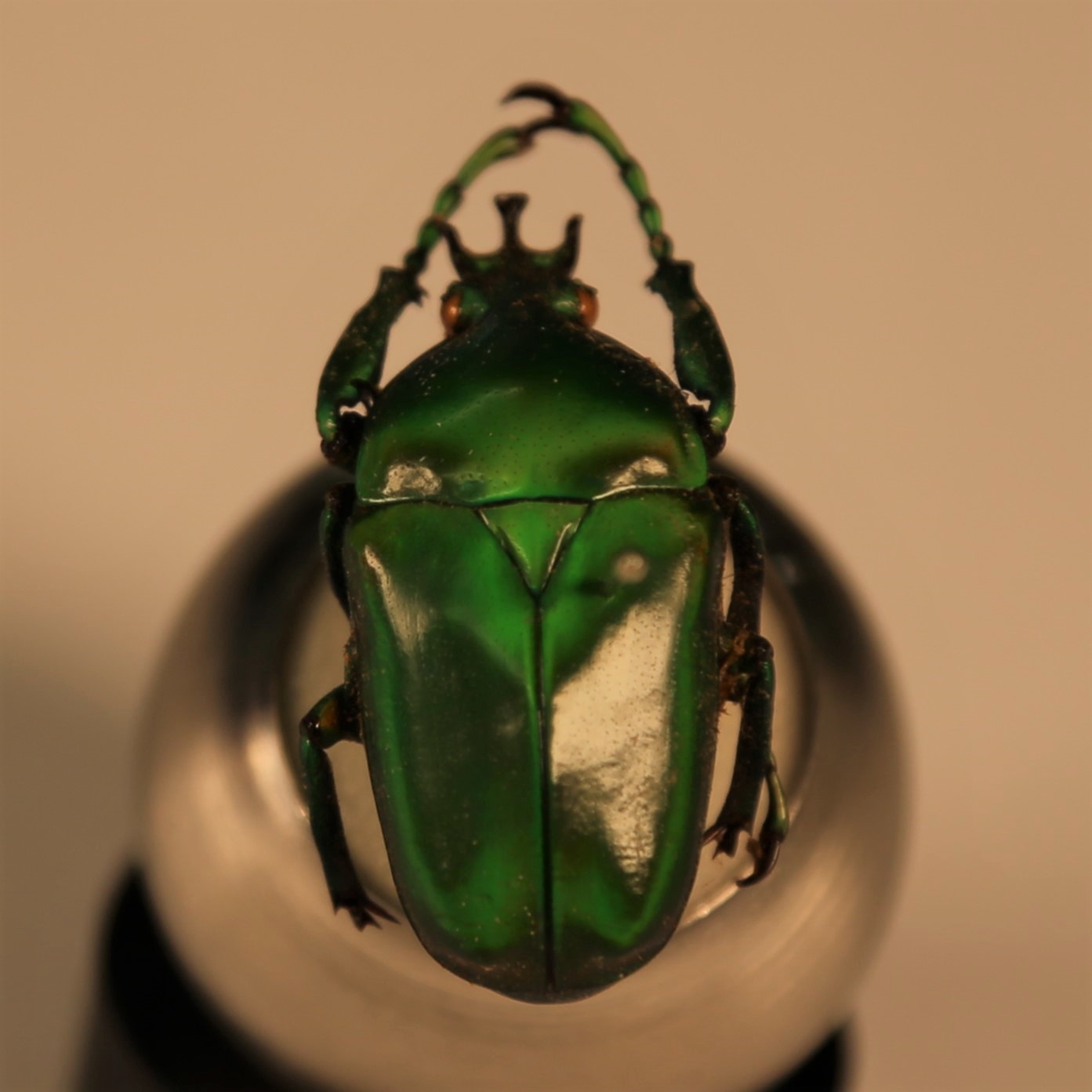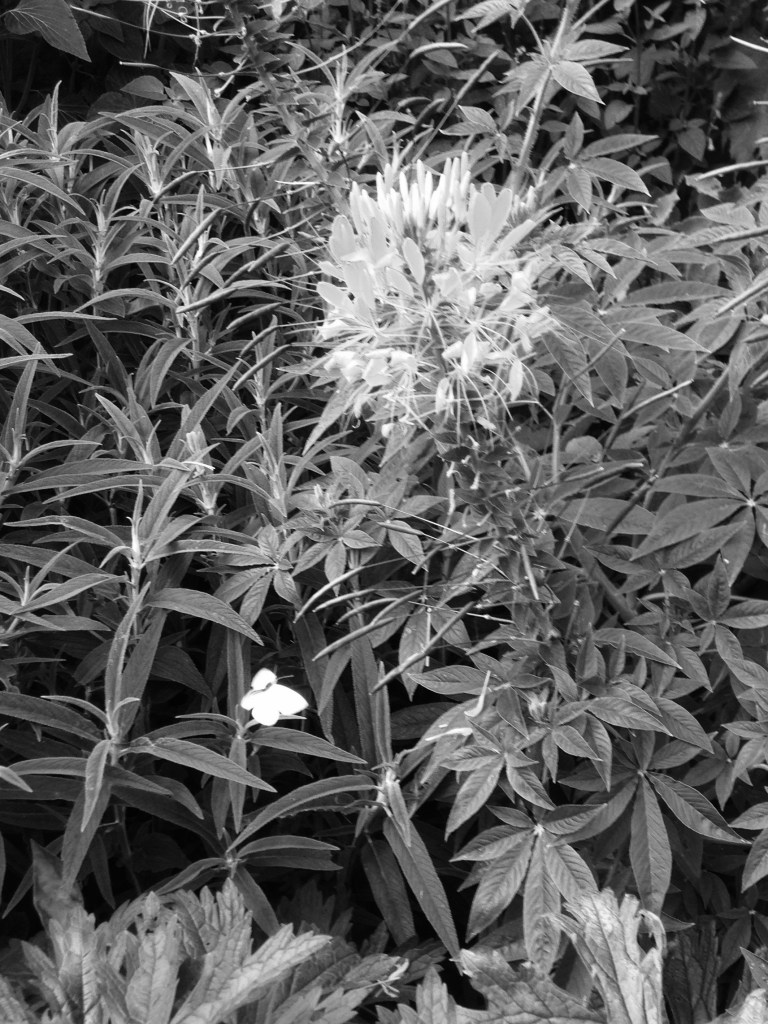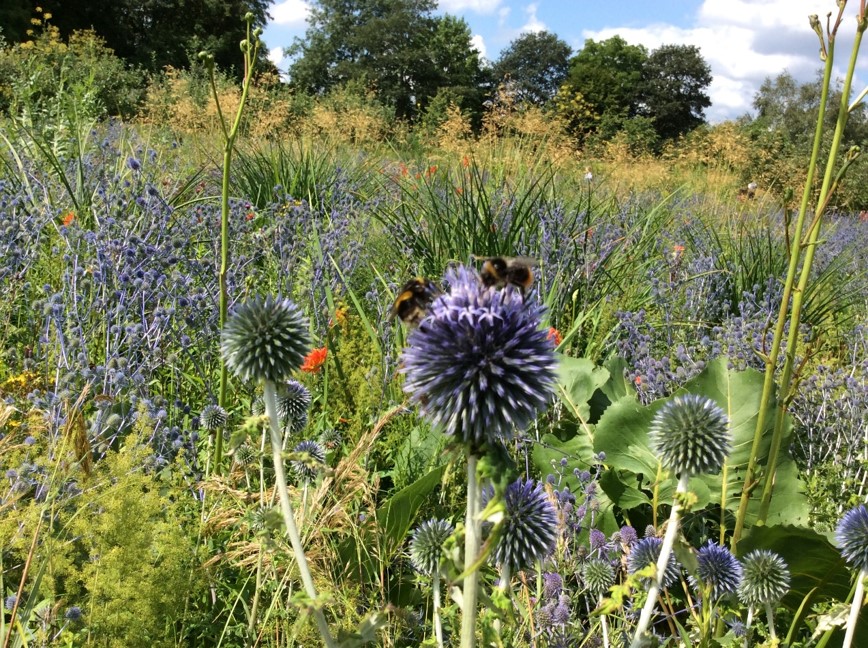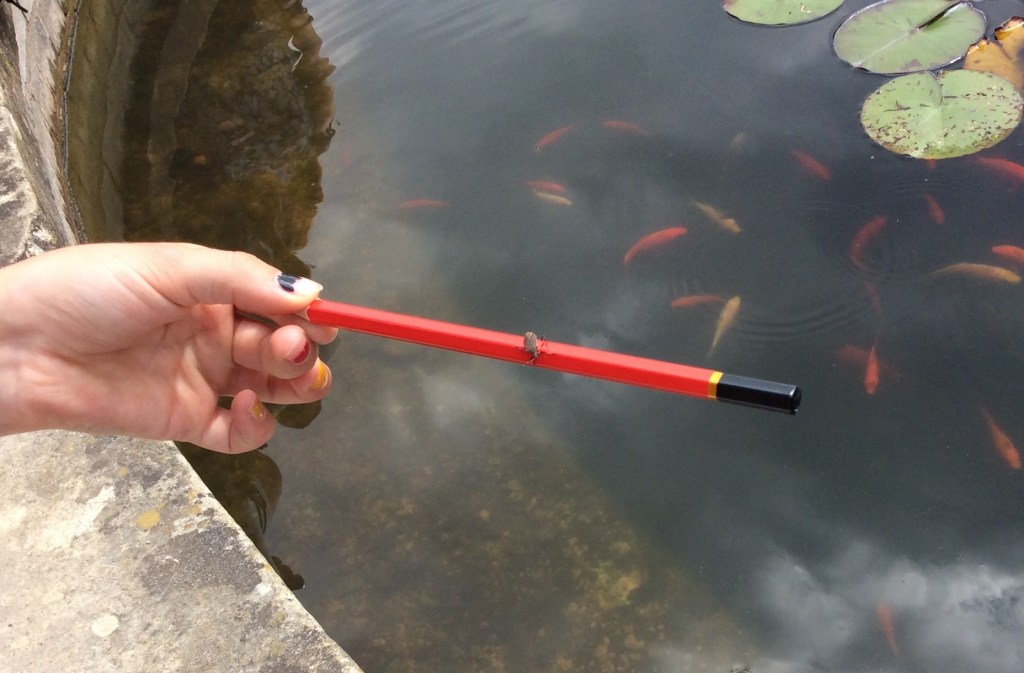
Fabulous Insect Photos

Wildlife photographer and insect enthusiast Kirk Mason shares his top tips for taking fabulous insect photos, whatever camera you have.

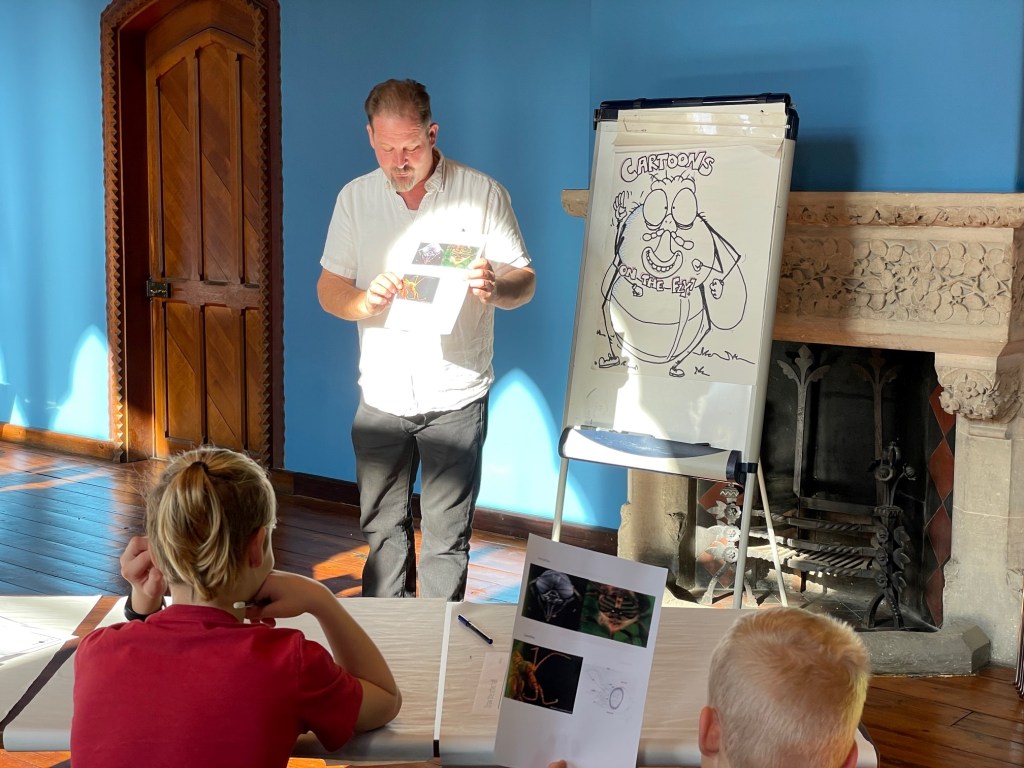
Well done to everyone that came to the Summer School photography workshop. I was blown away with your photographs, videos and knowledge of insects – well done!

Let’s recap on some handy hints to improve your photography.

1. Getting down to the eye level of insects.

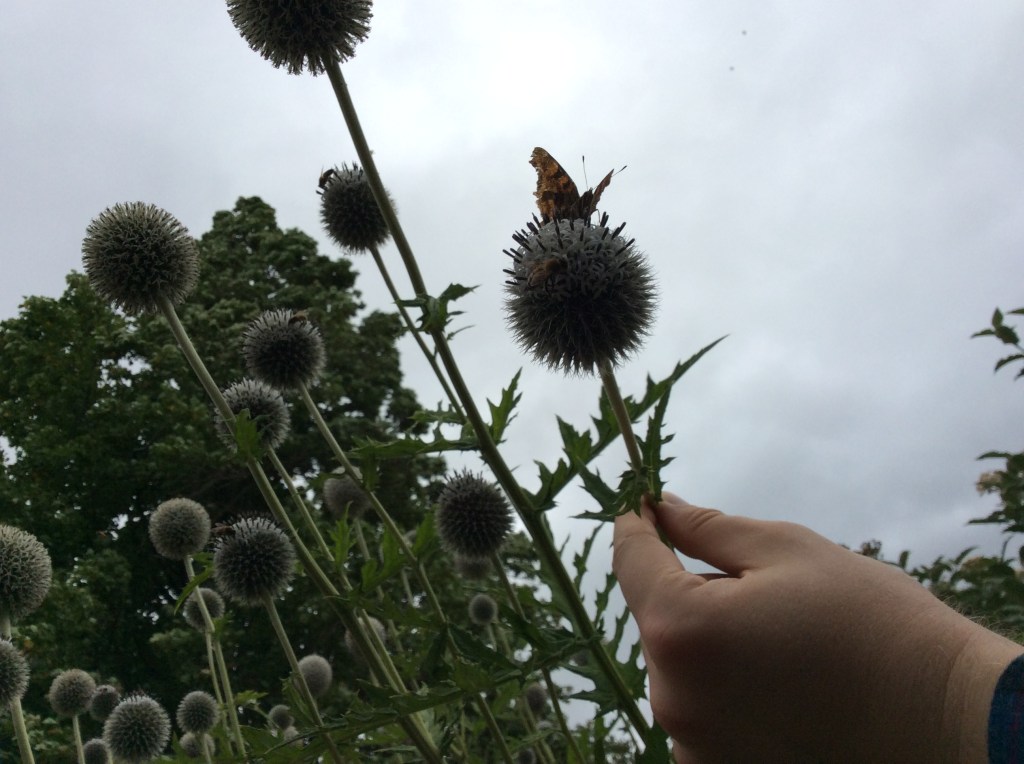
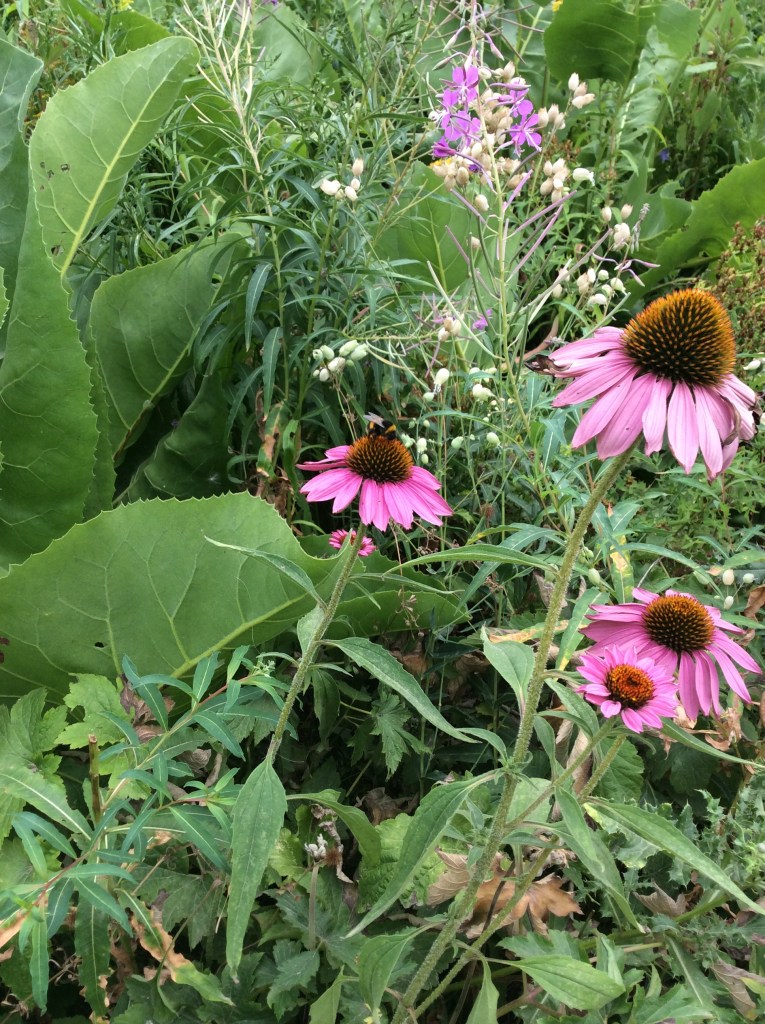
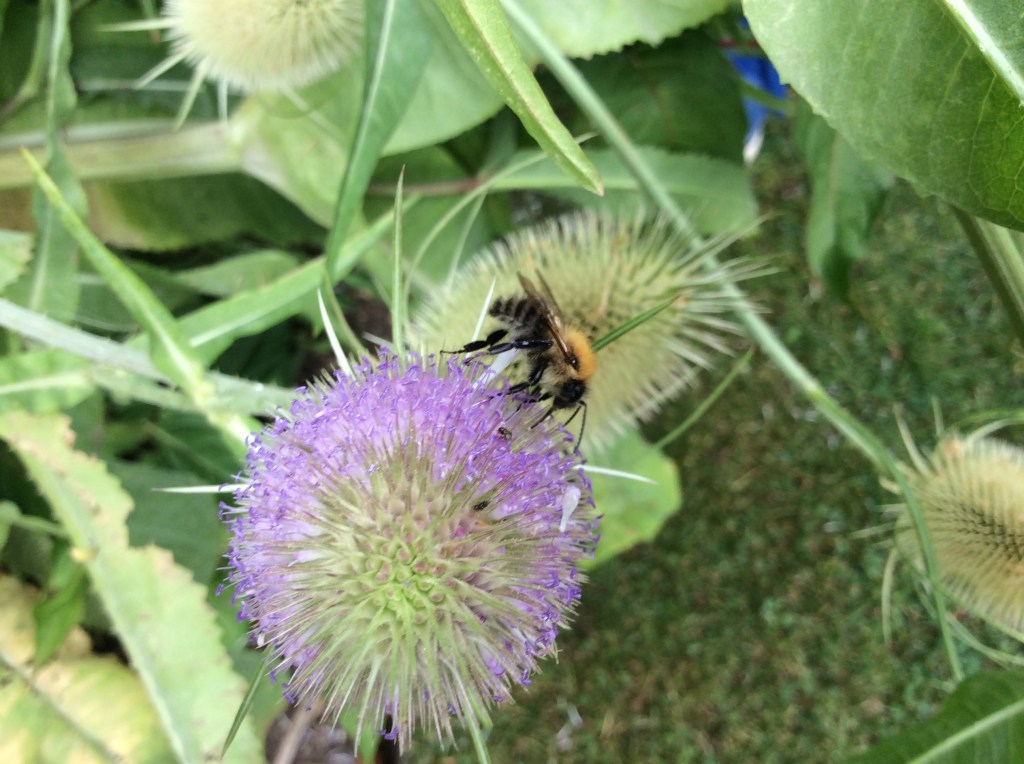
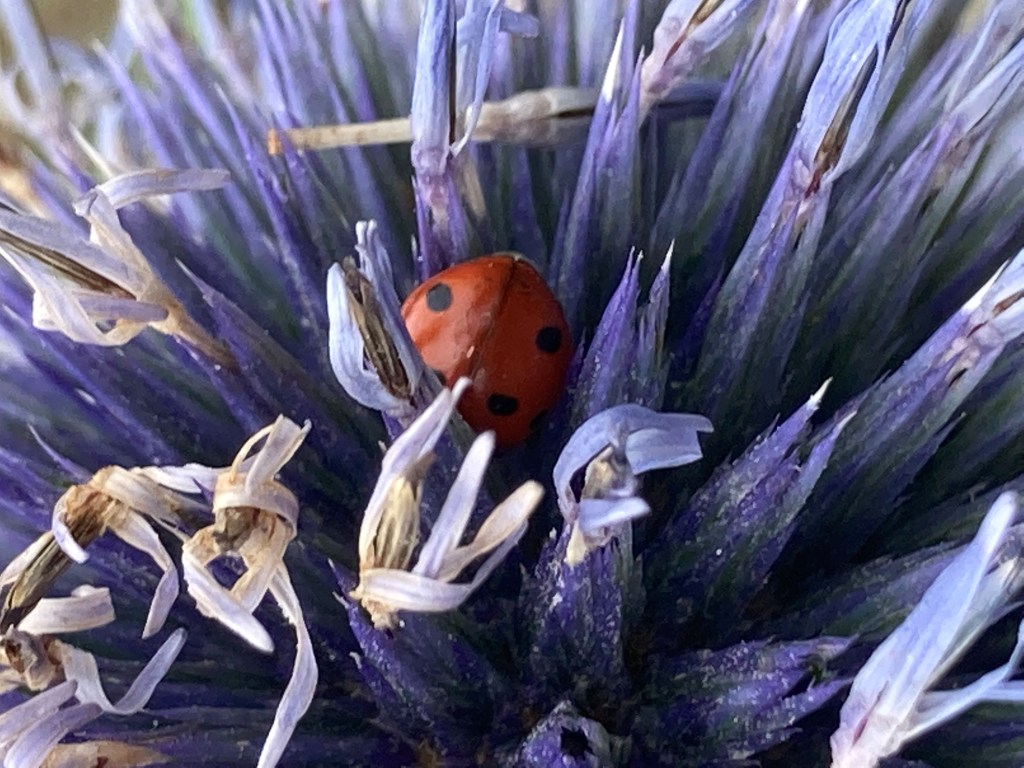
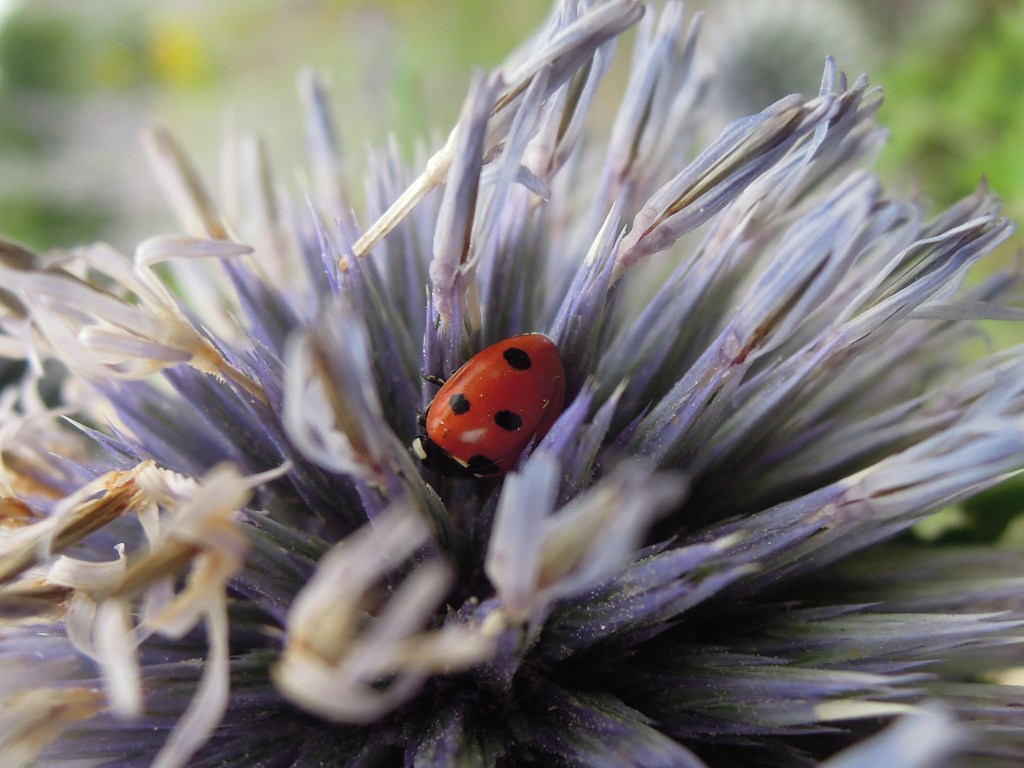
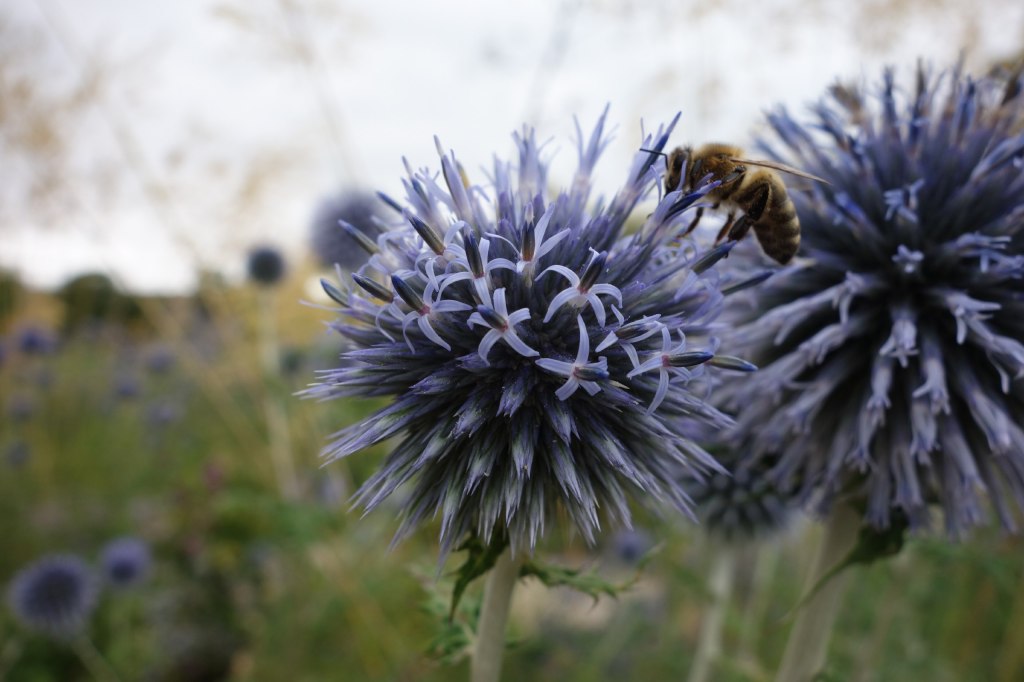
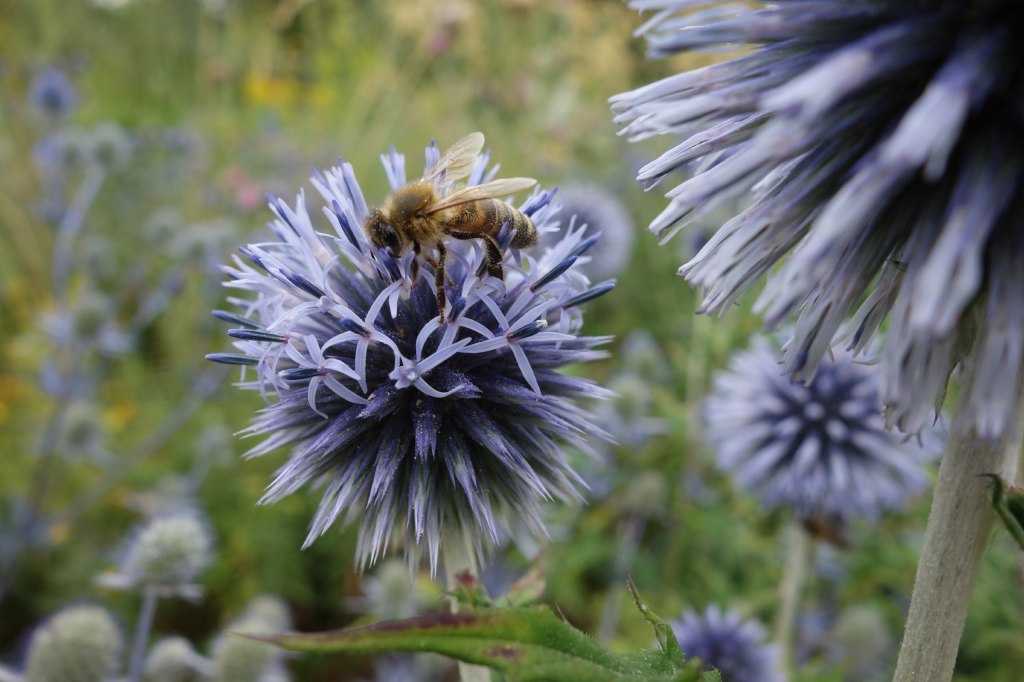
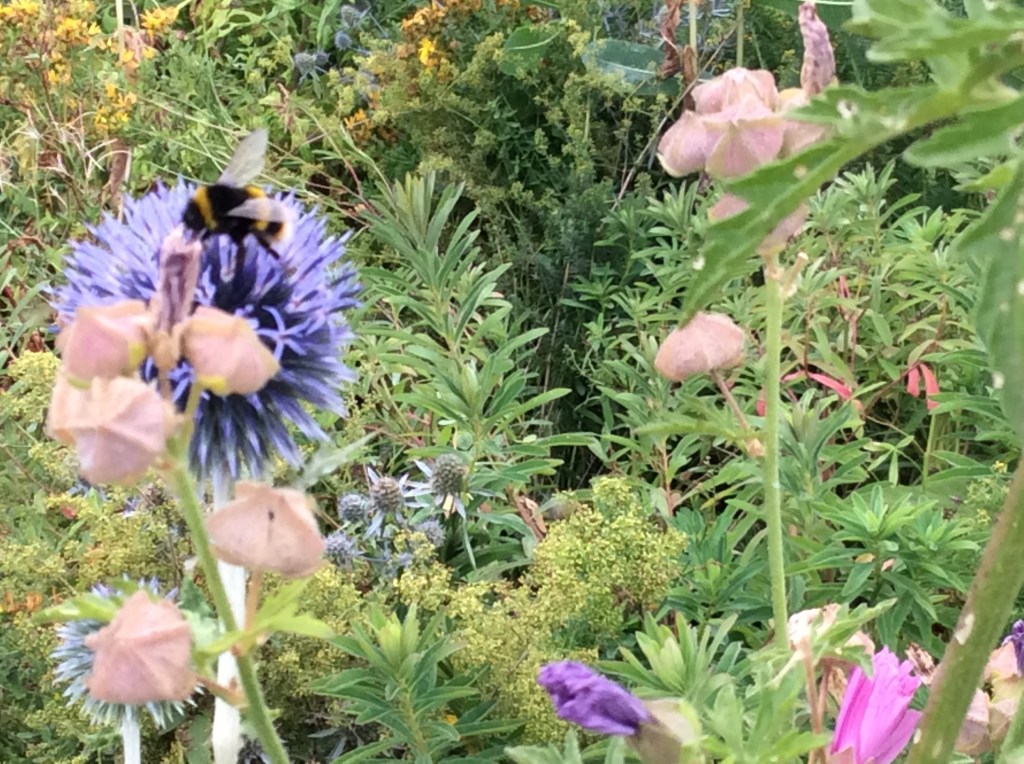
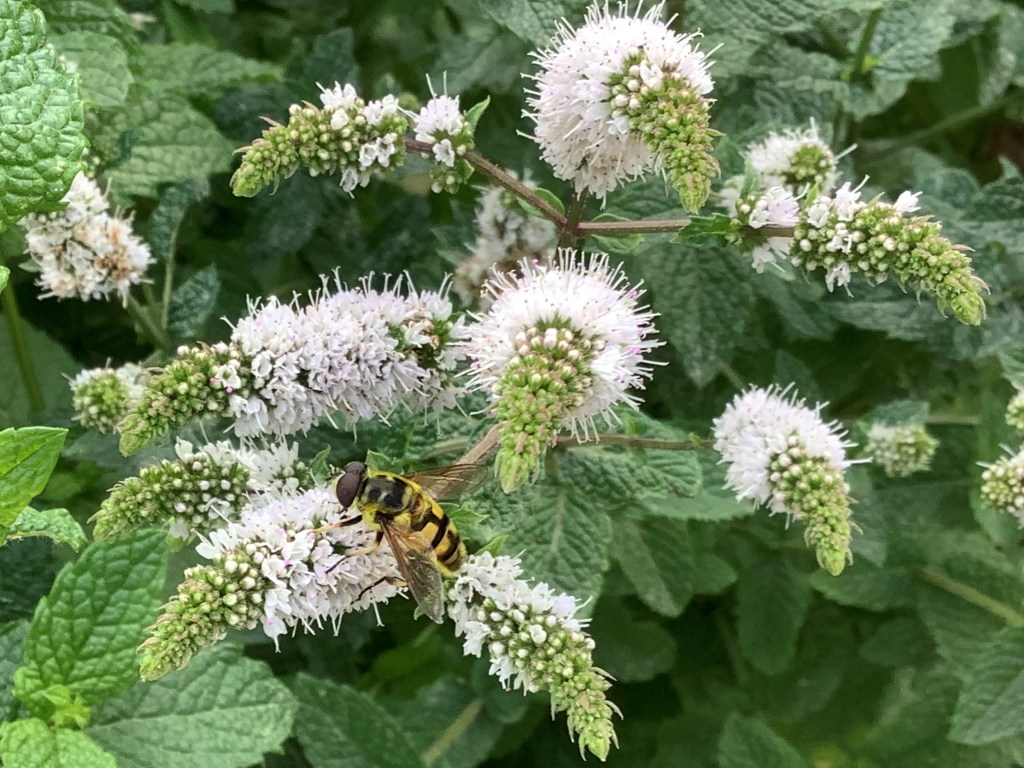
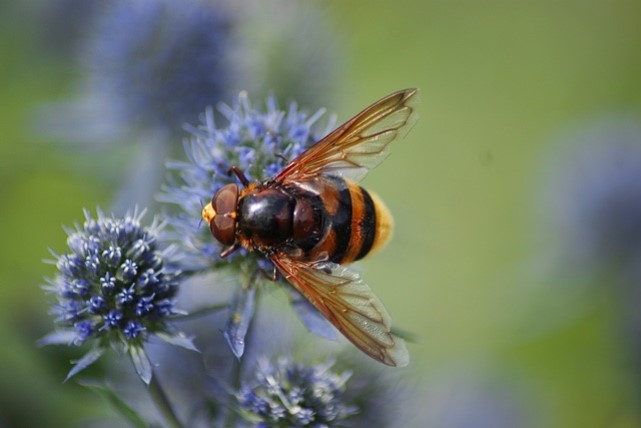
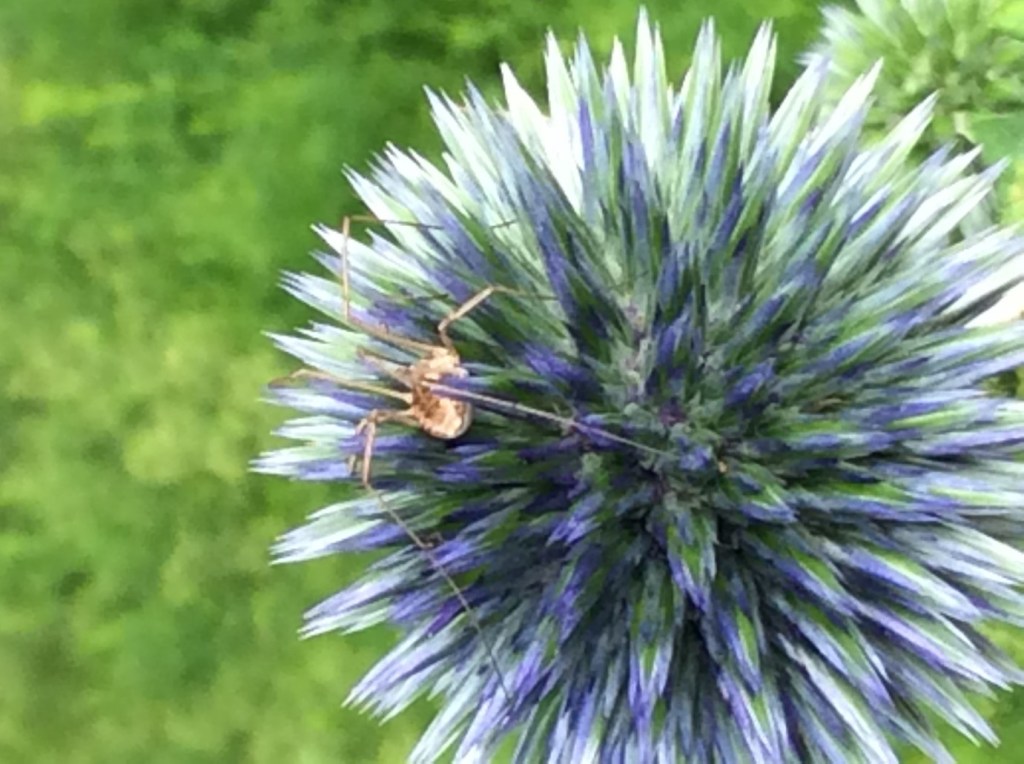
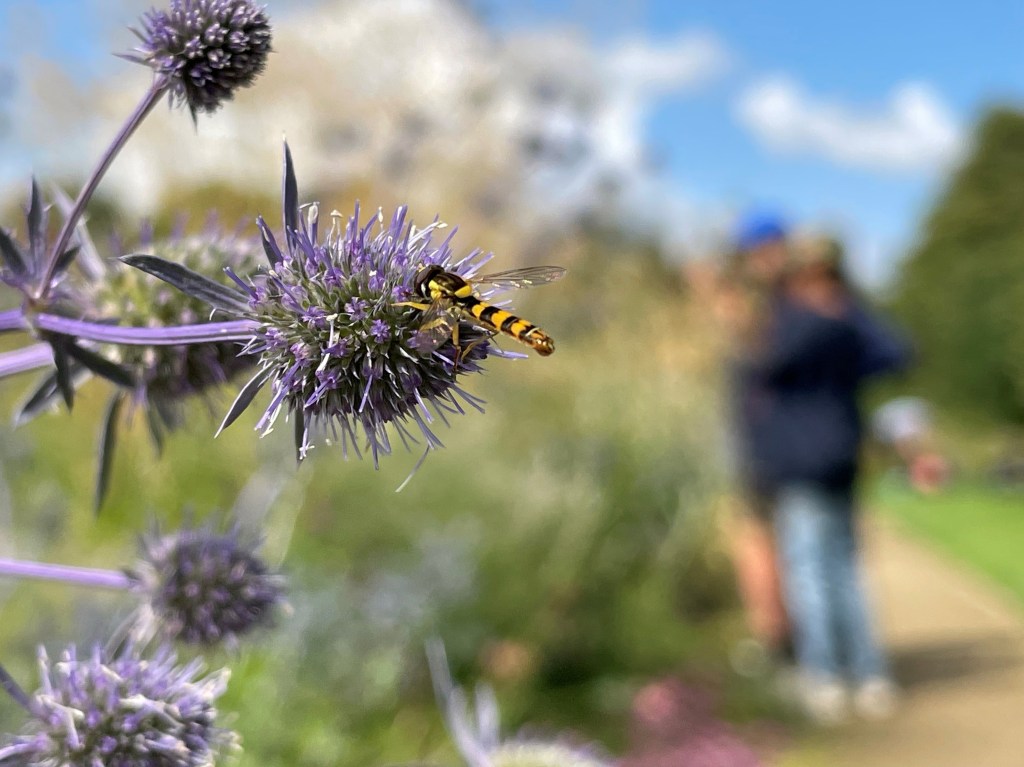
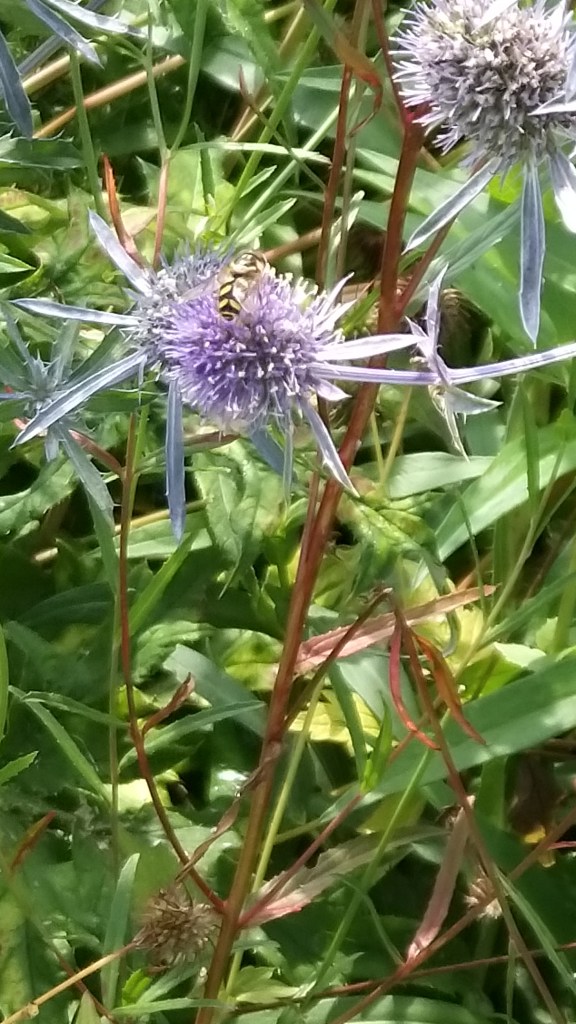
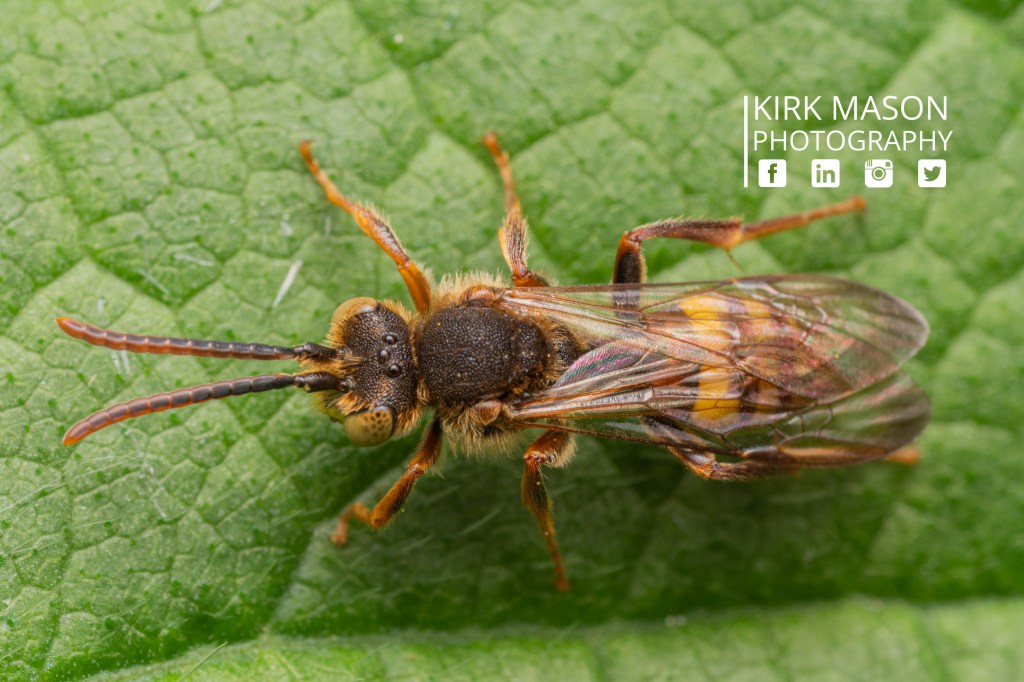
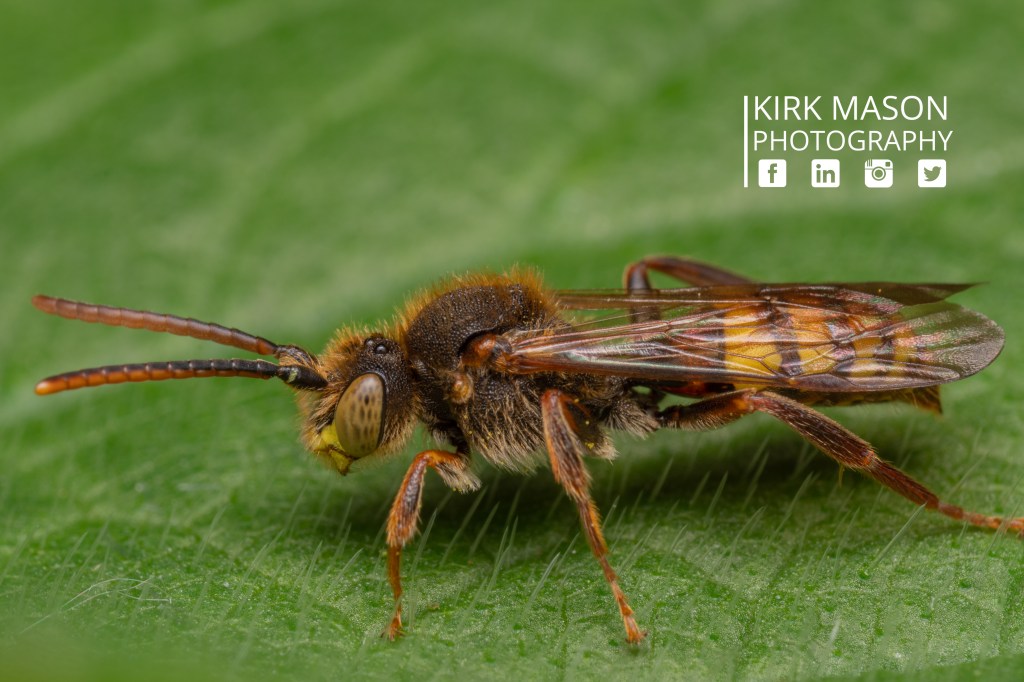
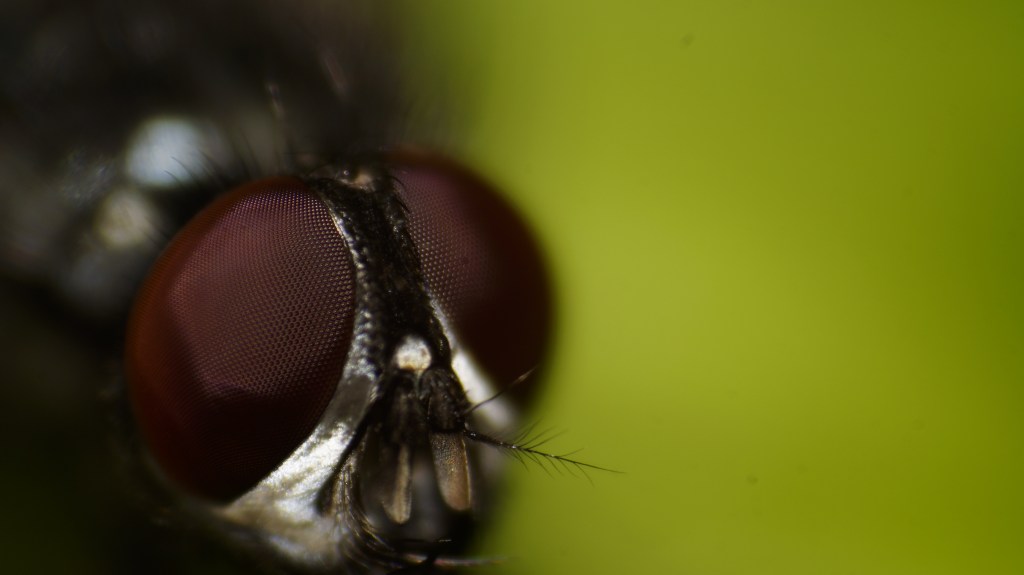
One of the things that makes photographing insects and other invertebrates so awesome is that you start to see things in photographs that you would have missed with just your eyes. Getting down to the eye level of insects makes them look bigger, more impressive and can take your viewers to a perspective they wouldn’t have seen without you. If you compare these photographs, which do you prefer?
2. Empty space.

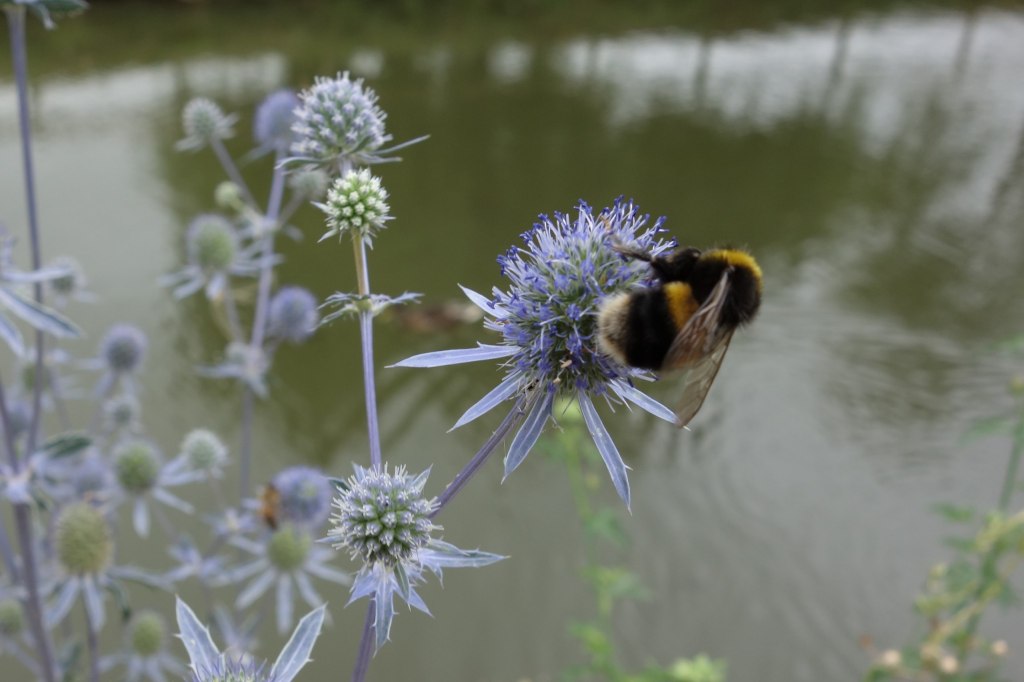
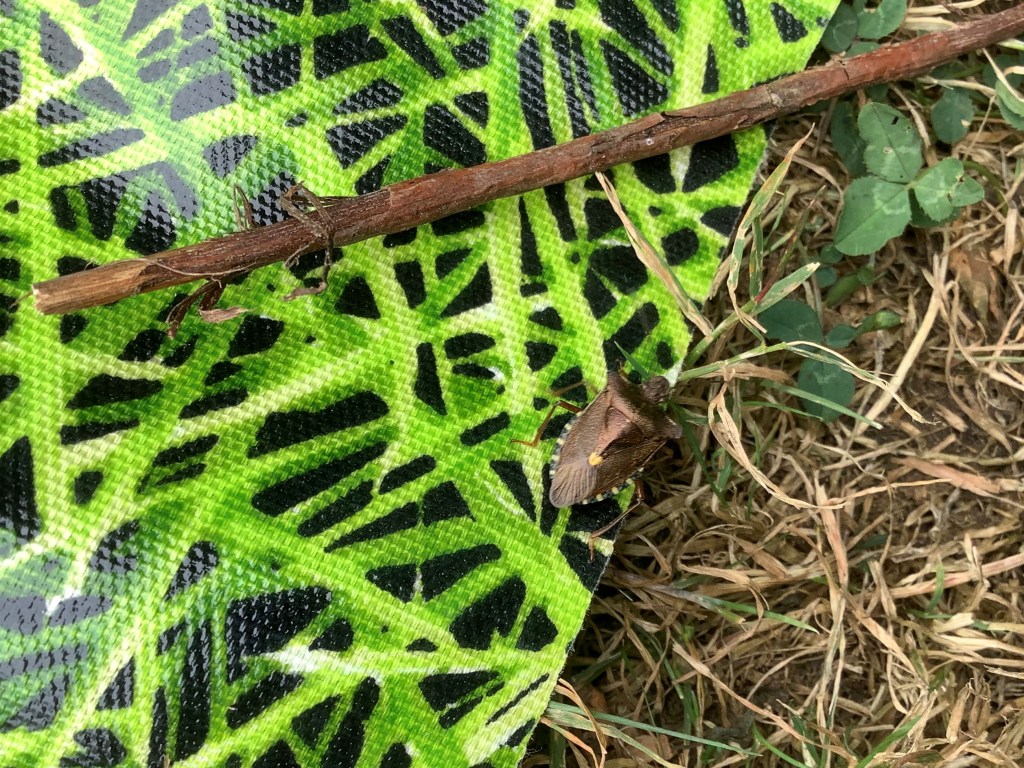
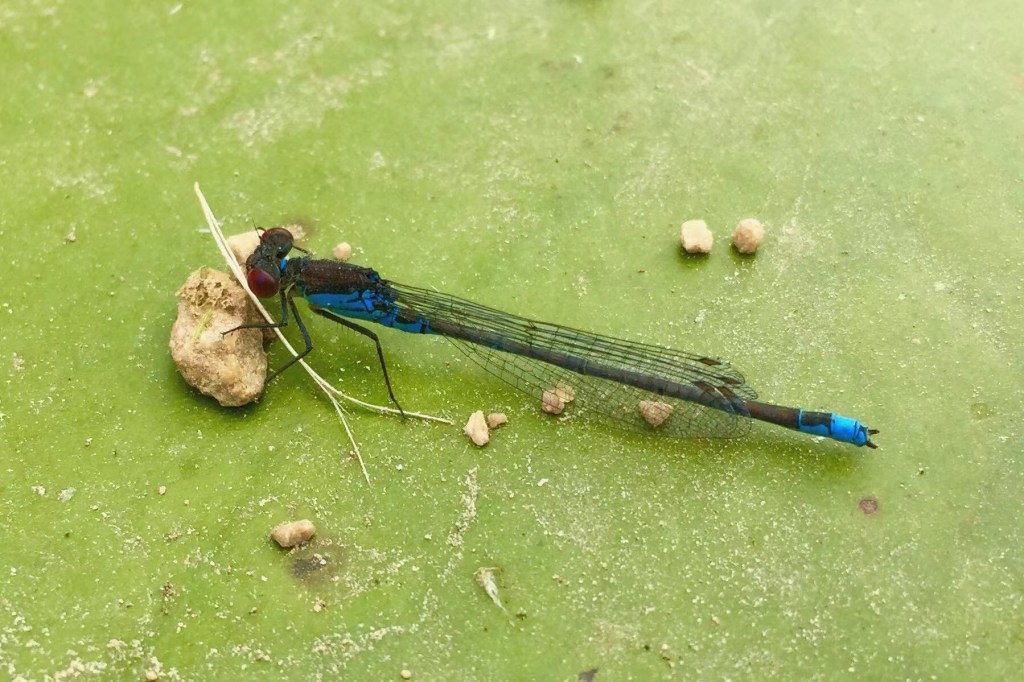
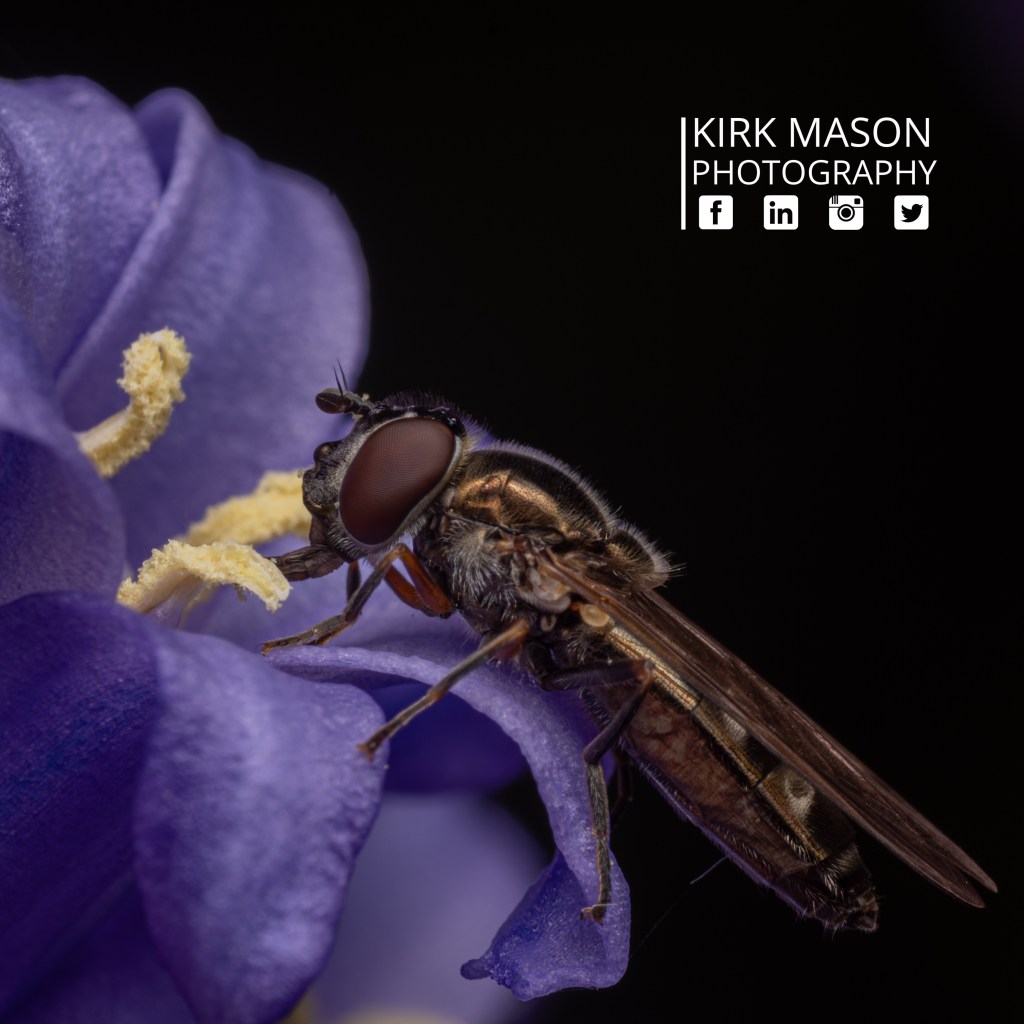
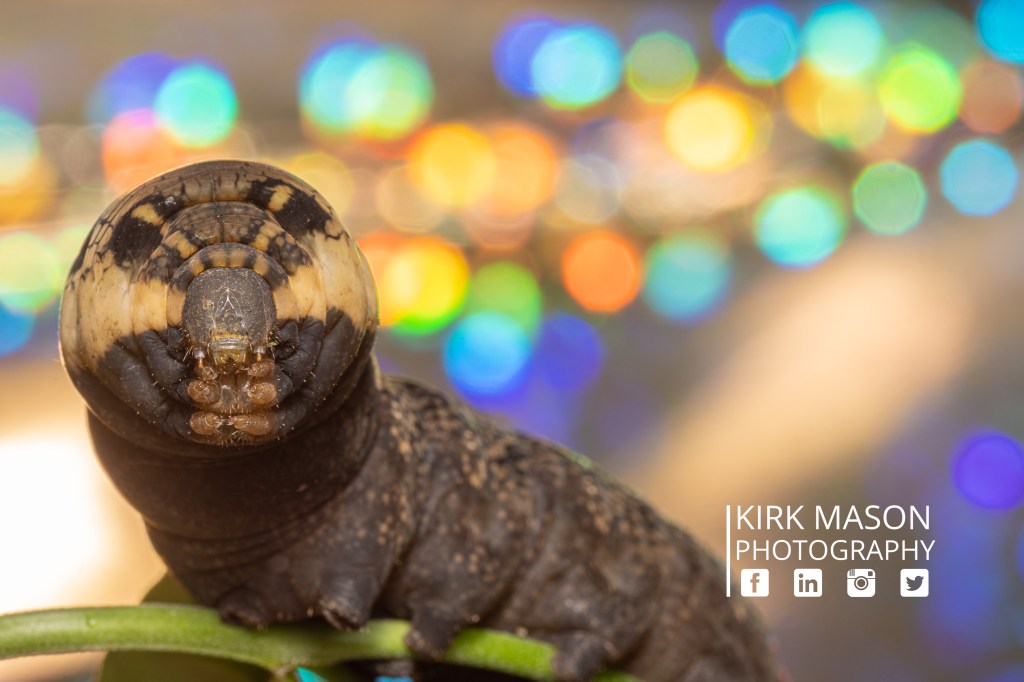
Leaving empty space in your photographs can make your subject really stand out. It leads the viewer’s eye to what you want them to focus on or show your subjects in their environment. You can use the rule of thirds to get a feel for how much empty space you should leave – ideally the subject should take one third of the space, and two thirds empty space. Though artistic rules are made to be broken, so the best thing to do is experiment and see what you like most! Check out the examples below to see what you prefer.
3. Background is everything!

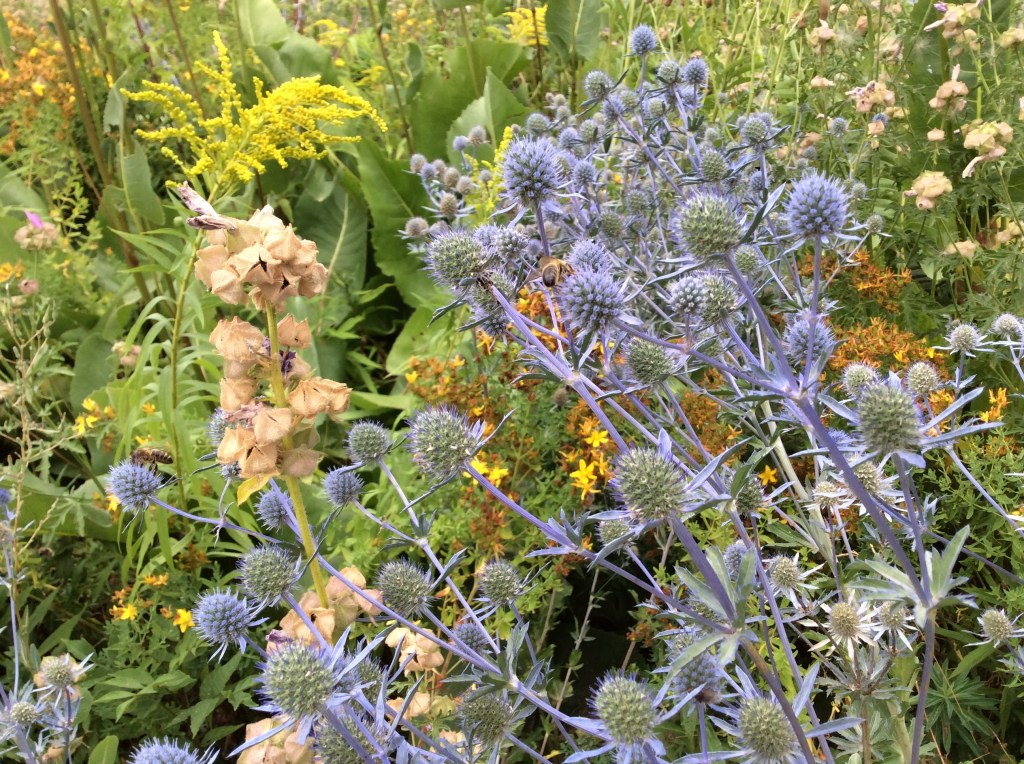
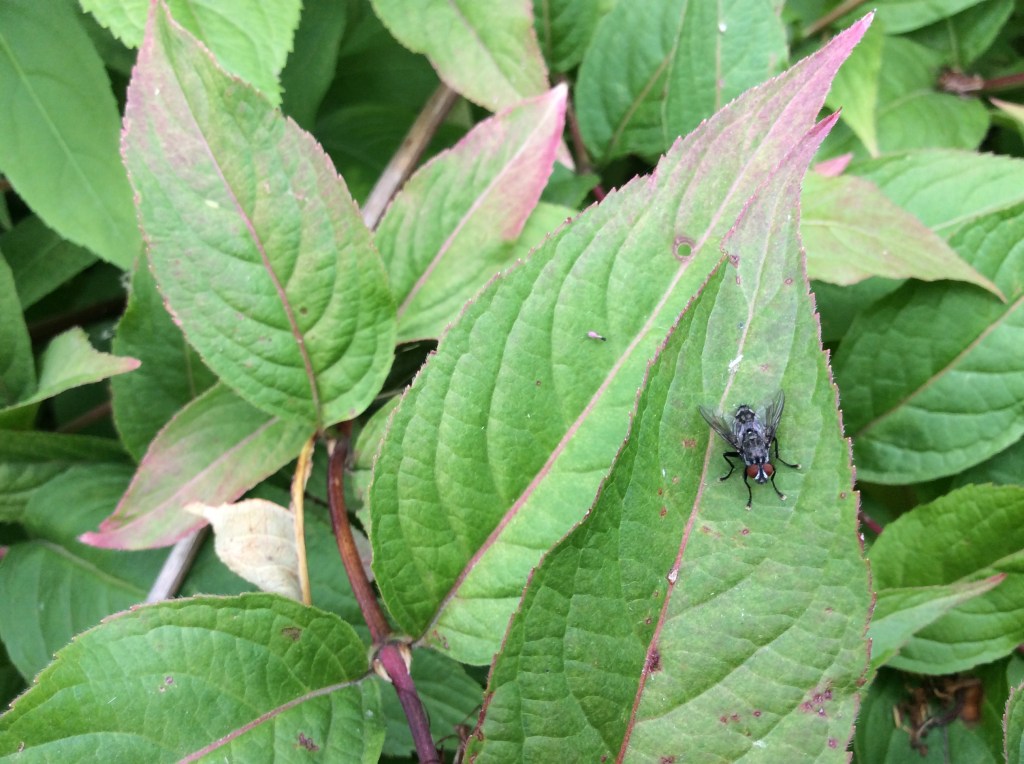
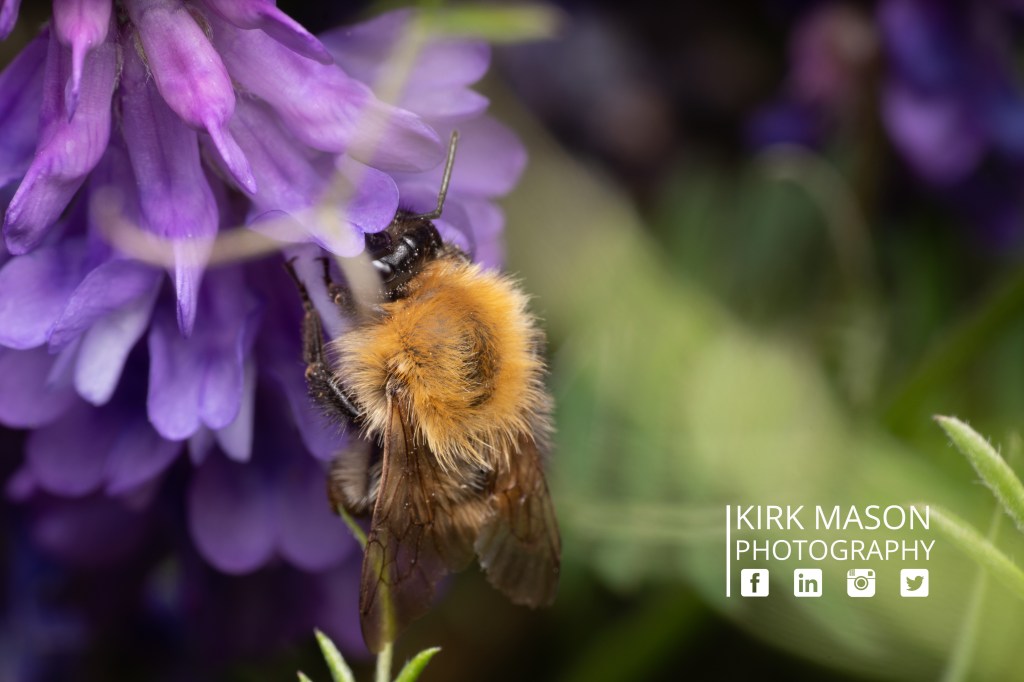
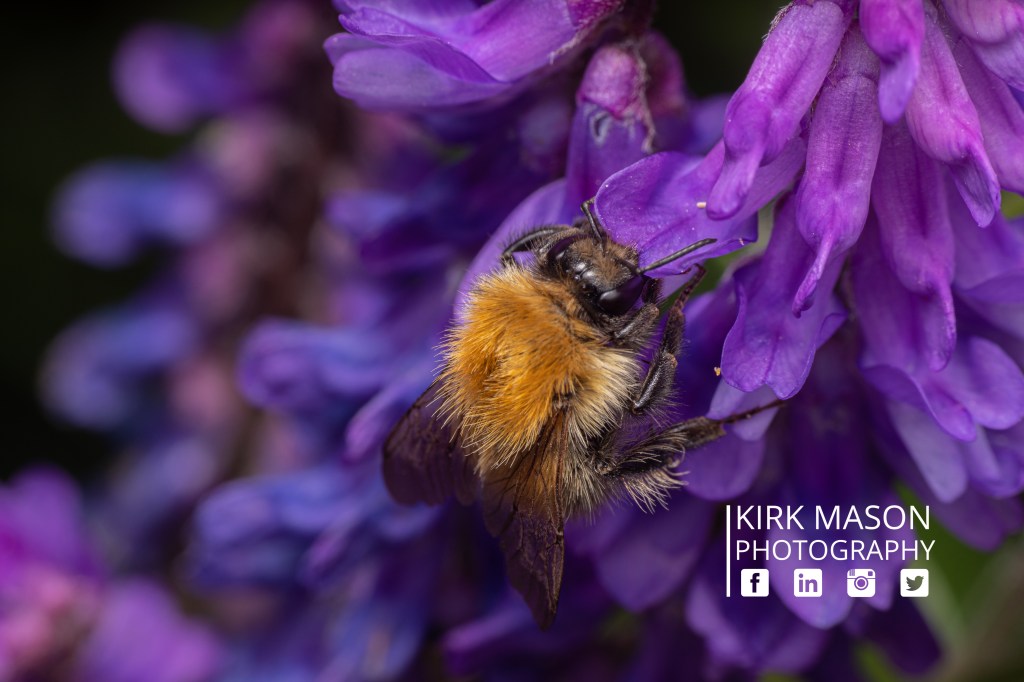
Leaving empty space can look great, but if the background is messy or doesn’t look nice to you, it can take away focus from your subject. Most insects and other invertebrates are tiny, so moving around the insect by a few centimetres can really change the look of a background and the feel of a photograph. See below for examples of a bad background made better by moving a few inches, which do you think looks better?
4. Focus on the things that you find interesting about the subjects.

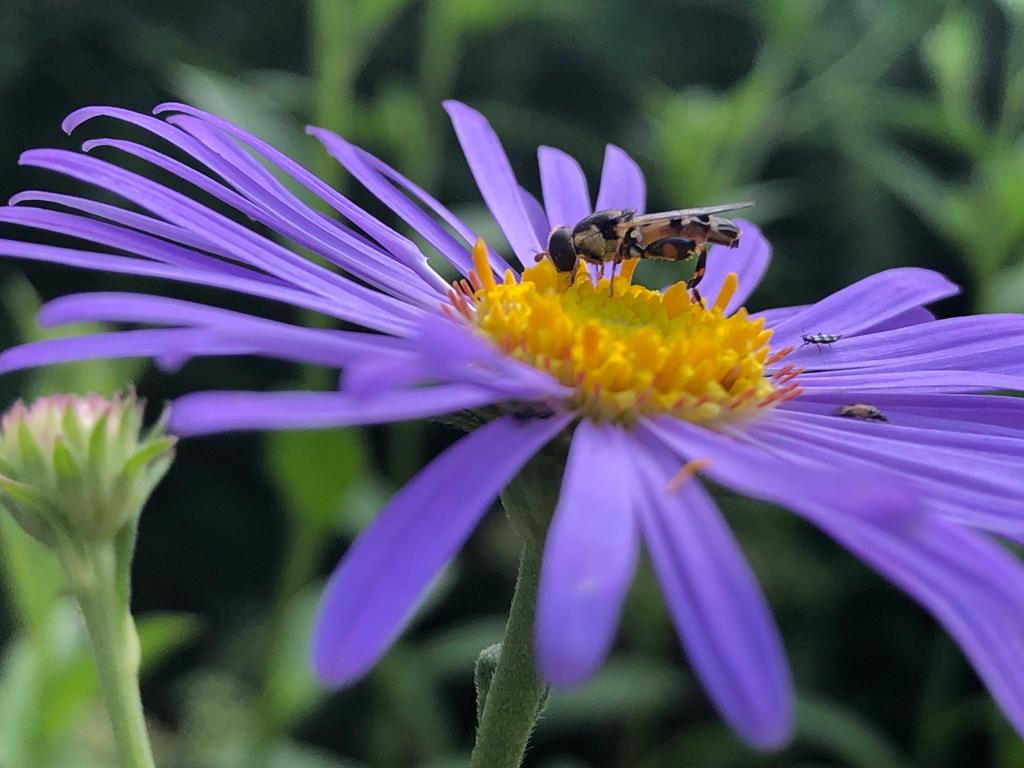
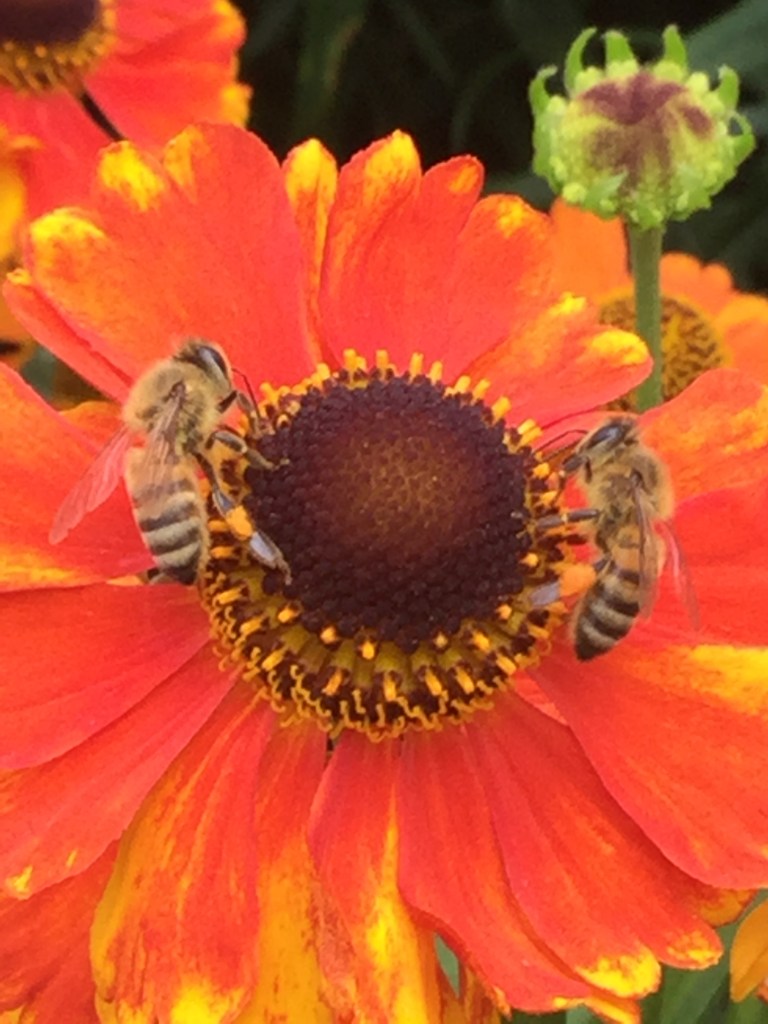
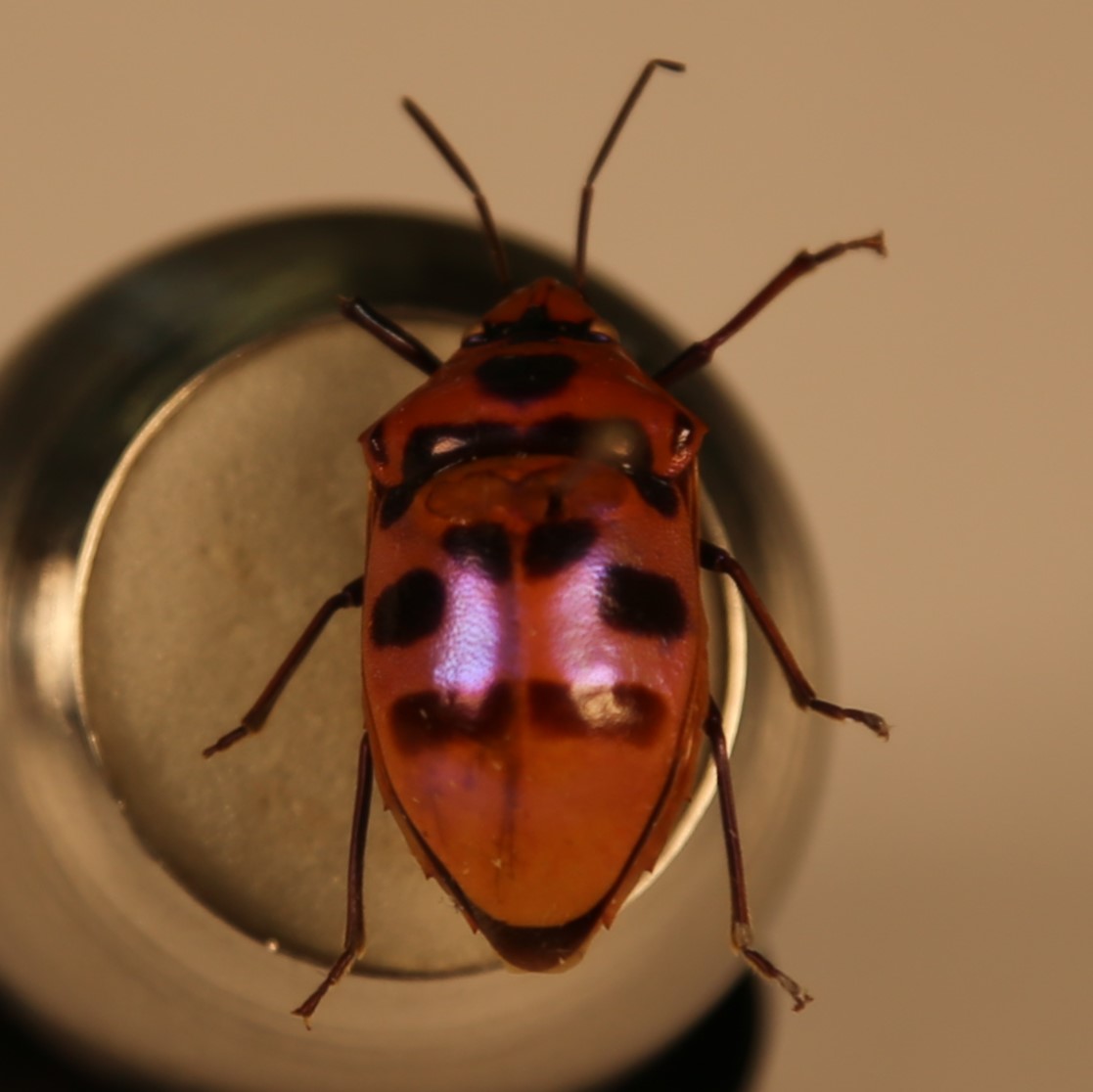
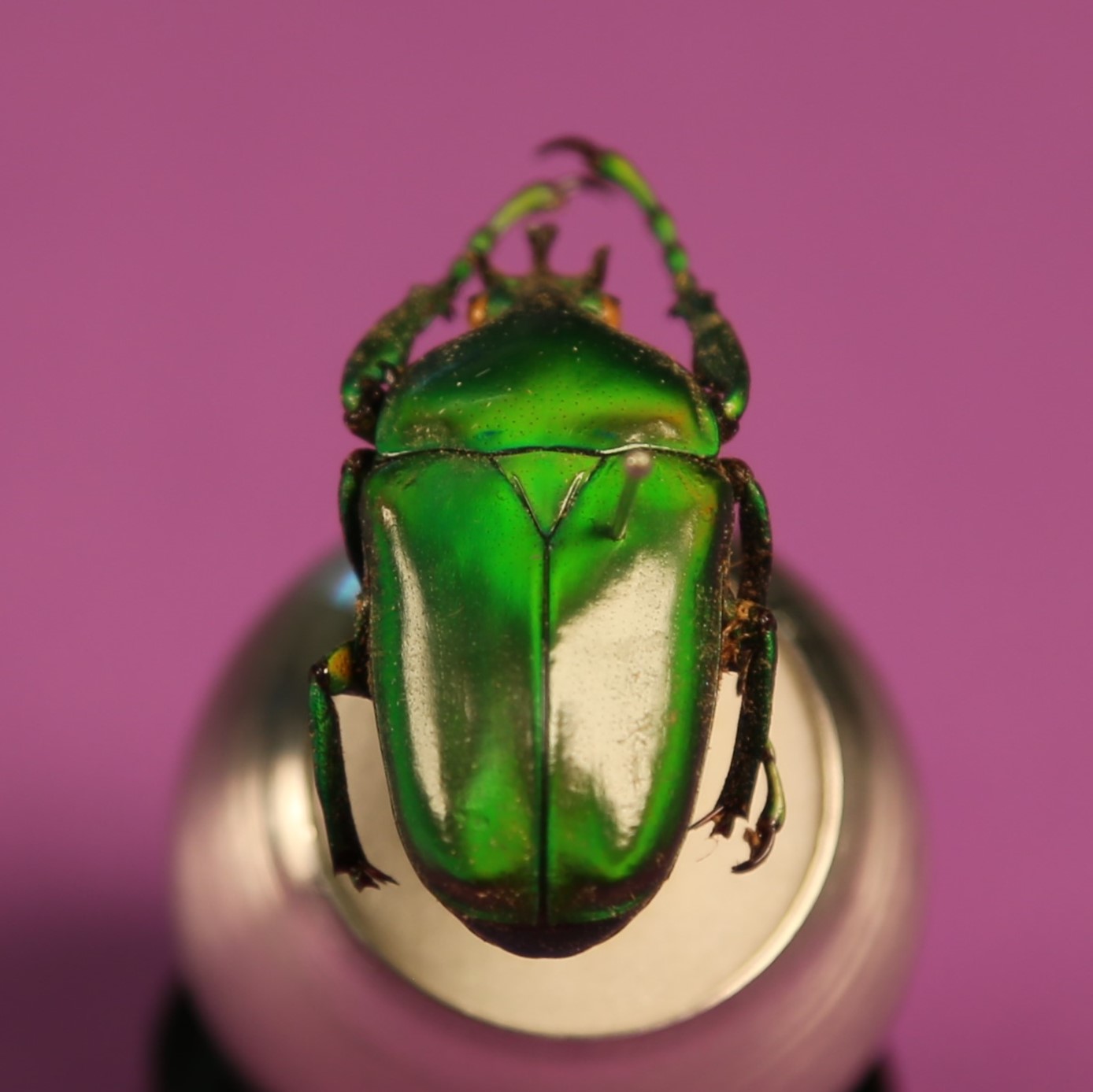
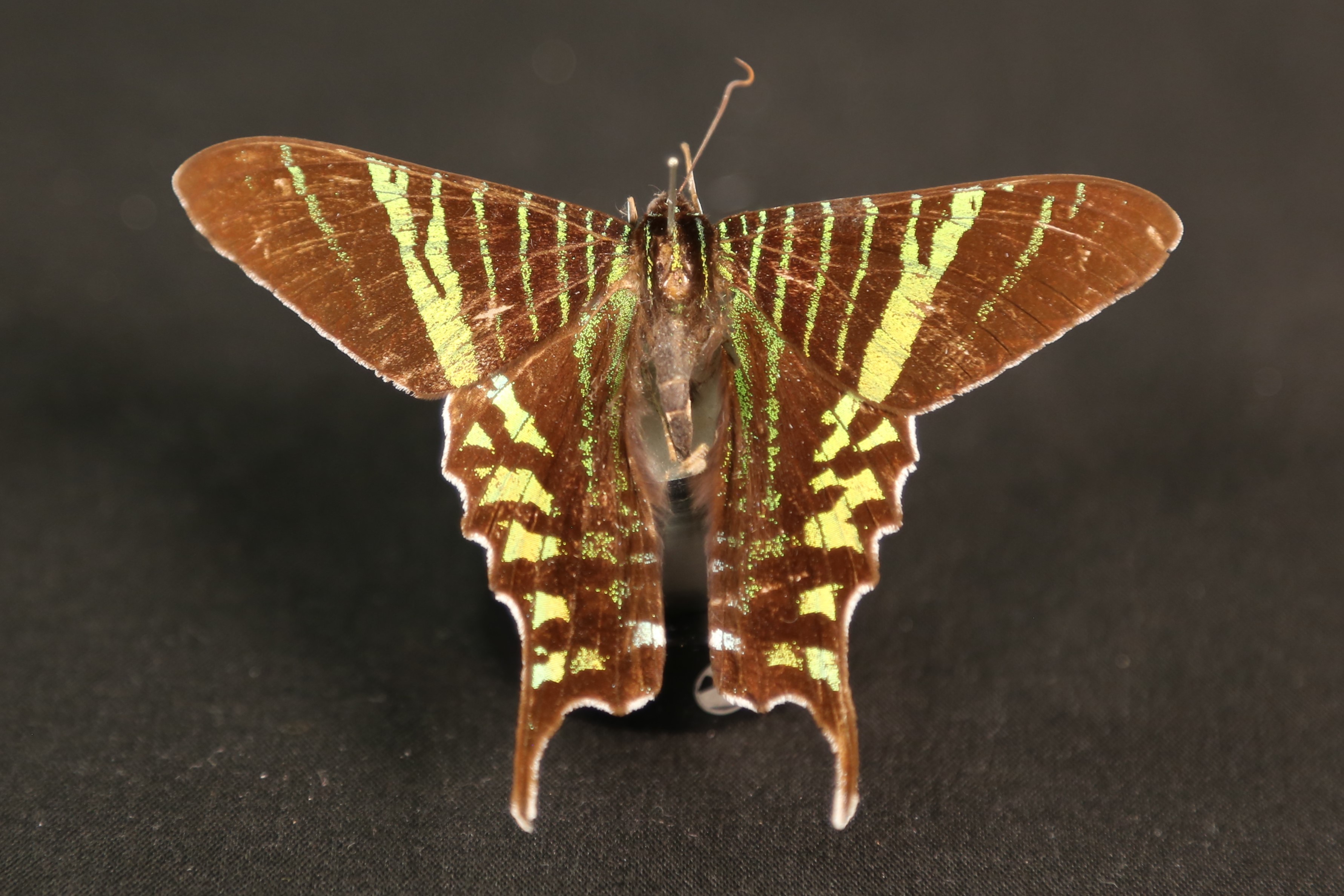
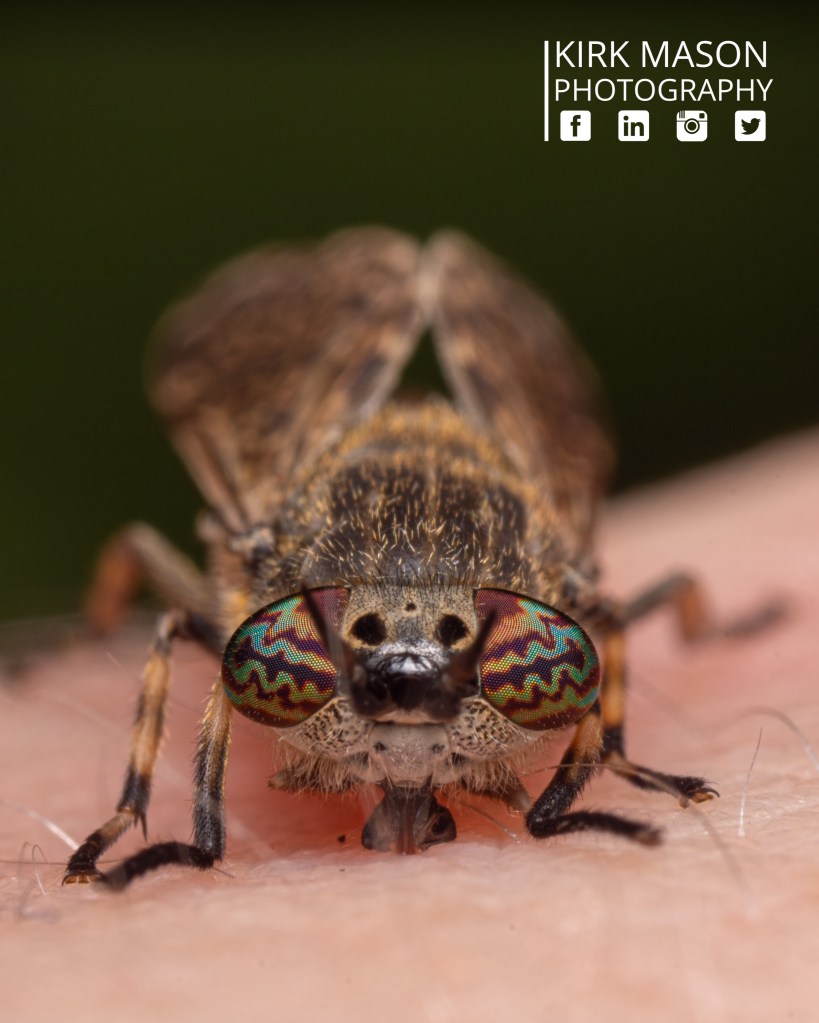
They say the eyes are the window to the soul, and whilst invertebrates do not show emotion through their eyes, they are often super interesting to look at! Typically, having the eyes in focus makes for great photographs, however invertebrates have lots of interesting features that are great to see up close! Wing patterns, antennae shapes and even feet are super diverse and make for great photographs – here are some examples of things I find interesting, do you?

5. Practice makes perfect!

Photography is like many things we do in life – the more we practise, the better we become! Luckily, going out finding insects and photographing them is great fun. This makes improving feel almost effortless and with thousands of insects to find in Britain, it’s hard to get bored! Wind and fast-moving insects make it hard to get good photographs every time, so the more you take, the higher chance you have of getting the shot you want. I still throw away way more photographs than I keep! I started my photography journey three years ago and have since had my photographs on BBC Springwatch, and in BBC Wildlife magazine and several newspapers. See below for my first photograph that I was happy with and compare it with what I take today. You all took fantastic photographs and if you keep doing it, by the time you are my age, you will have taken the world by storm!
Gallery

Inspired by these top tips? Have a look at our Photo Gallery and then have a go for yourself. As Kirk says, practice makes perfect! We’d love to see the results: you can email your best photo to us at hopelearning@oum.ox.ac.uk. Please make it clear if it’s OK for us to use it on this blog. We’ll also need permission from a parent or guardian to publish your name.

Photo Gallery

If you would like us to share one of your photos, please email it to hopelearning@oum.ox.ac.uk. If you want us to use your name in the image credit, we will need permission from your parent or guardian.

A Sensational Summer School!

One of the highlights of the HOPE year is the summer school which gives young people a unique insight into both the fascinating world of insects and the equally-intriguing behind-the-scenes work at the museum.

We had to make our summer school virtual in 2020, so we were really pleased to be able to run it at the Museum this year.  The wonderful group of enthusiastic young people who joined us spent a week in August exploring the British Insect Collection and the work of entomologists, developing their skills and doing their own research.

Insight into the Museum

Monday started with an introduction to the world of insects and the ‘Big 5’ British orders, a tour of the entomology department with Collections Manager Dr James Hogan, and some live insect handling. The young entomologists then put their identification skills to the test with some insect hunting with Collections Assistant Louis Lofthouse in the University Parks.

Fantastic Photography

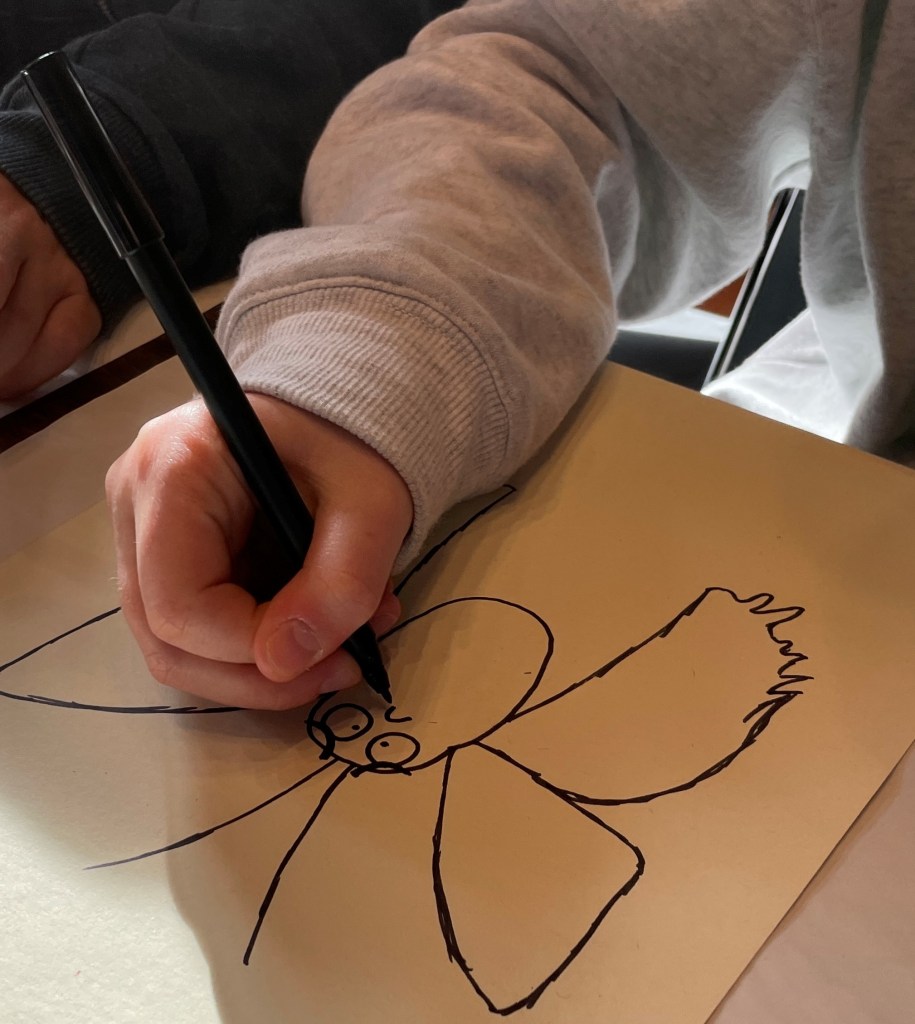
On Tuesday we were joined by wildlife photographer Kirk Mason who showed us techniques to develop our insect photography skills at the Botanic Gardens. The fabulous Merton borders and a sunny day meant there was no shortage of subjects! Look out for a future post showcasing the fantastic images the young people took.

Insect Investigations

On Wednesday and Thursday the summer school moved to Harcourt Arboretum where the group learned about practical insect collection techniques with Collections Assistant Ryan Mitchell. They then devised and carried out their own investigations over the two days, joined by Senior Collections Manager Darren Mann on Thursday.  We also set up a light trap on Wednesday afternoon, opening it the next morning to reveal the selection of moths that had settled inside, including the Black Arches, Lymantria monacha, pictured above.
Showcase sharing

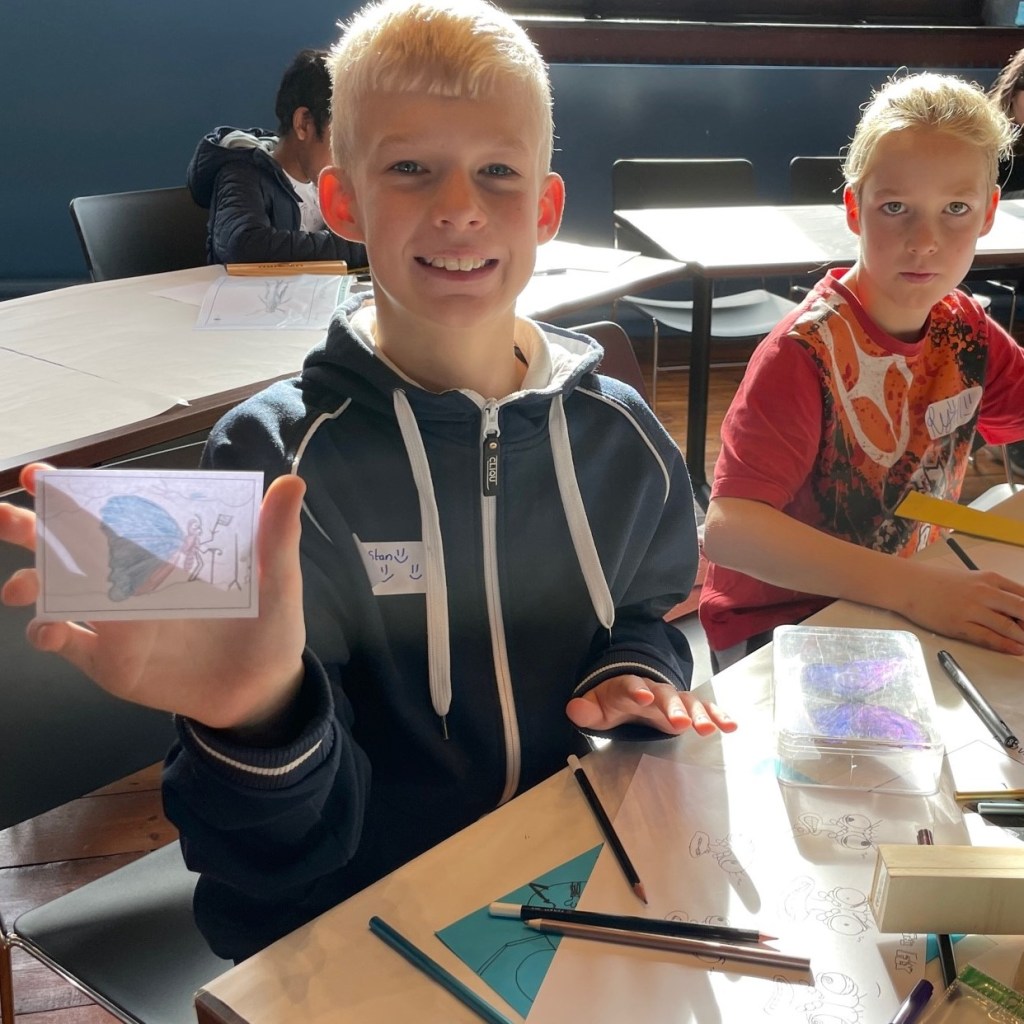
On final day of the summer school, Steven Williams from the HOPE team led the group through pinning preserved insect specimens for themselves. We finished with a celebratory showcase event where our young entomology team shared all that they had done over the week with families and friends.

And there’s more…

Some of our summer school participants were inspired to write their own articles for the blog. Here is Ben’s post, Raising Moths, and we will be publishing more soon. If you’re feeling inspired, why not get in touch using the Contact Us page? Keep an eye on the blog for news of future events at the Museum from the HOPE for the Future Team.

MOVING A MILLION!

A big part of the HOPE for the Future project is re-curating more than one million British insects.

Tom Greenway, Junior HOPE Collections Assistant, explains how he and the team are making sure the insects that make up the unique HOPE collection will be preserved for future generations.

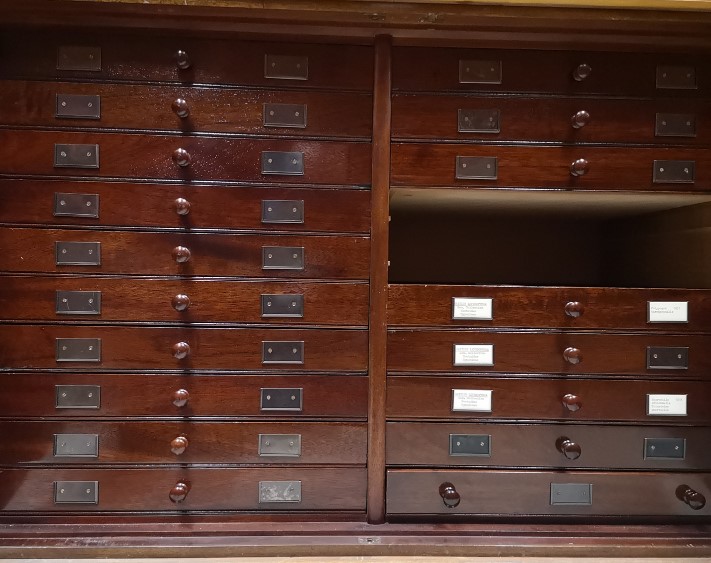
Moving a million insects is a big job!  The insects are currently kept in wooden trays inside cabinets in the Westwood Room, upstairs at the museum.  We have to move every single insect specimen into new up-to-date storage to preserve the collection for the future. At the moment, we are moving the insects in cabinet 75 which contains members of the order Coleoptera (beetles).  There are 151 cabinets in total, each with 20 drawers of insects so although we have already moved around 253,000 insects, there is still a long way to go! 

Two of the old drawers done… only another 3,000 to go!

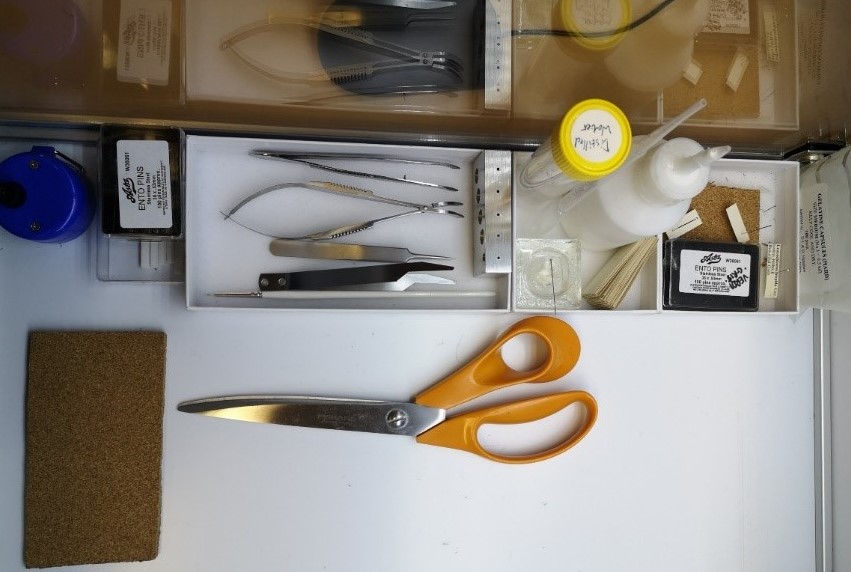
These are some of the tools of the trade!

  • Tweezers
  • Forceps
  • Scissors
  • Entomology pins
  • Glue

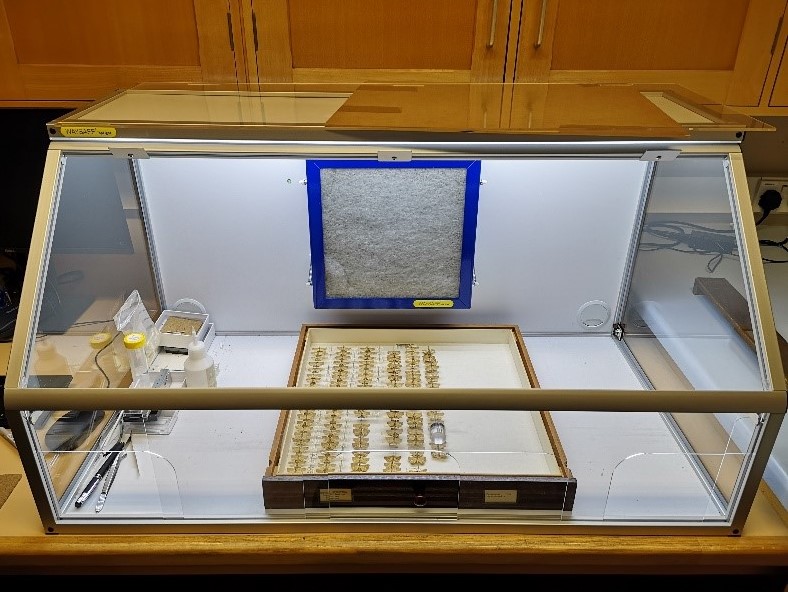
When working on a drawer, we put it inside a fume cabinet like this one to protect us from a chemical called naphthalene. This was used in the past to help stop specimens being damaged by pests, such as moths, which see the collection as a huge banquet!

A fume cabinet provides protecton from napthalene

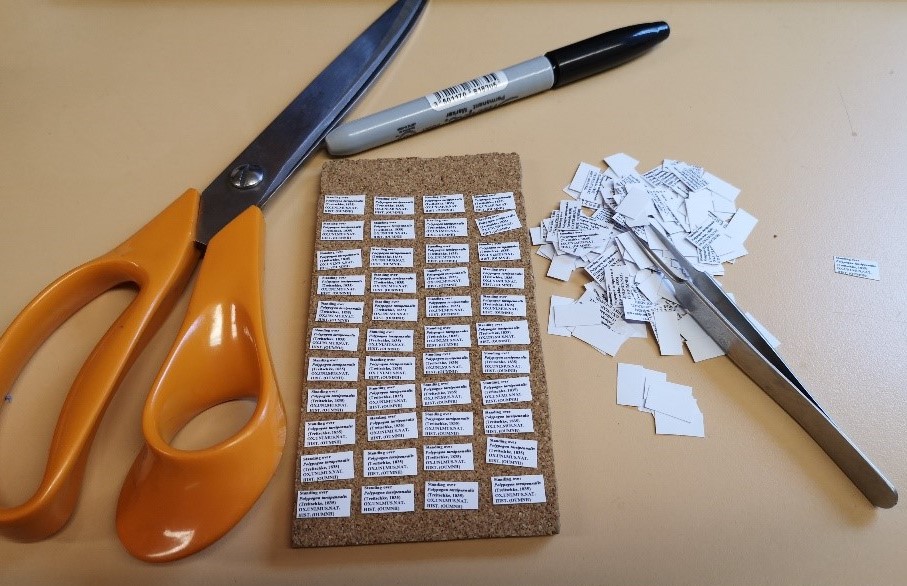
Each specimen we move needs a new label containing vital information about the specimen:

  • binominal name (Genus / species);
  • the name of the person who discovered the species;
  • the year it was first classified; and
  • a location code.
Watch this video to see how Tom moves the insects

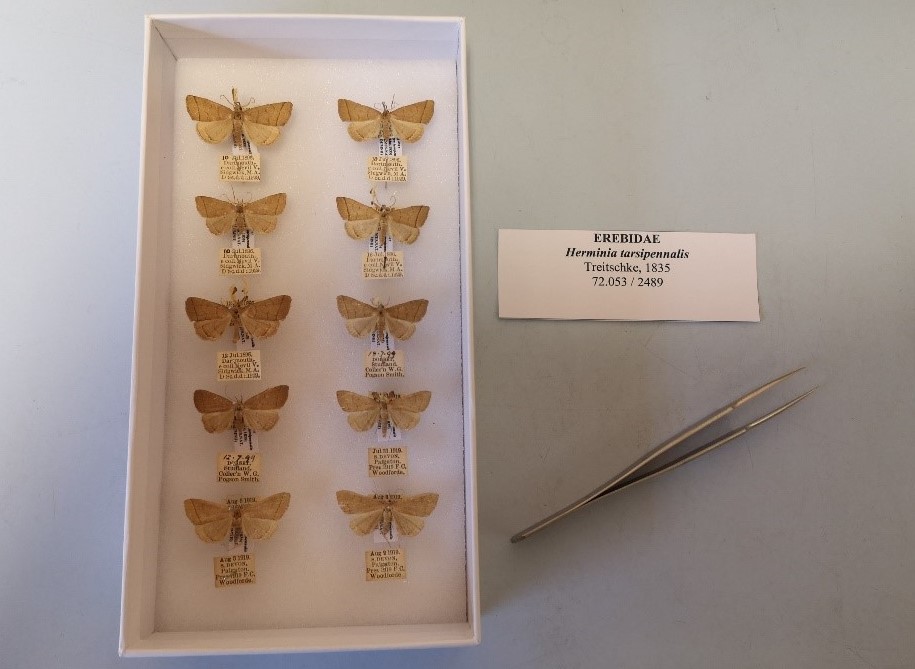
Once a tray is full, we add a data label containing the specimens’ information, along with a checklist number, which in this case relates to the current checklist of classified Lepidoptera (the order that includes butterflies and moths). 

A finished tray

We then add each finished tray to one of the new pest-proof drawers. The completed drawers are then ready to go to their new storage space where it will be accessible for teaching and research.

A completed drawer – looking good!