This post was first written in June 2021. The summer school is now full and booking has closed. You can find lots of insect activities on the Museum of Natural History webpages for our 2020 virtual Six Legs of Summer summer school.
We are very excited to announce that we will be running an Insect Investigators summer school at the Museum of Natural History during the week 2 – 6 August 2021.
The summer school will be for 10-14 year olds and is free of charge, thanks to generous funding from the National Lottery Heritage Fund. Those taking part will gain a behind the scenes insight into the British Insect Collection and the work of museum, photograph insects at the Botanic Gardens with a wildlife photographer, learn how entomologists collect and study insects with practical sessions at Harcourt Arboretum, and carry out their own insect investigation. Perhaps you’ll even have an insect added to the collection!
Past summer school participants have added to the British Insect Collection
If you would like to know more, or want to book a place, please get in touch using the Contact Us page, or email Rodger, Susie and Kate at hopelearning@oum.ox.ac.uk. We’re looking forward to hearing from you!
Here at Crunchy on the Outside we love insects and we also love cartoons. What could be better, then, than cartoon insects?!
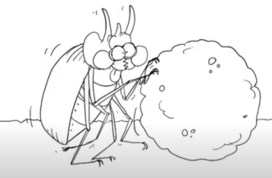
In this video Chris Jarvis shows us how to draw a mighty dung beetle called the Minotaur Beetle (Typhaeus typhoeus) complete with its own ball of dung!
Minotaur beetles grow to about 2cm in length and can be seen between September and July. They live in grassland and heathland with sandy soils. They feed on rabbit droppings and other dung (yum!) which they roll into balls and bury them in nests which can be over a metre deep underground. Male beetles may defend these nests using their long horns. The females lay their eggs in these nests. The eggs then hatch and the larvae feed on the tasty dung!
Watch the video carefully and you will see that Chris has included many of the key features of this fascinating beetle. He has deliberately left one insect feature out of his drawing. Can you spot what is missing? Here’s a clue: they help insects sense their environment.
Let us know what you think is missing by commenting below, or sending us a message using the Contact Us page. We’d also love to see you own cartoon insects!
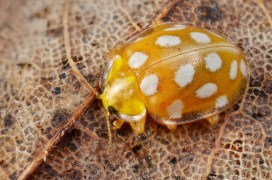
Professor Helen Roy, President of the Royal Entomological Society, tells us about a group of insects that interest her most: ladybirds. Also known as ladybugs, ladybirds are in fact beetles. In this video, Helen shares three of her favourites.
Helen Roy shares her favourite ladybirds
Which ladybirds have you spotted? Can you find any of Helen’s favourites? Do you have a favourite of your own? Let us know in the comments section below, or send us a message via the Contact Us page.
Ladybird images credit: Flickr / Gilles San Martin CC BY-SA 2.0
Being near the bottom of the food chain isn’t ideal. Insects have many different predators including lots from the insect world itself and that’s before you’ve even started to take account of all the birds, fish, reptiles, amphibians and mammals that consider insects an important part of their diet. So how do insects dodge death and defend themselves against predators? Read on to find out about some cunning techniques and surprising solutions!
Chemical Warfare
Did you know that some species of ladybird have clever, and some rather disgusting, ways of deterring predators? Not only do many species display the bright warning colours of red or yellow combined with black, but some can exude a stinky yellow liquid through their knees when in danger. This is called reflex bleeding because the liquid is made from their blood. You may have noticed it if you have picked up a ladybird and seen yellow spots of liquid on your hand.
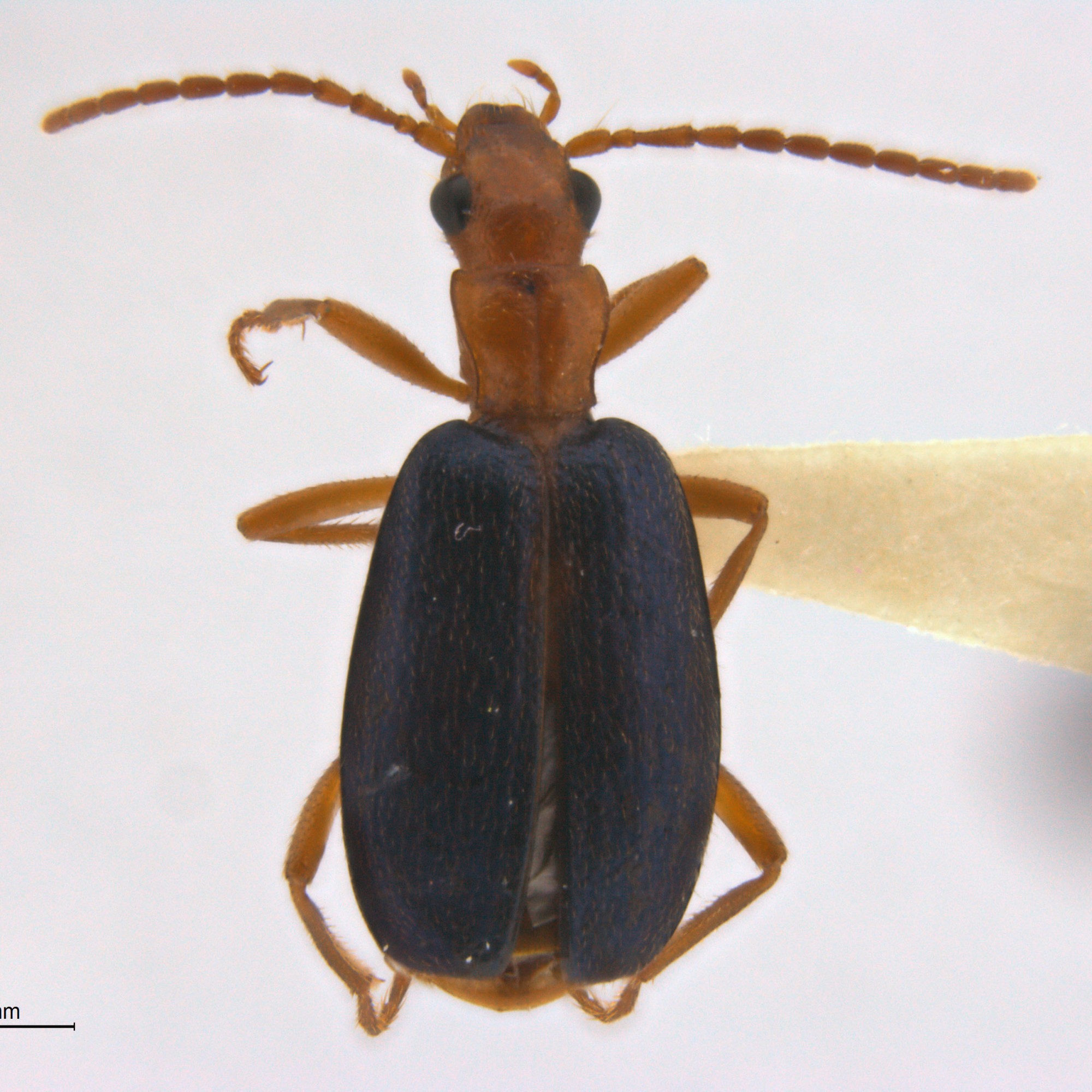
Other insects can squirt noxious fluids into the air when they feel threatened. Wood Ants, for example, spray formic acid. The incredible Bombardier Beetle (seen here on the right) can combine two different liquids stored in separate chambers in its abdomen to produce a boiling hot chemical that literally explodes from the beetle’s rear. I wouldn’t like to be on the receiving end of that!
Cloaks of Invisibility
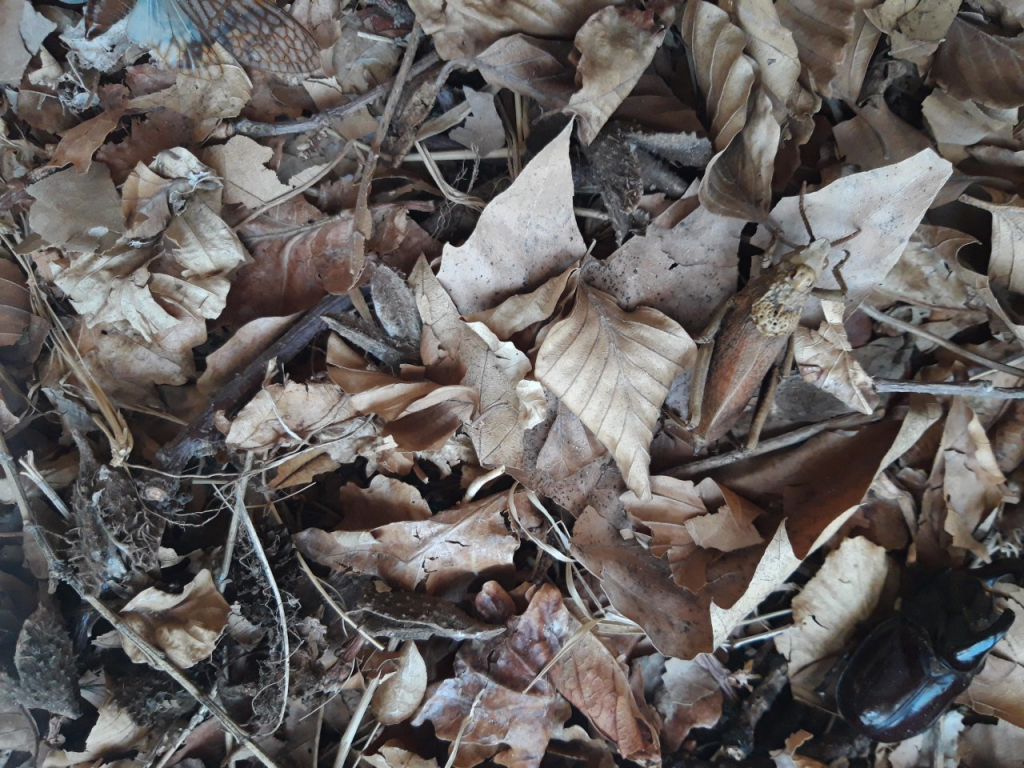
For many insects, protection from predators is all about not being seen. There are some amazing masters of disguise whose camouflage is so good we have trouble spotting them. For example, many moths are almost invisible when resting in their preferred habitat such as on the bark of trees.
How many insects can you spot?
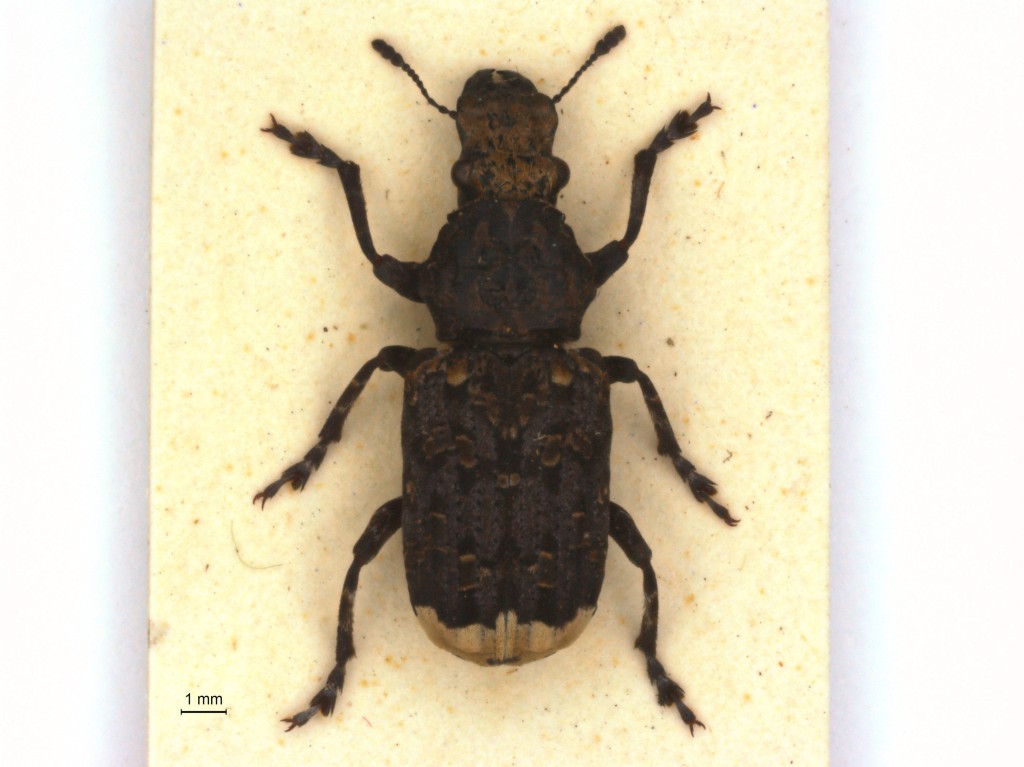
Another form of camouflage is to disguise yourself as an object of no importance, such as a twig. When threatened, this beetle (Platyrhinous resinosis) rolls over, draws in its legs, lies very still and looks just like a bird poo!
Platyrhinous resinosis
Masters of Disguise
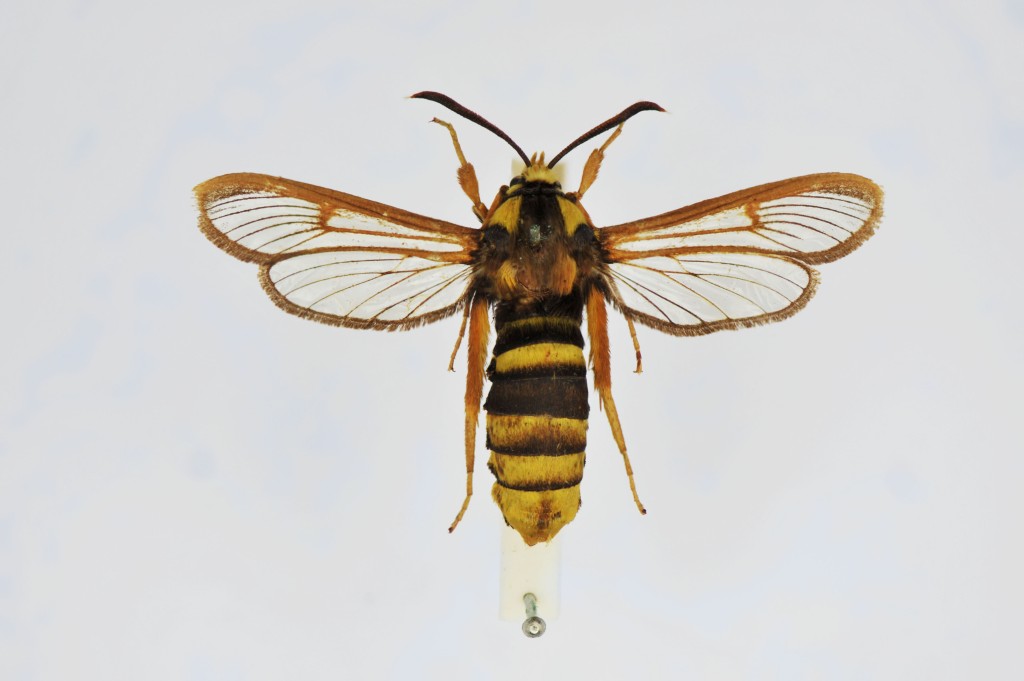
If you can’t blend in with your background, you could always be a master of mimicry and pretend to be something really scary! This Hornet Clearwing is not actually a hornet with a powerful sting. It’s a moth, but by mimicking the colours and form of the hornet it will manage to put off many a hungry bird!
Serious Weaponry
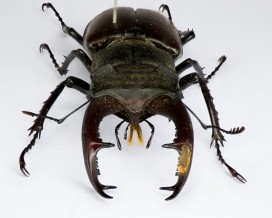
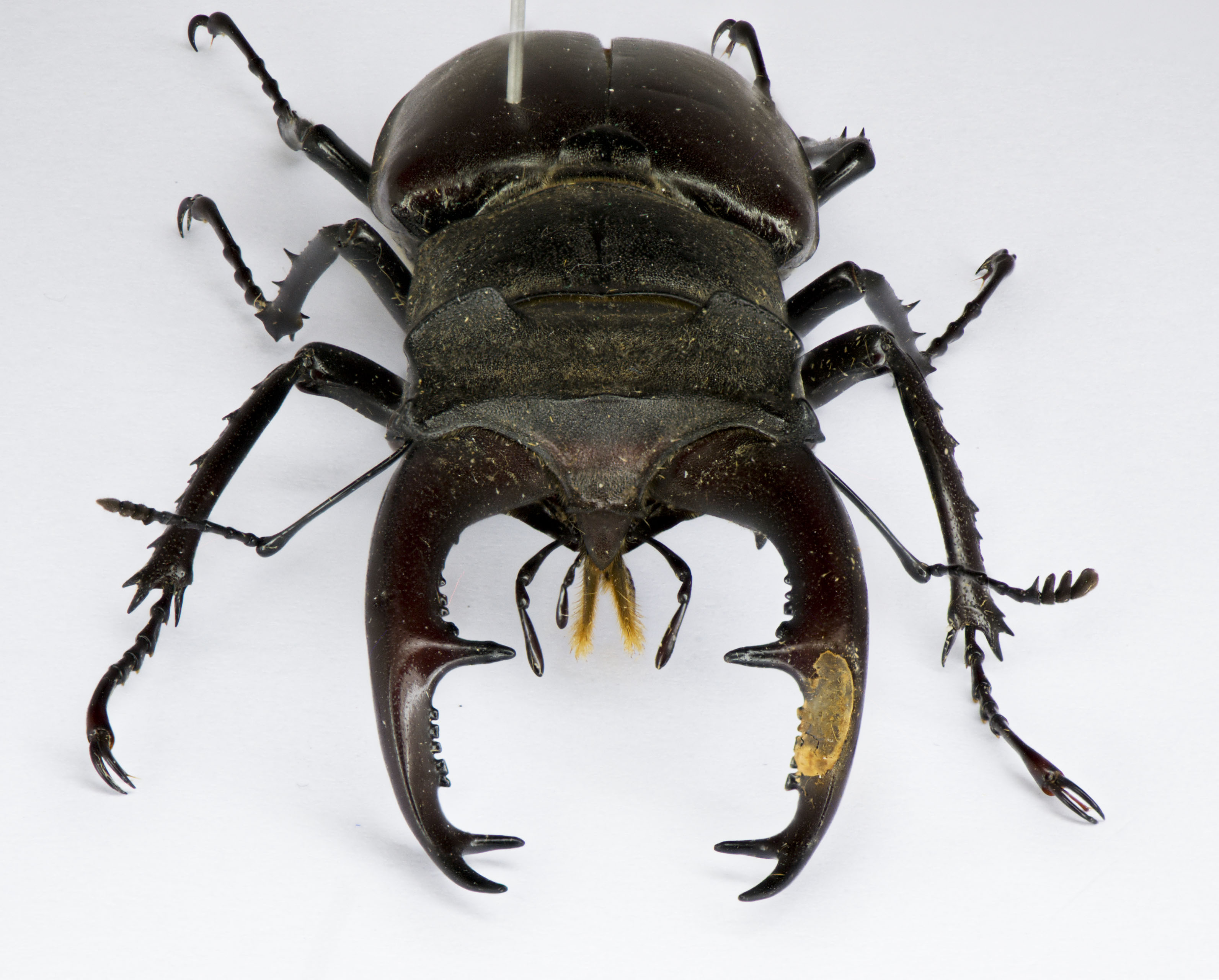
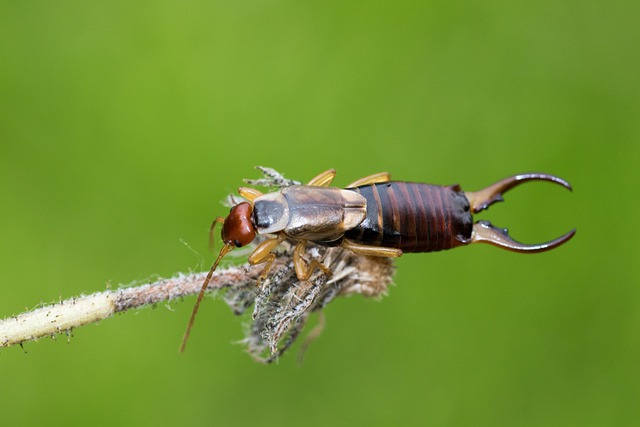
Some insects have formidable weapons that may serve to fend off rivals, help catch prey and deter predators. Look at the ferocious jaws of the Stag Beetle or the sharp pincers, or forceps, at the rear end of the earwig. They might make you think twice before tackling these guys! In fact, the jaws of the Stag Beetle are all show! They are actually quite weak and may even prevent Stag Beetles from feeding in their adult form. The fact that they exist at all just shows how effective they are at warding off predators.
Let us know if you have a favourite story about how insects dodge death and survive in a world full of predators.
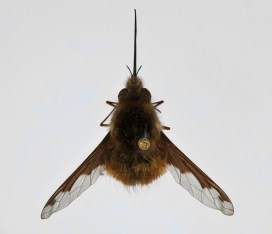
The Dark edged bee-fly, Bombylius major, is one of the most conspicuous insects to emerge in early spring because of it’s large size and ability to hover in mid air. It is the most common species of Bee-fly in the UK and can be seen in woodland, heathlands, grasslands and gardens from February to June. It has several other common names known as the ‘dark bordered beefly’ or ‘large beefly’. They get these names from their large size and from the dark wavy leading edge of their wings.
Dark edged bee-fly, Bobylius major. Image credit – Flickr / Jean-Marie Hamon, CC BY-SA 3.0
So, is it a bee or a fly? The single pair of wings tells us that this is a fly. A bee would have two pairs of wings. Why would a fly evolve to look like a bee? We think this is to trick predators into thinking it is more dangerous than it is. It certainly works with humans: many people think that the beefly has a large ‘sting’ at the front. In fact, this is just part the fly’s mouth and is quite harmless. The proboscis is adapted to drink the nectar from a wide variety of early-flowering plants. These include primrose, bugle, blackthorn, and cherry blossom. Because they transfer pollen from flower to flower, they are important pollinators in the spring.
Bee-fly feeding on nectar. You can see pollen grains on its legs and body. Image credit – Flickr / Robert Ault, CC BY-SA 2.0
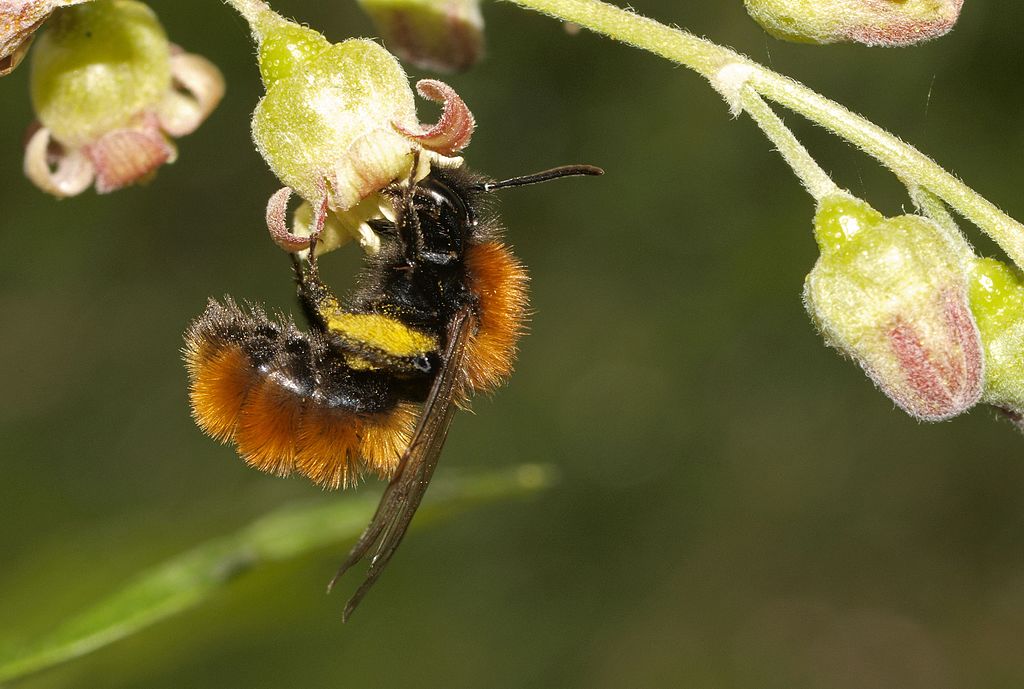
Bee-flies may be harmless to humans but their life cycle is a bit grisly! Females lay their eggs in the underground nests of solitary mining bee nests such as Clarke’s Mining Bee (Andrena clarkella), the Early mining bee (Andrena haemarrohoa), and the Tawny mining bee (Andrena fulva). They collect sand or dust at the end of their abdomens. This sticks to their eggs, making them heavier. It may also help camouflage them. They then flick their eggs into the nest burrows of the bees. Once the eggs hatch, the bee-fly larvae crawl further down the burrows and wait for the bee larvae to grow until they are near full size. The bee-fly larvae then begin to feed on the mining bee larvae, drinking their body fluids and gradually eating them alive. When they have finished feeding, the bee-fly larvae then pupate and overwinter inside the burrow. The next generation of adult bee-flies then emerges from the burrows the following spring.
The Twany mining bee, Andrena fulva. Bee-fly larvae feed on its larvae. Image credit – Flickr / Line Sabroe, CC BY 2.0
You might think that means that bee-flies are bad for other bee species, but this is relationship evolved a long time ago and is part of the complex interaction between living things that exists in all ecosystems. Bee flies do feed on individual mining bees, but there is no evidence that they are harmful to bee populations.
If you spot a bee-fly this spring or summer, you can add your sighting to the national database by completing a simple online form on the Bee-fly Watch website. Why not let us know too? You could even take a picture or draw a picture. Who will spot the first bee-fly of 2021?
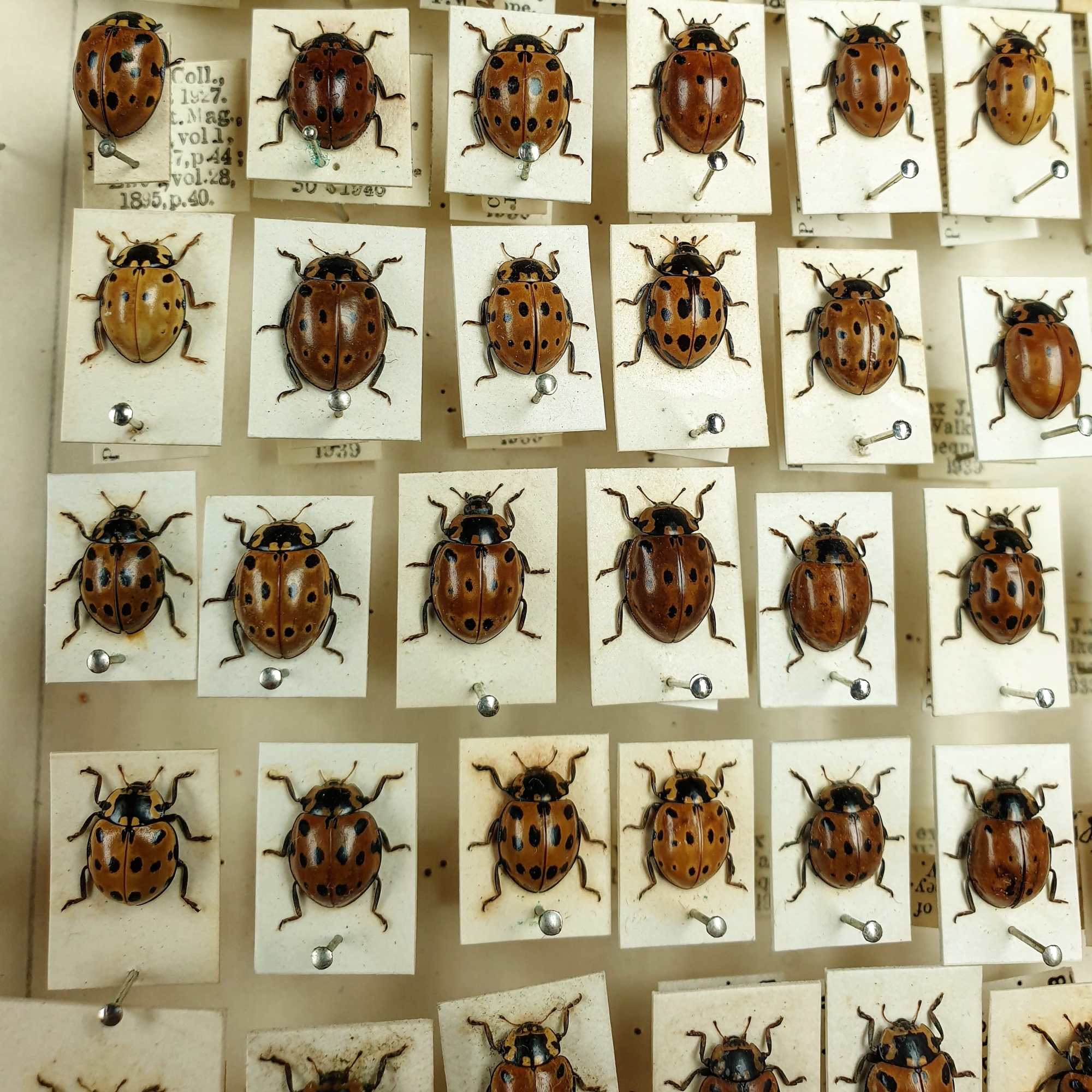
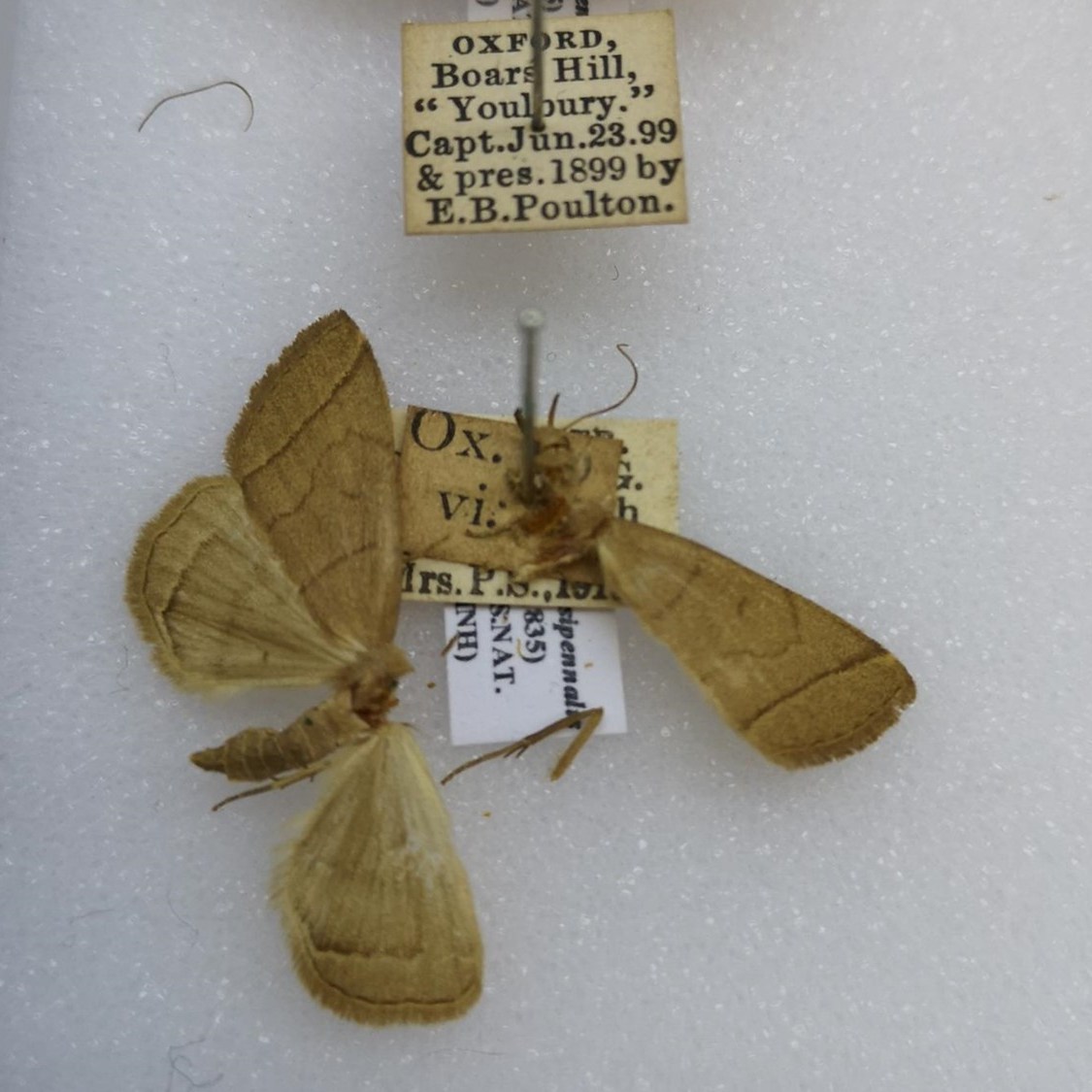
The HOPE British insect collection includes specimens from the early 19th century to the present day. This means that some are very old and delicate. Of course, all of the insects are very delicate and easily damaged. Just think about the width of the legs or antennae of some of the insects you have seen in your garden! Not much more than a hair’s breadth! It isn’t surprising then that some of the specimens are showing their age and some are damaged.
In this post, learn how Tom Greenway, Junior HOPE Collections Assistant, repairs the damage and what happens to the bits that can’t be stuck back on!
“It’s always sad to see a damaged specimen but with a little bit of patience, and a mix of PVA glue and distilled water, we can make repairs to get them looking like new again!”
Tom Greenway, Junior HOPE Collections Assistant
It isn’t unusual for the abdomen to fall off, as you can see here! Watch this video to see how we repair specimens.
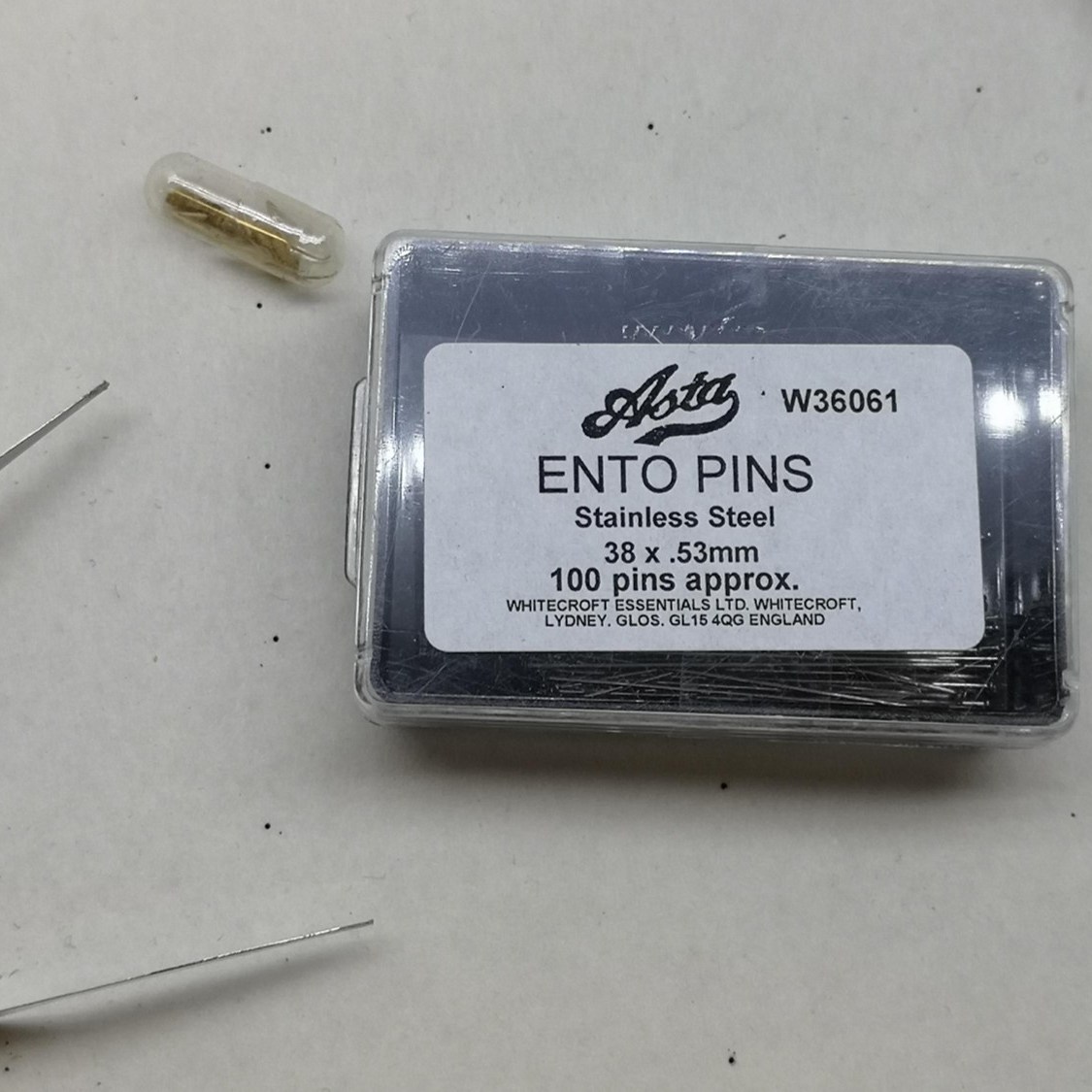
Sometimes specimens will build up verdigris; a bluish-green crust made by a chemical reaction between the old pin, the insect and oxygen. We use a small brush to lightly remove it. Pins sometimes become rusty or damaged need to be replaced. For that job we use special stainless steel entomology pins.
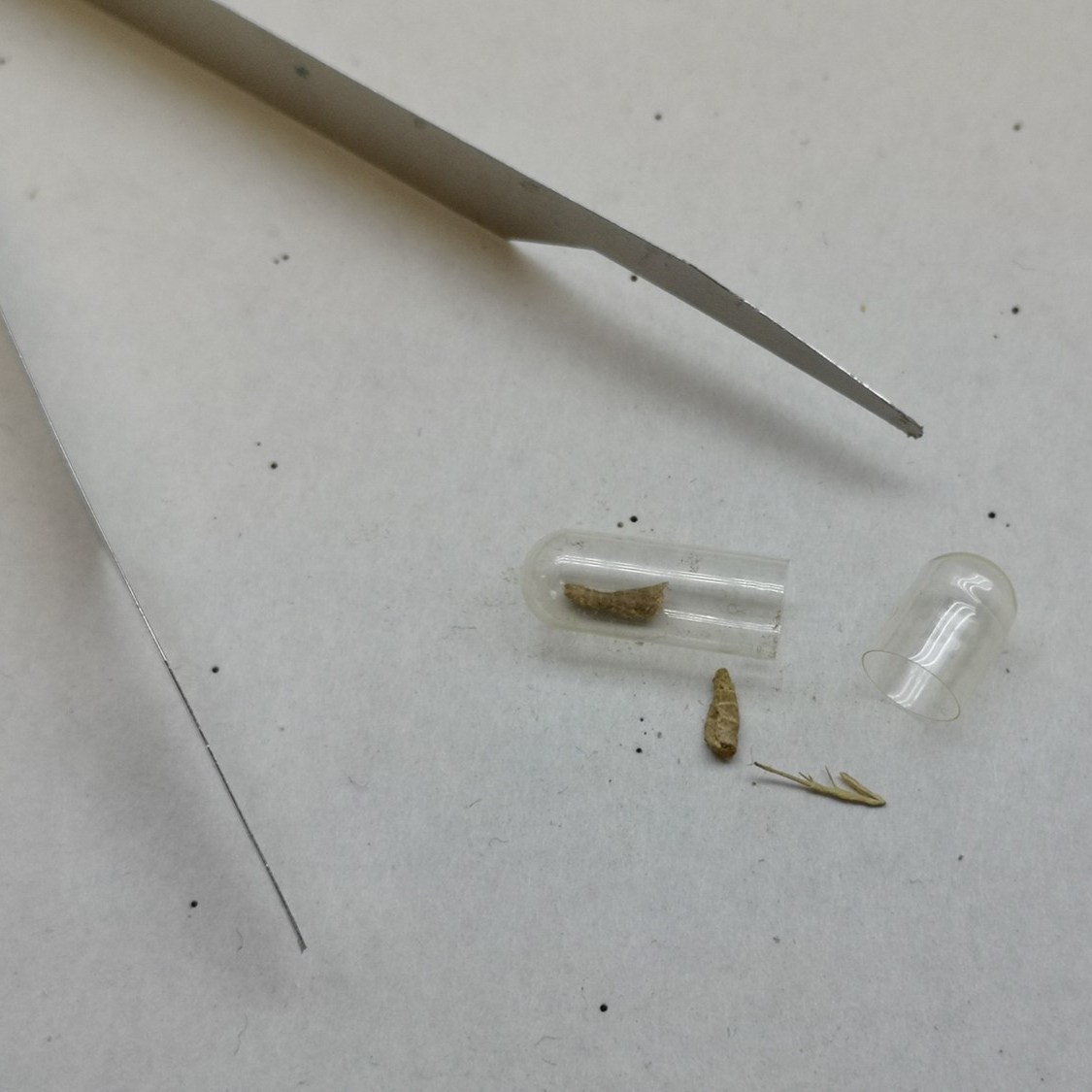
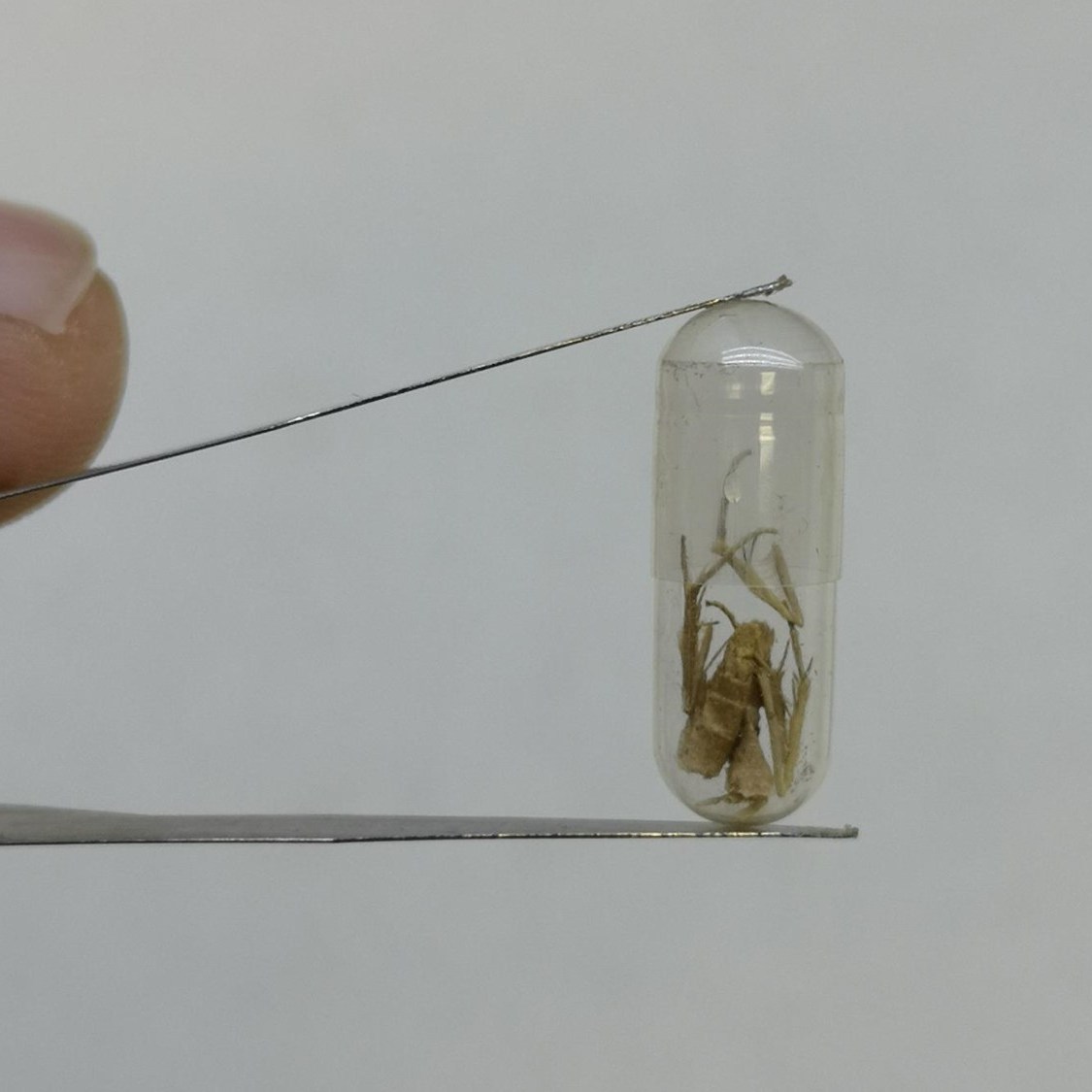
Any parts that may have fallen off, but can’t be assigned to a particular specimen, are collected and stored in a gelatin capsule. This can be useful for any researchers looking to analyse DNA. The capsule gets pinned at the end of the specimen drawer so that it is kept with the correct species.









 Crunchy on the outside